

Why Is Intelligent Weighing Equipment Revolutionizing Industrial Accuracy?
2025-11-26
Intelligent Weighing Equipment has become a cornerstone in modern industrial and commercial applications, providing unparalleled accuracy, efficiency, and integration capabilities. These advanced systems combine traditional weighing technology with smart sensors, data analytics, and automation, ensuring that businesses can monitor, control, and optimize their operations with minimal human error. The core purpose of this article is to explore the technology, advantages, functionality, and future trends of Intelligent Weighing Equipment, providing a thorough understanding of why these solutions are increasingly vital for industries ranging from logistics and manufacturing to food processing and pharmaceuticals.
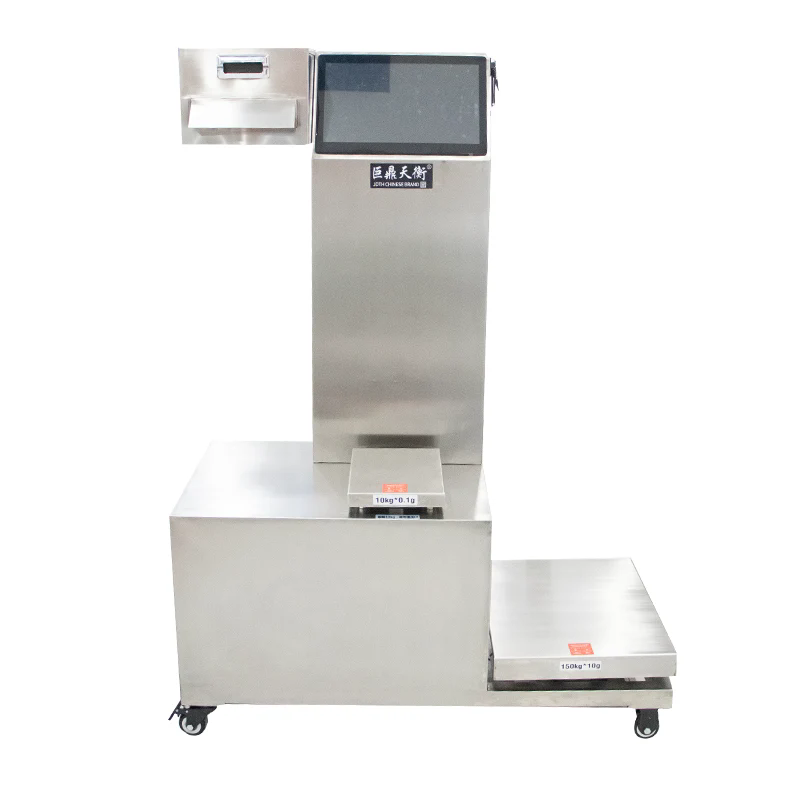
At its core, Intelligent Weighing Equipment is designed to deliver precise measurements while enabling connectivity to data management systems, supporting predictive analytics, and integrating seamlessly with other industrial machinery. With increasing demands for efficiency, traceability, and compliance with international standards, companies are seeking solutions that not only weigh products but also provide actionable insights to improve production and distribution workflows.
What Features Define Intelligent Weighing Equipment?
Understanding the key features of Intelligent Weighing Equipment is essential for selecting the right system for industrial or commercial applications. These features differentiate intelligent systems from traditional weighing scales and contribute to increased accuracy, durability, and usability.
Core Features Include:
| Feature | Description |
|---|---|
| High Precision Sensors | Load cells and strain gauges with microgram-level accuracy for consistent measurements. |
| Digital Connectivity | Integration with IoT platforms, cloud systems, and ERP software for real-time data transfer. |
| Automated Calibration | Self-calibration functions reduce downtime and ensure ongoing measurement accuracy. |
| Multi-functional Display | Touchscreen interfaces with customizable data visualization and reporting features. |
| Data Logging & Analysis | Automatic recording of weights, trends, and statistics for compliance and operational insights. |
| Environmental Adaptability | Resistant to dust, moisture, and temperature fluctuations for industrial environments. |
| Integration with Robotics | Compatible with automated production lines and robotic handling systems. |
| Safety & Compliance Features | Meets ISO, GMP, and other international standards for weighing accuracy and safety. |
These parameters make Intelligent Weighing Equipment a versatile and reliable choice for industries that require accuracy, scalability, and operational intelligence.
Why Choose Intelligent Weighing Equipment Over Traditional Systems?
Efficiency and Accuracy: Intelligent systems minimize human error by providing automated weight detection and real-time monitoring. Unlike conventional scales, they can integrate into production lines, enabling continuous operation without the need for manual intervention.
Data-Driven Insights: By leveraging digital connectivity, these systems allow enterprises to collect, store, and analyze weight data. This capability improves supply chain management, reduces waste, and ensures compliance with regulatory standards.
Cost Savings: Though initial investment may be higher, intelligent weighing solutions reduce labor costs, minimize product loss, and prevent errors that can lead to financial penalties.
Future-Proof Technology: With Industry 4.0 and smart factory trends, Intelligent Weighing Equipment supports predictive maintenance, automated reporting, and integration with AI-driven production systems, ensuring long-term competitiveness.
Common Applications Include:
-
Food and beverage industry: precise ingredient measurement for quality control
-
Pharmaceutical production: strict compliance with dosing and formulation standards
-
Logistics and warehousing: accurate shipment verification and inventory management
-
Manufacturing: material monitoring for efficient production and cost management
How Does Intelligent Weighing Equipment Work and What Are Its Benefits?
Working Principle:
Intelligent Weighing Equipment operates using a combination of advanced sensors, microcontrollers, and communication interfaces:
-
Sensor Measurement: Load cells or force sensors detect weight and convert mechanical force into electrical signals.
-
Signal Processing: Microprocessors process the sensor data, compensating for environmental factors such as vibration, temperature changes, or tilt.
-
Data Analysis: The system analyzes measurements, compares them with predefined thresholds, and generates alerts or reports.
-
Connectivity: Weight data can be transmitted to centralized systems for inventory management, quality control, or compliance auditing.
Benefits Include:
-
Real-time monitoring and reporting for immediate decision-making
-
Automated error detection and self-calibration
-
Integration with enterprise-level software for operational optimization
-
Enhanced traceability to meet regulatory requirements
FAQs About Intelligent Weighing Equipment:
Q1: How accurate are intelligent weighing systems?
A1: Most systems offer precision up to 0.01% of full scale, depending on the sensor type and environmental conditions. Continuous calibration ensures consistency across repeated measurements, making them suitable for industries with strict accuracy requirements.
Q2: Can intelligent weighing equipment integrate with existing production lines?
A2: Yes. Modern systems feature standardized communication protocols (such as Modbus, Ethernet/IP, and OPC UA) allowing seamless integration with PLCs, ERP systems, and robotic automation platforms. This ensures compatibility without requiring extensive modifications to existing workflows.
Future Trends and Advantages of Intelligent Weighing Equipment
The evolution of Intelligent Weighing Equipment is aligned with smart manufacturing, predictive analytics, and Industry 4.0 strategies. Key trends include:
1. Artificial Intelligence Integration: Predictive analytics for quality control, material optimization, and fault detection will become standard.
2. IoT Connectivity: Enhanced data-sharing capabilities between production facilities, suppliers, and logistics partners will drive supply chain efficiency.
3. Energy Efficiency: Future systems are focusing on low-power operation and self-monitoring for sustainable industrial practices.
4. Advanced User Interfaces: Touchscreens with AI-powered dashboards provide intuitive visualization and allow operators to access historical and predictive data effortlessly.
5. Customizable Modular Designs: Equipment can be tailored to specific industry needs, including multi-sensor integration, specialized calibration modes, and automated reporting.
In addition to technological advancements, Intelligent Weighing Equipment ensures a tangible return on investment by reducing operational errors, streamlining production workflows, and supporting compliance across multiple industries. For businesses looking to modernize their operations, integrating such equipment is no longer optional—it is essential for competitiveness.
Jutian provides a comprehensive range of Intelligent Weighing Equipment, combining durability, precision, and connectivity to meet the needs of modern industries. For detailed inquiries, product customization, or purchasing information, contact us to explore how Jutian can optimize your operational efficiency and accuracy.