

Why Are Swing Handle Locks Becoming the Preferred Choice for Industrial and Commercial Security?
2025-11-28
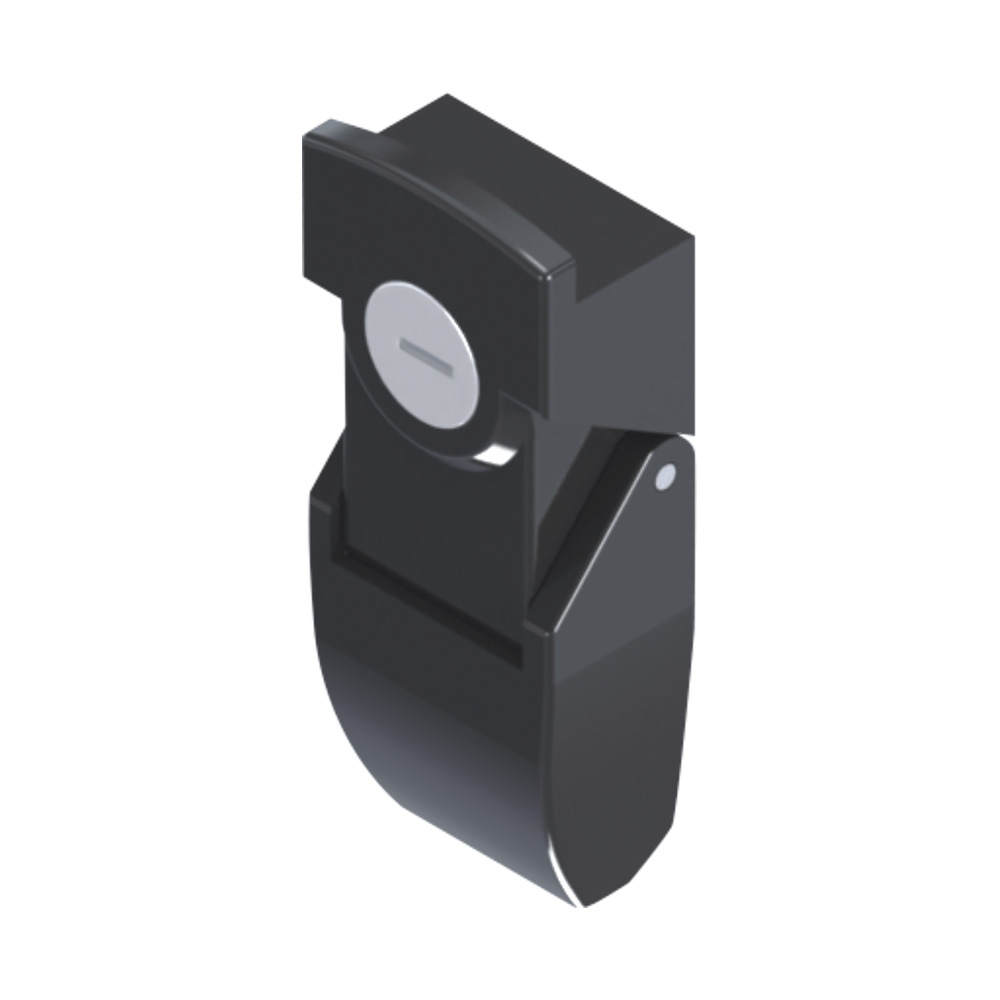
A swing handle lock is a high-durability mechanical locking system widely used in industrial cabinets, electrical enclosures, telecom racks, data center cabinets, machinery housings, and outdoor distribution boxes. Its defining feature is a streamlined handle that swings outward to engage the locking mechanism, providing controlled access, strong resistance to tampering, and enhanced ergonomics.
What Key Features Make Swing Handle Locks a Reliable Security Component?
Professionally engineered swing handle locks combine mechanical precision with structural reinforcement. Their endurance and functionality stem from materials, internal movement structures, handle mechanics, and surface treatments that withstand harsh industrial environments.
Technical Specifications Overview
| Parameter | Specification Details |
|---|---|
| Material Options | Zinc alloy, 304/316 stainless steel, reinforced PA66 engineering plastic |
| Surface Treatment | Chrome plating, electrophoretic black coating, brushed stainless finish, corrosion-resistant powder coating |
| Lock Type Options | Key-locking, tool-locking, padlockable, electronic latch insert |
| Cylinder Core | Flat key, tubular key, double-bitted key, master-keying support |
| Mounting Style | Single-point, two-point, and three-point locking |
| Handle Rotation Angle | 90° / 120° / 180° models based on enclosure design |
| Panel Thickness Compatibility | 1.0–3.0 mm steel plate or 2.0–4.0 mm aluminum panel (depends on model) |
| Ingress Protection (Optional) | IP54 / IP65 / IP67 for dust and water resistance |
| Industry Standards | RoHS, REACH, ISO9001-compliant manufacturing |
| Applicable Cabinet Types | Network racks, power cabinets, switchgear, control panels, machinery cabinets |
These specifications highlight the robust engineering behind industrial-class swing handle locks and set the foundation for deeper questions about performance and suitability.
Why Do Industries Prefer Swing Handle Locks? Evaluating Performance Strengths
The rising demand for swing handle locks across sectors is shaped by a combination of security needs, operational convenience, and adaptability.
Why Are Swing Handle Locks Considered Safer?
-
Their multi-point locking construction ensures distributed force, preventing door warping and forced entry.
-
Reinforced zinc or stainless steel cores maintain structural toughness even under repeated use.
-
Handle-concealed key cylinders reduce exposure to tampering tools.
-
Enhanced torque resistance prevents break-ins via prying or twisting.
Why Do They Improve Operational Efficiency?
-
Smooth swing-out motion provides intuitive handling for technicians who need quick access.
-
Ergonomic design reduces hand strain during frequent cabinet operations.
-
Tool-free models accelerate onsite maintenance.
Why Are They Highly Adaptable Across Industries?
-
Compatible with electrical, telecom, industrial, and mechanical cabinets.
-
Modular components allow customization—cylinders, rods, cams, and sealing accessories.
-
Weatherproof options support outdoor utility and transportation environments.
Why Do They Offer Strong Environmental Resistance?
-
Corrosion-resistant plating withstands extreme humidity and salt spray.
-
UV-stable coatings prevent fading or surface degradation over time.
-
Sealed variants protect equipment in dusty or rain-prone locations.
These "why" factors illustrate why technical teams and system integrators strongly favor swing handle designs.
How Do Swing Handle Locks Work and How Should Businesses Select Them?
To understand selection strategy, it is valuable to look at how swing handle locks operate internally and how their engineering fits specific applications.
How Does the Internal Mechanism Function?
-
Handle Rotation
Turning the swing handle triggers an internal cam or gear system. -
Engaging the Latch or Rods
Motion transfers through single-point or multi-point locking rods. -
Securing the Door
The rods press firmly against the cabinet frame, creating a locked seal. -
Cylinder Interaction
The key or tool controls handle movement, restricting unauthorized access. -
Sealing & Compression
Models with gasket compression ensure tight sealing against environmental ingress.
How Should Buyers Evaluate the Right Swing Handle Lock?
1. Application Environment
-
Indoor use: Standard zinc alloy with chrome finish.
-
Outdoor use: Stainless steel or IP65/IP67 models.
2. Security Level Required
-
High-security facilities: Tubular or double-bitted key systems.
-
General industrial use: Flat key system.
3. Cabinet Structure
-
For tall enclosures: Three-point rod locking ensures overall rigidity.
-
For compact cabinets: Single-point design is sufficient.
4. Maintenance Convenience
-
Quick-access designs for fast-paced operational sites.
-
Padlockable versions for additional manual security.
5. Compatibility with Master-Keying
-
Ideal for data centers and facilities management teams needing centralized control.
Effective selection ensures that the chosen swing handle lock enhances both operational performance and long-term security.
What Future Trends Are Shaping Swing Handle Lock Development?
The evolution of industrial hardware is closely linked to automation, smart monitoring, and global security compliance.
Trend 1: Integration with Electronic Access Systems
-
Locking mechanisms are being equipped with electronic cylinders.
-
Enclosures increasingly support keycard or NFC authentication.
Trend 2: IoT-Enabled Monitoring
-
Sensors detect unauthorized attempts, opening logs, and operational frequency.
-
Remote access management reduces downtime and improves enterprise security oversight.
Trend 3: Enhanced Material Innovation
-
Lightweight corrosion-proof composites suited for outdoor telecom and energy sectors.
-
Advanced surface coatings designed for chemical-resistant environments.
Trend 4: Ergonomic and Safety Design Optimization
-
Slimmer handle profiles for space-limited racks.
-
Anti-pinch safety contours to reduce operational injury risks.
Trend 5: Global Standardization
-
More models designed to comply with international electrical and industrial safety codes.
-
Increasing demand for environmentally friendly and RoHS-compliant materials.
These developments ensure that swing handle locks not only remain relevant but continue to elevate industrial security capabilities.
Common Questions and Detailed Answers
Q1: How durable is a swing handle lock for outdoor use?
A: Outdoor-grade swing handle locks—especially models built from 304/316 stainless steel—offer exceptional resistance to extreme temperatures, corrosion, rain, and UV exposure. When coupled with an IP65 or IP67 sealing structure, the lock protects against heavy dust and water jets, ensuring long-term reliability for telecom boxes, highway equipment, and power distribution cabinets.
Q2: Can swing handle locks be integrated into a master-key system?
A: Yes. Many industrial swing handle lock cylinders are designed for master-keying. This allows one high-level key to open multiple lock types while individual keys continue to operate independently. Facility managers benefit from simplified key management, emergency access capability, and reduced operational complexity.
The Long-Term Value of Swing Handle Locks and the Role of Cofiy
Swing handle locks combine strength, versatility, ergonomics, and professional-grade engineering, making them a preferred solution for industrial cabinets and sensitive equipment environments. Their evolving design aligns with global security expectations, offering enhanced protection, streamlined access, and sustained durability. From material innovation to integrated smart access systems, swing handle locks remain central to the future of industrial hardware security.
Cofiy provides a range of professionally engineered swing handle locks designed to meet international standards and demanding industry requirements. For project customization, product consultation, or specification support, contact us to receive expert guidance and tailored solutions.