

Which Energy-Saving Fan Heater Delivers Efficient and Comfortable Heating?
2026-11-24
An Energy-Saving Fan Heater is an electric heating appliance that uses a heating element and an internal fan to circulate warm air. Its main advantages include relatively fast heat delivery, compact construction, convenient temperature adjustment, and flexible placement in suitable indoor environments. Energy-saving performance depends on more than the heating element itself. Thermostats, operating modes, room insulation, airflow design, and user habits all influence electricity consumption. Buyers should evaluate rated power, heating technology, safety protection, noise level, temperature control, product certifications, and applicable market requirements before purchasing.
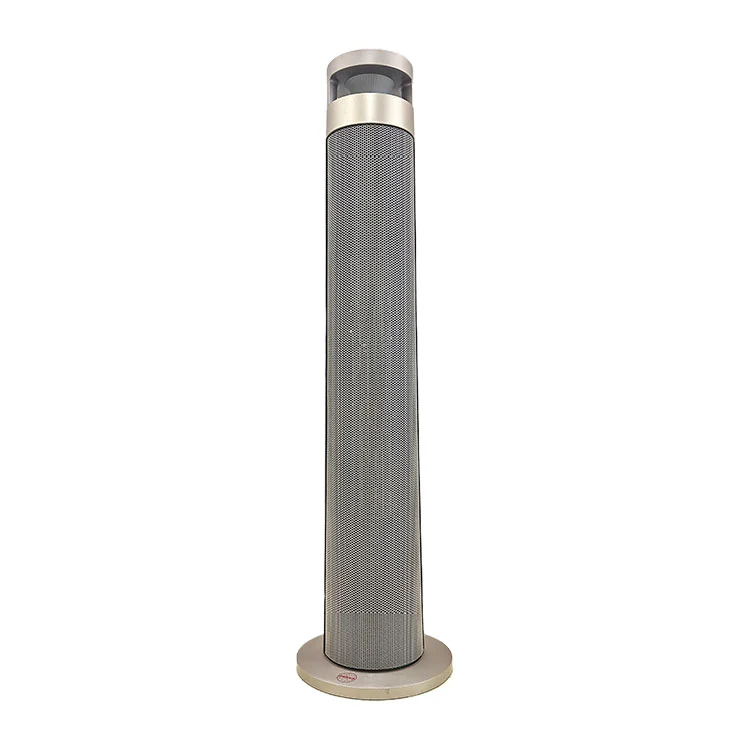
1. What Is an Energy-Saving Fan Heater?
An Energy-Saving Fan Heater is an electric heating appliance that generates heat through an internal heating element and uses a fan to circulate the heated air into the surrounding environment.
Unlike some radiant heaters that mainly transfer heat directly to people and nearby objects, a fan heater uses forced convection to move warm air around a room. This can help users experience warmth relatively quickly, particularly when the appliance is positioned appropriately and the heated air can circulate without obstruction.
Most fan heaters contain several basic components, including a heating element, fan motor, air inlet, air outlet, temperature control system, and protective housing. Depending on the model, additional functions may include multiple heating settings, an adjustable thermostat, an automatic shut-off timer, an LED display, and remote control.
The term energy-saving describes the intended efficiency-oriented design and operation. It does not mean that every fan heater consumes less electricity than every other heating appliance. Since most conventional resistance-based electric heaters convert nearly all the electricity they consume into heat at the point of use, practical savings usually come from better temperature control, reduced unnecessary operating time, and appropriate heating of the occupied space.
Why Are Energy-Saving Fan Heaters Popular?
- They can deliver warm air quickly after startup.
- They are generally compact and convenient to position.
- Adjustable settings allow users to control heating output.
- Built-in thermostats can reduce unnecessary heating cycles.
- They are suitable for supplementary or localized heating.
- Many models offer convenient controls and integrated safety features.
2. How Does an Energy-Saving Fan Heater Work?
The working principle of a fan heater is based on electrical resistance heating and forced-air circulation. The appliance draws in relatively cool air, heats it through an internal heating element, and then distributes the warm air through an outlet.
2.1 Air Intake
When the heater is switched on, the internal fan draws surrounding air into the appliance through an air inlet. The inlet grille helps prevent large foreign objects from entering the internal mechanism, although it should never be treated as a substitute for proper safety precautions.
2.2 Heat Generation
The incoming air passes across or near the heating element. Electrical energy is converted into thermal energy, increasing the temperature of the air as it moves through the heating chamber.
Depending on the product design, the heating element may use ceramic PTC technology, metal resistance wire, or another suitable electric heating structure.
2.3 Warm Air Circulation
The fan pushes heated air out through the outlet grille. The moving air transfers heat to the room and encourages circulation between warmer and cooler areas.
Airflow design is important because it affects how evenly heat is distributed and how comfortably the appliance operates. An effective design should balance airflow, temperature, noise, and heating output.
2.4 Temperature Regulation
Many models include a thermostat that monitors temperature and controls the heating element according to the selected setting. When the surrounding temperature reaches the target level, the heating element may cycle off or reduce its operation. It can operate again when the temperature falls.
This helps prevent unnecessary continuous heating, although actual performance depends on thermostat accuracy, sensor location, room conditions, and product control logic.
Converts electrical energy into heat and determines the available heating output.
Moves air through the heating chamber and distributes warm air into the room.
Monitors temperature and helps regulate heating cycles according to the selected setting.
Helps reduce risks associated with overheating, tipping, and abnormal operating conditions.
3. What Features Improve Heating Efficiency?
Energy efficiency is an important purchasing consideration, especially for customers who use heaters regularly during colder seasons. A well-designed fan heater should provide useful heating performance while avoiding unnecessary energy consumption.
3.1 Adjustable Heating Settings
Multiple heating settings allow users to select an appropriate output according to room temperature and comfort requirements. A lower setting may be sufficient for maintaining warmth in a moderately cool room, while a higher setting can provide faster heating when the room is initially cold.
Adjustable output gives users more flexibility than operating the appliance continuously at its maximum setting.
3.2 Accurate Thermostat Control
A thermostat is one of the most important features for managing electricity use. Instead of continuously producing heat regardless of room temperature, the appliance can regulate heating cycles around a selected temperature.
For users who want to maintain a relatively stable indoor environment, thermostat control can reduce unnecessary operation and improve convenience.
3.3 Programmable Timer
A timer allows users to limit operating periods. This is useful when heating is only needed during certain hours, such as before waking up, during working hours, or before returning home.
Automatic shutdown can help prevent the heater from running longer than necessary. However, users should follow the manufacturer's instructions and avoid leaving appliances operating unattended when the product is not designed for such use.
3.4 Efficient Airflow Design
The fan, air channel, heating element, and outlet grille work together to determine airflow performance. Poor airflow may create localized hot spots, increase noise, or reduce the effectiveness of heat distribution.
A suitable airflow design helps deliver warm air more evenly and allows the appliance to provide comfortable heating without unnecessary operating adjustments.
3.5 Appropriate Room Heating
Heating efficiency also depends on the room itself. Drafty windows, poor insulation, open doors, and high ceilings can increase heat loss and make any electric heater work harder.
Using a heater in an appropriately sized room and reducing heat loss through doors and windows can improve practical heating performance.
4. Different Types of Fan Heater Technology
Heating technology influences warm-up behavior, airflow characteristics, temperature control, and product design. Understanding the available options helps buyers select a heater that matches their target market and application.
4.1 Ceramic PTC Fan Heaters
Ceramic PTC heaters use positive temperature coefficient ceramic heating elements. Their electrical resistance generally increases as the element temperature rises, helping regulate the heating behavior of the element itself.
PTC technology is widely used in compact electric heating appliances because it can offer convenient thermal control and relatively fast warm-air delivery.
However, PTC technology alone does not guarantee lower total electricity consumption. Overall efficiency still depends on the appliance's control system, rated output, airflow, and operating conditions.
4.2 Metal Resistance Wire Fan Heaters
Resistance wire heaters generate heat when electrical current passes through a resistive metal element. The fan moves air across the heated element to deliver warm air into the room.
This technology is commonly used in electric fan heaters because of its straightforward construction and established manufacturing processes.
4.3 Comparison of Common Heating Technologies
| Comparison Item | Ceramic PTC Heater | Resistance Wire Heater |
|---|---|---|
| Heating element | PTC ceramic element | Metal resistance wire |
| Heating response | Generally provides rapid warm-air delivery | Can provide rapid heating depending on design |
| Temperature behavior | Element resistance increases as temperature rises | Depends on element design and control system |
| Control requirements | Benefits from suitable thermostat and protection controls | Benefits from suitable thermostat and protection controls |
| Typical consideration | Element characteristics and thermal management | Element durability and temperature regulation |
Neither technology should be selected based on a single feature. Buyers should compare the complete appliance design, rated performance, safety systems, operating noise, durability, and price.
5. Where Are Energy-Saving Fan Heaters Commonly Used?
Fan heaters are versatile appliances that can provide supplementary heating in different indoor environments. Their suitability depends on the appliance's rated power, safety design, environmental protection, and room conditions.
5.1 Bedrooms and Living Rooms
In residential environments, fan heaters can provide additional warmth during cold mornings or evenings. Adjustable temperature settings and timer functions are useful for managing comfort without continuously operating the appliance at maximum output.
5.2 Home Offices and Study Areas
People working or studying in a small room may not need to heat an entire building. A suitably positioned fan heater can provide localized supplementary warmth, helping improve comfort during colder working hours.
5.3 Offices and Commercial Spaces
In offices, reception areas, and small commercial rooms, portable fan heaters may be used to address localized cold spots. Buyers should check workplace electrical safety policies and ensure that the appliance does not obstruct walkways or ventilation.
5.4 Retail Shops and Small Business Premises
Retail stores and small service businesses may use fan heaters to provide additional warmth in customer-facing or staff areas. Compact dimensions and convenient controls can be useful when floor space is limited.
5.5 Temporary Indoor Heating
Fan heaters can support temporary indoor heating needs in suitable enclosed environments. They should not be used in wet locations, outdoor areas, or hazardous environments unless the specific product is expressly designed and approved for those conditions.
| Application | Important Product Features | Purchasing Considerations |
|---|---|---|
| Bedrooms | Thermostat, timer, low noise | Temperature control and safe placement |
| Home offices | Adjustable heat and compact design | Localized comfort and operating convenience |
| Commercial offices | Safety protection and stable operation | Electrical requirements and workplace policies |
| Retail spaces | Portable structure and easy controls | Floor space and customer safety |
| Temporary indoor use | Fast warm-air delivery | Environmental suitability and supervision |
6. How to Choose the Right Energy-Saving Fan Heater
Selecting the right fan heater requires balancing heating capacity, electricity consumption, comfort, safety, and product reliability. For distributors and importers, understanding the following specifications can help reduce purchasing risks.
6.1 Check the Rated Heating Power
Rated power, measured in watts, indicates the electrical power the appliance is designed to consume under specified operating conditions. Common product categories include lower-power personal heaters and higher-power room heaters.
Higher rated power generally provides greater available heating output, but it also increases instantaneous electricity consumption when operating at full power.
Buyers should consider room size, insulation, climate, target temperature, and expected usage when evaluating the appropriate power level.
6.2 Evaluate the Heating Element
Determine whether the product uses ceramic PTC technology, resistance wire, or another heating structure. Request technical information about the element's rated power, operating temperature, thermal protection, and expected service performance.
6.3 Look for Thermostat and Temperature Control
A thermostat allows the user to set a preferred temperature instead of relying only on manual on-and-off operation. This feature is particularly useful for maintaining indoor comfort and controlling unnecessary heating cycles.
6.4 Consider Heating Modes
Multiple operating modes provide flexibility for different conditions. Depending on the product, these may include low heat, high heat, fan-only operation, and automatic temperature regulation.
Fan-only operation can be useful for air circulation when heating is not required, although it does not provide cooling equivalent to an air conditioner.
6.5 Check Noise Performance
Fan motor noise can influence the user experience, particularly in bedrooms, offices, and study areas. Ask the manufacturer for measured noise information under clearly defined test conditions rather than relying on general descriptions such as quiet operation.
6.6 Evaluate Size and Portability
Compact dimensions, a suitable handle, and a stable base can make a fan heater easier to position and move. Buyers should also check the cord length, product weight, outlet direction, and overall housing design.
6.7 Confirm Voltage and Frequency
Electrical specifications must match the destination market. Check rated voltage, frequency, plug type, rated power, and applicable electrical safety requirements before placing an order.
6.8 Review Product Certifications and Documentation
Certification requirements vary by country and sales market. Buyers should confirm the applicable standards and request relevant test reports, conformity documentation, product labels, and user instructions.
| Selection Factor | What to Check | Why It Matters |
|---|---|---|
| Rated power | Wattage and heating modes | Matches the heating requirement |
| Heating technology | PTC or resistance wire | Determines element characteristics |
| Temperature control | Thermostat and adjustment range | Helps regulate heating cycles |
| Safety protection | Overheat and tip-over protection | Supports safer operation |
| Noise level | Measured operating noise | Improves user comfort |
| Electrical compatibility | Voltage, frequency, and plug | Meets destination market requirements |
| Product compliance | Applicable certifications and test reports | Supports market access and purchasing verification |
7. How to Reduce Electricity Consumption When Using a Fan Heater
Choosing an appropriate appliance is only part of managing energy consumption. Daily operating habits and room conditions also influence electricity costs.
7.1 Select a Suitable Temperature Setting
Setting the thermostat to an appropriate comfort temperature can help avoid excessive heating. A higher target temperature generally requires more energy, especially when the room loses heat quickly.
7.2 Heat the Occupied Area
Using a fan heater for a specific occupied room or area may be more practical than heating unused spaces. Close doors where appropriate to reduce heat transfer to colder adjacent areas.
7.3 Improve Room Insulation
Windows, doors, and poorly insulated walls can allow warm air and heat to escape. Sealing noticeable drafts and using suitable curtains can help maintain indoor warmth and reduce heating demand.
7.4 Use Timer Functions
Programmed operating periods can prevent unnecessary heating when a room is unoccupied. Users should choose timer settings that match their actual daily schedules.
7.5 Keep Air Inlets and Outlets Clear
Dust, furniture, curtains, and other obstructions can interfere with airflow. Maintaining clear air passages helps the fan heater operate as designed.
7.6 Avoid Unnecessary Continuous Operation
Turn the heater off when heating is no longer needed, following the manufacturer's shutdown instructions. Do not use extension leads or power strips unless they are specifically rated and approved for the appliance's electrical load.
8. Safety Features Every Buyer Should Check
Heating appliances generate significant temperatures and draw electrical power. Safety protection is therefore one of the most important considerations for manufacturers, distributors, and end users.
8.1 Overheat Protection
Overheat protection helps interrupt heating when internal temperatures exceed a specified limit. Depending on the design, this may involve a thermal fuse, temperature limiter, or electronic protection system.
8.2 Tip-Over Protection
A tip-over switch can automatically interrupt operation if a portable heater is accidentally knocked over. This is particularly important for appliances designed for floor placement.
8.3 Flame-Retardant Housing Materials
Suitable housing materials help support the product's electrical and thermal safety design. Buyers should request material specifications and relevant test documentation rather than assuming that all plastic housings provide the same protection.
8.4 Stable Base and Protective Grille
A stable base helps reduce the risk of accidental tipping, while a properly designed protective grille helps limit direct contact with internal hot components. The grille must not restrict the intended airflow.
8.5 Electrical Protection
Proper insulation, wiring, plug construction, and electrical component selection are essential. The complete appliance should comply with the applicable electrical safety requirements in its intended market.
9. Maintenance and Troubleshooting
Regular care can help maintain airflow, heating performance, and product service life. Most routine maintenance should be simple, but electrical repairs must be handled by qualified personnel.
9.1 Clean the Air Inlet and Outlet
Dust accumulation can restrict airflow and affect the appliance's thermal performance. Switch off and unplug the heater, allow it to cool completely, and clean the external air passages according to the manufacturer's instructions.
9.2 Inspect the Power Cord and Plug
Check for visible damage, discoloration, loose connections, or signs of overheating. Stop using the appliance if the power cord or plug appears damaged.
9.3 Check the Fan Operation
Unusual vibration, scraping sounds, or irregular airflow may indicate a fan motor problem, foreign material, or mechanical damage. The appliance should be inspected before further use.
9.4 Store the Heater Properly
After the heating season, clean the appliance, allow it to cool, and store it in a dry location. Avoid placing heavy objects on the housing or power cord.
9.5 Common Problems and Possible Causes
| Problem | Possible Cause | Recommended Action |
|---|---|---|
| Heater does not start | Power supply issue or protection activation | Check the power supply and product instructions |
| Weak warm airflow | Blocked air passages or fan malfunction | Unplug and inspect the air inlet and outlet |
| Heater stops unexpectedly | Thermostat cycling or overheating protection | Check airflow and operating conditions |
| Unusual noise | Foreign material or fan motor issue | Stop operation and arrange inspection |
| Unusual smell | Dust accumulation or electrical overheating | Switch off and unplug; seek professional inspection if persistent |
Never open the heater or attempt internal repairs while it is connected to the power supply. If the appliance shows signs of electrical overheating, smoke, sparking, or repeated protection activation, stop using it and contact a qualified service professional.
10. Common Purchasing Mistakes to Avoid
For importers, wholesalers, retailers, and private-label brands, choosing a fan heater involves more than comparing product appearance and wholesale price. The following mistakes can affect customer satisfaction and increase after-sales costs.
Mistake 1: Focusing Only on Rated Power
Higher wattage does not automatically mean better value. Buyers should compare heating performance, temperature regulation, room suitability, and actual operating requirements.
Mistake 2: Ignoring Safety Protection
Overheat protection, tip-over protection where applicable, electrical insulation, and suitable housing materials should be evaluated as part of the complete product specification.
Mistake 3: Overlooking Destination Market Requirements
Voltage, frequency, plug type, labeling, certification, and user manual requirements can differ between countries. Confirm these details before production and shipment.
Mistake 4: Not Testing Noise and Airflow
Fan noise and airflow quality have a direct impact on the customer experience. Request product samples or test information before confirming a large order.
Mistake 5: Failing to Confirm Product Details
Always check the rated power, dimensions, heating modes, thermostat functions, safety features, materials, and packaging information against the final approved specification.
Mistake 6: Ignoring OEM and Packaging Requirements
For private-label projects, discuss logo placement, color options, product manuals, retail packaging, carton specifications, and barcode requirements in advance.
11. Frequently Asked Questions About Energy-Saving Fan Heaters
Q1: What is an Energy-Saving Fan Heater?
It is an electric heating appliance that combines a heating element and fan to generate and distribute warm air. Energy-conscious features may include adjustable heating settings, thermostat control, and timer functions.
Q2: Does an Energy-Saving Fan Heater use less electricity?
Electric resistance fan heaters convert nearly all the electricity they consume into heat at the point of use. Actual savings mainly depend on temperature regulation, operating duration, room insulation, and heating habits rather than the product name alone.
Q3: What is the difference between a PTC fan heater and a traditional fan heater?
A PTC fan heater uses a ceramic positive temperature coefficient heating element, while traditional models may use metal resistance wire. Both use airflow to distribute heat, but their element characteristics and thermal control designs differ.
Q4: Is a fan heater suitable for a bedroom?
A fan heater can provide supplementary bedroom heating when it is designed for indoor use and positioned according to the manufacturer's safety instructions. Choose a model with appropriate temperature control and safety protection. Do not operate it unattended or while sleeping unless the manufacturer explicitly permits such use.
Q5: What does a thermostat do in a fan heater?
A thermostat monitors temperature and regulates the heating cycle according to the selected setting. It can help maintain a more stable indoor temperature and reduce unnecessary continuous heating.
Q6: How can I reduce the electricity cost of a fan heater?
Use an appropriate temperature setting, heat only occupied areas, improve room insulation, keep airflow passages clear, and use timer functions where available. Turn off the appliance when heating is no longer needed.
Q7: What safety features should a fan heater have?
Important features may include overheat protection, tip-over protection for applicable portable models, suitable electrical insulation, stable construction, and protective air grilles. Buyers should verify the complete product's compliance with relevant safety requirements.
Q8: Can a fan heater be used in a bathroom?
Only models specifically designed and approved for the relevant bathroom environment should be considered. Ordinary portable fan heaters should not be used near water or in wet locations. Follow local electrical safety regulations and the manufacturer's installation instructions.
Q9: How do I choose the correct wattage?
Consider room size, insulation, outdoor temperature, desired indoor temperature, and expected operating time. A heater should provide suitable output for the intended application without exceeding the electrical capacity of the circuit.
Q10: How often should a fan heater be cleaned?
Cleaning frequency depends on the environment and usage. Inspect the air inlet and outlet regularly and remove dust according to the manufacturer's instructions. Always unplug the appliance and allow it to cool before cleaning.
Q11: Can an Energy-Saving Fan Heater be customized for OEM orders?
OEM options depend on the manufacturer's production capabilities. Potential customization items include housing appearance, color, logo, rated power, control functions, plug type, product packaging, and user manuals. Confirm available options and compliance requirements before placing an order.
Q12: What information should I provide when requesting a quotation?
Provide the target market, rated voltage, frequency, preferred wattage, heating technology, thermostat requirements, safety features, plug type, packaging requirements, order quantity, and any branding needs. These details help the supplier evaluate a suitable product configuration.
12. Why Choose Cixi Jianhui Electrical Technology Co., Ltd.?
Choosing an electric heater supplier requires careful consideration of product specifications, manufacturing consistency, electrical safety, and market requirements. For importers and distributors, a suitable supplier should understand both the technical characteristics of the appliance and the practical needs of the target market.
Cixi Jianhui Electrical Technology Co., Ltd. is the company featured in this article for customers looking for electric heating appliance solutions.
When evaluating an Energy-Saving Fan Heater for your product portfolio, it is important to discuss the intended application, heating requirements, electrical specifications, control functions, and safety expectations before confirming a product model.
For wholesale and OEM purchasing projects, buyers should also pay attention to:
- Rated power and available heating configurations.
- Heating element technology and temperature control.
- Overheat and tip-over protection arrangements.
- Housing materials, dimensions, and product appearance.
- Operating noise and warm-air circulation performance.
- Electrical compatibility and destination market requirements.
- Logo customization, retail packaging, and user documentation.
A carefully selected fan heater can provide convenient supplementary warmth and a better user experience. Clear communication about product requirements helps buyers and manufacturers establish a suitable configuration for different markets and applications.
Looking for a Reliable Energy-Saving Fan Heater Supplier?
Whether you are an importer, wholesaler, retailer, or private-label brand, selecting the right heating appliance is an important step toward meeting your customers' needs.
Cixi Jianhui Electrical Technology Co., Ltd. welcomes product inquiries and purchasing discussions from international buyers.
Contact us today to discuss your required specifications, OEM requirements, and bulk purchasing plans. Let us explore a suitable fan heater solution for your market.
Contact Us for a QuotationProduct specifications, available functions, and safety features vary by model. Always refer to the manufacturer's official product datasheet, test documentation, and operating instructions for confirmed information. Actual electricity consumption depends on rated power, operating duration, temperature settings, and environmental conditions.