

What Makes Magnetic Tools More Reliable, Efficient, and Future-Ready?
2025-11-14
Magnetic tools refer to a broad category of hand tools, holders, pick-up devices, and organizational systems that use magnetic force to secure, attract, position, or retrieve metal objects. These tools are widely applied in automotive repair, industrial assembly, construction, home maintenance, precision electronics, and workshop organization. Their value comes from their ability to improve workflow efficiency, enhance tool safety, reduce downtime, and strengthen job-site accuracy.
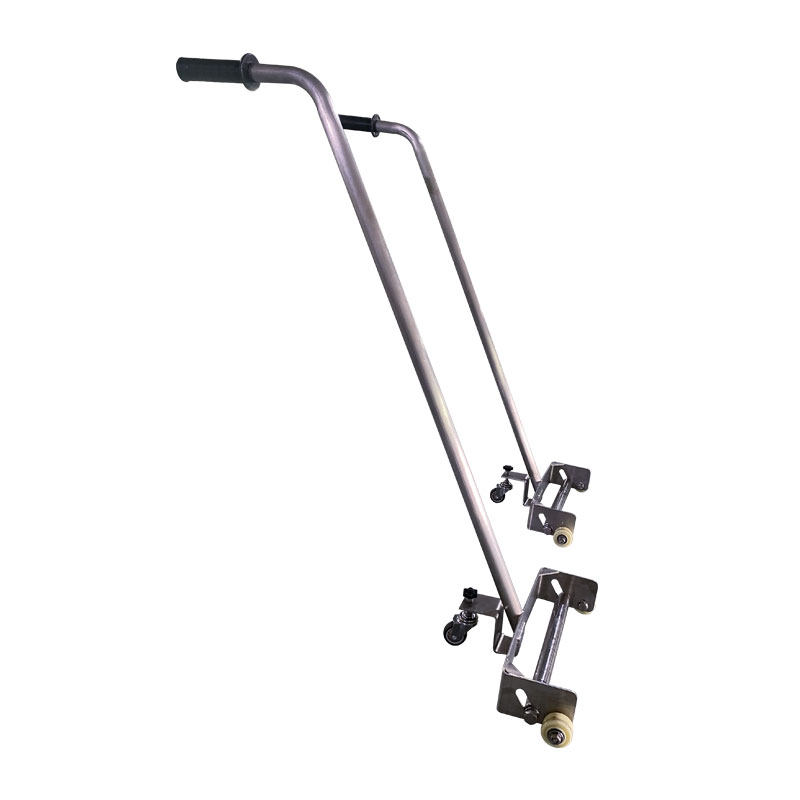
Magnetic tools provide several core functions:
-
Gripping and holding metal components
-
Retrieving small screws, bolts, nails, or metal fragments
-
Organizing tools on walls, racks, trays, or belts
-
Stabilizing metal materials during work
-
Providing non-slip and anti-fall features in high-vibration environments
Modern industries rely on magnetic tools to solve problems related to precision, productivity, and workplace order. Their structure combines durable casing materials such as steel, ABS, and aluminum with high-grade permanent magnets such as ferrite, neodymium, or samarium-cobalt.
Key Product Parameters
| Parameter Category | Details |
|---|---|
| Magnet Type | Neodymium (N35–N52 grade), Ferrite, Samarium-Cobalt |
| Holding Force Range | 5 lbs to 150 lbs (depending on tool type) |
| Material Construction | Steel housing, aluminum frame, ABS casing, rubber-coated surface |
| Tool Variants | Magnetic pick-up tools, magnetic trays, magnetic bars, magnetic sockets, magnetic wristbands, magnetic holders |
| Temperature Resistance | Neodymium (≤80°C), Samarium-Cobalt (≤300°C) |
| Applications | Automotive repair, industrial machinery, woodworking, construction, home DIY, warehouse management |
| Durability Features | Rust-resistant coating, anti-scratch rubber pad, shock-resistant core |
| Certifications | RoHS, durability tests, load-bearing tests |
These parameters help buyers understand whether a magnetic tool meets the strength, reliability, and environmental requirements of their workspace.
Why Are Magnetic Tools Considered Essential for Productivity, Safety, and Precision?
Workshops, factories, and homes rely heavily on metallic fasteners and components. These often fall, scatter, or get lost easily, which disrupts workflow, delays project completion, and increases occupational hazards. Magnetic tools solve these challenges by combining force, function, and stability in practical designs.
Why Magnetic Tools Improve Productivity
-
Faster Metal Retrieval: Tools like telescoping magnetic pick-up sticks allow workers to retrieve screws or bolts quickly from tight or dark spaces.
-
Instant Tool Organization: Magnetic bars and trays keep tools in place, reducing the time spent searching for the right wrench or screwdriver.
-
Reduced Hand Fatigue: Magnetic tool sockets and holders allow one-handed operation, simplifying repetitive tasks.
Why Magnetic Tools Enhance Safety
-
Prevention of Metal Debris Accidents: Magnetic sweepers remove hazardous metal scraps from floors.
-
Secure Tool Placement: Strong magnetic strips reduce the chance of tools falling from racks or belts.
-
Non-Slip Stability: Rubber-coated magnets provide secure adhesion without scratching surfaces.
Why Magnetic Tools Increase Precision
-
Stable Positioning: Magnetic holders keep metal components steady during drilling, welding, or fastening.
-
Improved Alignment: Magnetic squares and levels support accurate construction and assembly.
-
Consistent Force Distribution: High-grade neodymium magnets provide stable holding strength, minimizing misalignment.
The growing need for precision-based work in automotive, aerospace, manufacturing, and electronics industries continues to increase demand for magnetic tools.
How Do Magnetic Tools Function and How Can They Be Selected for Specific Applications?
Magnetic tools operate through permanent magnetic fields designed to attract and hold ferromagnetic materials. Their structure varies depending on the application, but the core principle remains the same: using magnetic force to control metal components efficiently.
How Magnetic Tools Work
-
Magnetic Attraction:
Strong internal magnets produce a field that pulls in metallic objects like screws, bolts, or plates. -
Magnetic Retention:
Housing materials such as steel or aluminum concentrate magnetic energy, increasing holding power. -
Controlled Release:
Some tools use a sliding sleeve or push mechanism to safely release collected metal. -
Stability Enhancement:
Rubberized coatings reduce vibration transfer and prevent metal movement once attached.
How to Choose the Right Magnetic Tool
Choosing the correct magnetic tool depends on several factors:
-
Type of Work
Automotive mechanics benefit from telescoping pick-up tools, magnetic trays, and socket organizers.
Assembly lines require magnetic bars and holders.
Construction workers need strong magnetic squares and levels. -
Required Holding Force
Lighter tasks need 5–20 lbs of force.
Heavy-duty industrial use may require 80–150 lbs. -
Working Environment
High-temperature applications benefit from samarium-cobalt magnets.
Workshop environments may require rust-resistant steel housing. -
Durability Requirements
Rubber-coated magnetic bases prevent surface damage and provide shock resistance.
How Magnetic Tools Solve Practical Industrial Problems
-
Narrow spaces: Telescopic magnetic tools reach areas hands cannot access.
-
Messy workstations: Magnetic trays keep fasteners organized.
-
Frequent tool loss: Magnetic wristbands allow quick access to screws during climbing or assembly work.
-
Heavy metal handling: Magnetic lifters support safe lifting of steel plates and beams.
Magnetic tools transform workflow efficiency by combining minimal physical effort with maximum holding strength.
What Future Trends Are Driving the Development of Magnetic Tools and Why Are They Important?
Magnetic tool innovation is accelerating due to technological advancements and growing demand for smarter, safer, and more efficient work environments.
Trend 1: Stronger and Safer Magnet Materials
Future development focuses on:
-
higher-grade neodymium (N50–N55) with increased holding force
-
improved corrosion-resistant coatings
-
heat-resistant magnetic alloys for industrial and outdoor usage
These advancements support heavy-duty lifting and high-temperature manufacturing.
Trend 2: Ergonomic and Multi-Functional Designs
Manufacturers are prioritizing:
-
lighter telescoping tools
-
flexible wristbands with improved fabric strength
-
adjustable magnetic angles for welding and construction
-
anti-slip textured handles
Ergonomic improvements reduce fatigue and enhance accuracy.
Trend 3: Smart Workshop Integration
Magnetic tools are becoming part of smart workshop systems through:
-
modular magnetic wall systems
-
customizable magnetic storage grids
-
hybrid magnetic-electric holders for precision tasks
These designs enhance workspace efficiency and safety.
Trend 4: Sustainability and Long-Life Materials
Future magnetic tools emphasize:
-
recyclable metal housings
-
long-life coatings
-
reduced waste in manufacturing
-
energy-efficient production methods
Durability reduces long-term environmental impact.
Magnetic tools will continue to evolve to meet the rising demands of automotive engineering, aerospace assembly, industrial manufacturing, and home improvement.
Common Questions About Magnetic Tools
Q1: How strong should the magnet be for general workshop tasks?
A1: Most workshop tasks require a holding force of 10–40 lbs, which is suitable for retaining medium-sized tools and components. Heavy-duty industrial tasks may require 80–150 lbs of force to secure larger or heavier metal parts. Choosing a force level depends on the weight of the materials being handled and the environmental conditions of the workspace.
Q2: Do magnetic tools lose their magnetic strength over time?
A2: High-quality permanent magnets such as neodymium typically retain over 95% of their strength for many years unless exposed to severe heat, strong impact, or corrosive environments. Proper storage and use prevent demagnetization. Tools designed with protective coatings and shock-resistant structures experience minimal loss of magnetic power over long-term use.
Conclusion — Why Magnetic Tools Continue to Play a Critical Role in Professional and Home Workshops
Magnetic tools simplify the handling, organization, and retrieval of metal components across various industries. Their strong magnetic force improves productivity, enhances safety, and supports precision-based tasks. With advanced materials, ergonomic designs, and sustainable development trends, magnetic tools will continue to evolve to meet the needs of modern work environments.
As manufacturers develop stronger, more durable, and more adaptive magnetic solutions, professionals and DIY users alike will benefit from improved workflow efficiency and greater reliability.
Force is committed to producing high-performance magnetic tools designed for demanding applications and long-term durability. For more information on product specifications or customized solutions, contact us for detailed support.