

What Makes an Energy Storage Connector the Key to High-Efficiency Power Systems?
2025-11-20
An Energy Storage Connector is a specialized electrical interface designed to ensure safe, efficient, and stable power transmission within energy storage systems. It plays a crucial role in connecting battery modules, power distribution units, inverters, and monitoring devices. As energy storage systems become more advanced and widely used in residential solar, industrial backup power, telecommunications, data centers, and electric mobility infrastructure, demand for high-reliability connectors continues to rise.
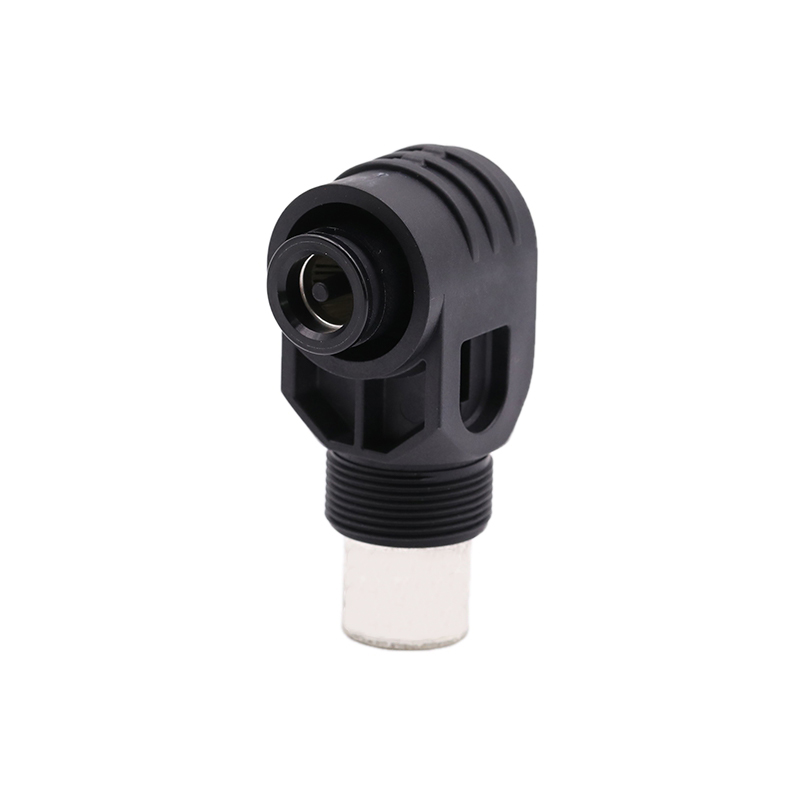
Why Is an Energy Storage Connector Crucial for High-Performance Energy Systems?
Energy storage systems demand connectors that meet strict requirements for conductivity, durability, and thermal performance. The reasons behind their importance fall into several categories:
High-Current Stability
Energy storage applications often require connectors capable of maintaining a consistent flow of high current without overheating. A standard power connector cannot handle the heat buildup or voltage load that energy storage environments generate. This makes engineered connectors with low contact resistance critical.
Enhanced Operational Safety
Energy storage systems must prevent arcing, accidental disconnection, and short circuits. A specialized connector comes with safety locking mechanisms, insulated housings, and industry-specific standards for voltage isolation.
Durability Under Harsh Conditions
Energy storage installations may encounter vibration, temperature fluctuations, humidity, or chemical exposure. Connectors built for these environments utilize flame-retardant materials, corrosion-resistant alloys, and reinforced mechanical structures.
Compatibility With Modular System Design
Battery energy storage systems rely on modular architecture. Connectors must support easy installation, maintenance, and scalability without compromising system stability.
Professional Product Parameters (Example Table)
| Parameter Type | Technical Specification |
|---|---|
| Rated Current | 30A–350A (Depending on Model) |
| Rated Voltage | 600V–1500V DC |
| Contact Resistance | ≤ 0.2mΩ |
| Operating Temperature | –40°C to +125°C |
| Flammability Rating | UL94 V-0 |
| Insulation Resistance | ≥ 5000MΩ |
| Material (Housing) | High-strength, flame-retardant engineering plastic |
| Material (Contacts) | Silver-plated or tin-plated copper alloy |
| Connection Method | Crimping / Bolted / PCB-mount |
| Safety Features | Anti-reverse design, locking latch, arc-suppressing structure |
These specifications ensure that Energy Storage Connectors deliver maximum efficiency, durability, and safety in demanding power environments.
How Does an Energy Storage Connector Function to Improve System Performance?
Understanding how an Energy Storage Connector works provides insight into why it is indispensable in modern power electronics.
How It Ensures Efficient Power Transmission
The connector uses precision-engineered contacts to minimize resistance and heat. Silver-plated or tin-plated copper contacts enhance conductivity and reduce oxidation over long-term use.
How It Enhances Safety During Operation
Safety features include:
-
Anti-reverse structures preventing incorrect installation
-
Secure locking systems avoiding accidental unplugging
-
Arc-suppression designs reducing spark-related risks
-
High insulation resistance preventing leakage or short circuits
These mechanisms collectively ensure seamless and risk-free operation in high-voltage environments.
How It Supports Modular and Scalable Designs
Energy storage systems often grow over time. Connectors allow modules to be added or removed without rewiring the entire system. This supports:
-
Fast assembly
-
Easy serviceability
-
Modular expansion
How It Performs Under Extreme Environments
The structural design allows the connector to withstand:
-
Heavy vibration
-
Extreme temperatures
-
High cycling demands
-
Outdoor installations
Reinforced housings and durable contact materials ensure long service life even in rugged settings.
How It Reduces Maintenance Costs
High durability combined with stable electrical performance lowers the frequency of system maintenance and minimizes downtime for end users.
What Future Trends Are Shaping Energy Storage Connector Development?
Energy storage technology continues to evolve, and connectors must advance accordingly. Several notable trends are expected to influence the future of this industry:
Growing Demand for High-Voltage, High-Current Connectors
As grid-scale storage and fast-charging systems expand, connectors will require higher voltage ratings, better thermal conduction, and more efficient contact materials.
Smart Monitoring Integrated Into Connectors
Future connectors may include built-in sensors to monitor:
-
Temperature
-
Current flow
-
Connection stability
-
Contact resistance
This improves system reliability and aligns with smart-grid development.
Miniaturization Without Performance Loss
Designs are expected to become more compact while still delivering high power capacity and excellent safety performance.
Increased Adoption in Renewable Energy
Solar farms, wind power stations, and hybrid energy storage systems depend heavily on stable connectors. With global renewable energy expansion, demand for professional-grade connectors will continue to surge.
Advancements in Materials
Next-generation connectors may incorporate:
-
High-temperature polymers
-
Superior conductive coatings
-
Corrosion-resistant alloys
These materials help extend product lifespan in harsher energy environments.
Common Questions About Energy Storage Connectors (FAQ Section)
Q1: What determines the current rating of an Energy Storage Connector?
A1: The current rating is primarily determined by the contact material, conductor cross-section, plating thickness, and thermal dissipation design. High-quality copper alloy with silver plating ensures reduced resistance and supports stable high-current flow.
Q2: How can an Energy Storage Connector improve system safety?
A2: Safety is enhanced through locking mechanisms, anti-reverse structures, insulated housings, and arc-suppression designs that reduce risks of electrical shock, short circuits, or accidental disconnection during operation.
Q3: What environmental conditions can Energy Storage Connectors withstand?
A3: These connectors are engineered to perform in extreme temperatures, humidity, vibration, and corrosive environments. High-strength plastic housings, UL94 V-0 flame-retardant materials, and corrosion-resistant contacts ensure long-term reliability outdoors or in industrial settings.
Energy Storage Connectors play a central role in high-performance power systems by ensuring stable electrical transmission, enhanced safety, and compatibility with modular architectures. They support the growth of renewable energy, grid storage, and advanced industrial applications. With their precise engineering, robust materials, and evolving smart features, these connectors are built to meet the changing demands of modern energy infrastructure.
As advancements continue, high-quality Energy Storage Connectors provided by Sanan deliver the reliability, performance, and durability required across energy storage applications. For more information about product specifications, sourcing options, or technical guidance, please contact us to learn more.