

What Maintenance Does An Air Hammer Require?
2025-12-30
Regular upkeep is the foundation of reliable pneumatic operation on North American jobsites. In workshops and construction environments where shop air systems run daily, neglected tools quickly lose striking force and accuracy. When technicians follow a consistent service routine, downtime is reduced and operator safety improves. At Foshan WYMA Pneumatic Tools Co., Ltd., we design pneumatic impact tools for long service life, but real performance depends on how equipment is handled in the field. From oiling schedules to hose inspection, maintenance ensures stable airflow, consistent blows, and compliance with OSHA expectations commonly followed in the United States.
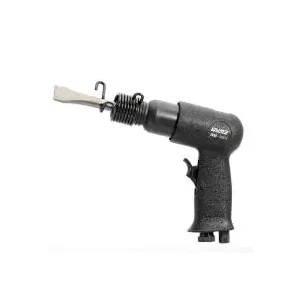
What Daily Inspection Steps Should Operators Never Skip?
Before connecting to a quick coupler, visual checks should confirm that the air inlet, retainer spring, and barrel are free of debris. Moisture from compressed air lines is a common issue in humid regions, so draining the compressor tank daily is recommended. A few drops of pneumatic tool oil in the inlet help lubricate internal components and prevent vane wear. This simple habit protects seals and reduces friction during continuous operation. Many crews overlook these steps, yet they represent the most cost effective way to extend tool life in real world conditions.How Does Lubrication Protect Internal Components Over Time?
Lubrication is the single most important factor in preserving an air hammer during heavy duty use. Proper oiling prevents rust, cushions moving parts, and keeps the piston cycling smoothly under load. In cold climates, lighter grade pneumatic oil helps maintain responsiveness, while warmer regions can use standard viscosity products. Our experience shows that consistent lubrication dramatically lowers maintenance costs across seasonal projects. Foshan WYMA Pneumatic Tools Co., Ltd. recommends oiling before each shift and after extended storage to avoid dry starts that damage internal surfaces.Which Air Supply Parameters Influence Wear and Efficiency?
Stable air pressure and sufficient flow are critical for predictable performance. Fluctuations in PSI or restricted hoses cause incomplete strokes and added mechanical stress. Below is a typical specification reference used by contractors when evaluating tool compatibility with existing shop air systems.
| Operating Pressure | 90 PSI standard shop air |
| Air Consumption | 4.0 to 6.0 CFM under load |
| Air Inlet Size | 1/4 inch NPT |
| Recommended Hose ID | 3/8 inch for reduced pressure loss |
| Lubrication Type | Pneumatic tool oil |
How Often Should Wear Parts and Accessories Be Replaced?
Consumable parts such as chisels, retainers, and O rings experience natural wear. Monitoring these components prevents secondary damage to the housing and piston. Below is a general maintenance interval guideline commonly followed by equipment managers.
| Daily | Oil tool and inspect air inlet |
| Weekly | Check hose connections and couplers |
| Monthly | Inspect piston and barrel for scoring |
| Quarterly | Replace worn seals and retainers |
Why Does Cleaning and Storage Affect Long Term Reliability?
After each shift, wiping down the exterior removes metal dust and abrasive particles that can migrate into the air inlet. Storing tools in a dry cabinet or toolbox prevents corrosion caused by overnight condensation. In colder states, allowing equipment to warm to ambient temperature before operation helps avoid brittle seal failure. An Air Hammer that is cleaned and stored correctly maintains tighter tolerances and smoother operation across its service life. Our technicians emphasize storage discipline as a key factor in warranty performance.How Does Consistent Maintenance Translate Into Long Term Performance Stability?
Consistent maintenance is not a one time task but an ongoing process that directly determines air hammer reliability and jobsite efficiency. By combining routine inspection, correct lubrication practices, stable air supply management, and scheduled replacement of wear components, operators can significantly extend service life while minimizing unexpected downtime. Understanding what maintenance an air hammer requires allows professionals to align daily handling habits with long term performance expectations, ensuring dependable operation across demanding applications without unnecessary repair costs.FAQ: What Maintenance Does An Air Hammer Require?
Q1: What Maintenance Does An Air Hammer Require for daily jobsite use?
Daily maintenance includes draining the compressor, adding pneumatic oil before use, checking hose fittings, and visually inspecting the retainer and barrel to ensure safe operation.
Q2: What Maintenance Does An Air Hammer Require when operating in cold or humid climates?
In cold regions, allow the tool to reach ambient temperature and use lighter oil, while in humid areas frequent moisture control and corrosion checks are necessary to protect internal parts.
Q3: What Maintenance Does An Air Hammer Require to maintain consistent striking power?
Maintaining stable air pressure, using the correct hose diameter, and replacing worn seals on schedule are essential to preserve impact force and avoid air leakage.