

What Are Manual Cutting Tools and Why Are They Essential in Modern Manufacturing?
2026-06-15
In modern workshops, construction sites, and industrial production lines, precision and efficiency are not achieved by machines alone. A wide range of Manual Cutting Tools still plays a critical role in shaping, trimming, and finishing materials with accuracy and control. Despite the rise of automated systems, these tools remain indispensable due to their flexibility, cost-effectiveness, and ability to handle detailed work that machines often cannot perform efficiently. From simple household repairs to heavy-duty industrial fabrication, Manual Cutting Tools are fundamental instruments that support productivity and craftsmanship.
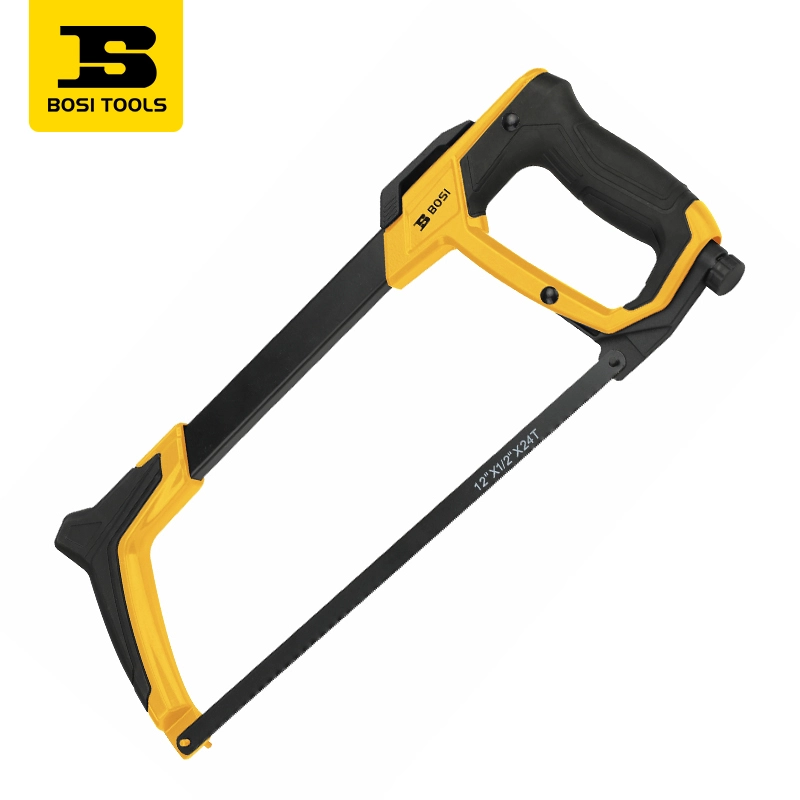
Understanding Manual Cutting Tools
Manual Cutting Tools refer to hand-operated instruments designed to cut, trim, shear, or shape materials such as metal, wood, plastic, and wires without powered assistance. Unlike electric cutting machines, they rely entirely on human force and precision control.
These tools are widely used across industries including automotive repair, construction, electronics, plumbing, and metalworking. Their simplicity in design makes them easy to use, maintain, and transport.
Key Functions and Importance
The importance of Manual Cutting Tools can be summarized in several core functions:
- Provide precise cutting control for detailed work
- Enable safe operation in environments where power tools are impractical
- Reduce operational costs compared to automated machines
- Offer portability and ease of use in fieldwork
- Support finishing tasks that require human accuracy
In many industries, they are not just alternatives but essential complements to powered equipment.
Types of Manual Cutting Tools
Below is a simple classification of commonly used Manual Cutting Tools:
| Category | Tool Examples | Primary Use |
|---|---|---|
| Wire Cutting Tools | Wire cutters, diagonal pliers | Electrical wiring and cable trimming |
| Metal Cutting Tools | Tin snips, bolt cutters | Sheet metal and rods |
| Wood Cutting Tools | Hand saws, chisels | Carpentry and shaping wood |
| Precision Cutting Tools | Craft knives, scissors | Fine detailing and light materials |
Each category serves a specific purpose, ensuring users can achieve accuracy across different materials and applications.
Manual Cutting Tools vs Power Cutting Tools
Understanding the difference between manual and power tools helps industries choose the right equipment:
-
Manual Cutting Tools
- Require human force
- High precision for small-scale work
- Lower cost and maintenance
- Safer in confined or sensitive environments
-
Power Cutting Tools
- Operate using electricity or batteries
- Suitable for high-volume production
- Faster cutting speed
- Higher maintenance and energy cost
While power tools dominate mass production, Manual Cutting Tools remain essential for precision work, repairs, and situations requiring greater control.
Advantages of Using Manual Cutting Tools
The continued relevance of Manual Cutting Tools is supported by several advantages:
- High Precision Control – Users can adjust pressure and angle easily
- Cost Efficiency – No electricity or fuel required
- Durability – Simple structure leads to long service life
- Safety – Reduced risk of high-speed mechanical accidents
- Versatility – Suitable for multiple materials and environments
These benefits make them a preferred choice in both professional and DIY applications.
Industrial Applications
Manual Cutting Tools are widely used across industries:
- Electrical engineering for wire trimming and installation
- Construction for cutting rods, pipes, and materials
- Automotive repair for maintenance and part adjustments
- Manufacturing for finishing and assembly processes
- Home improvement and craftwork for general cutting tasks
Their adaptability ensures they remain relevant even in highly automated industries.
Quality and Manufacturing Standards
High-quality Manual Cutting Tools must meet strict standards in terms of material strength, ergonomic design, and cutting precision. Premium-grade steel, heat treatment processes, and ergonomic handles significantly improve performance and user comfort.
Manufacturers like Ningbo Shiji Bosi Tools Co., Ltd. focus on producing durable and efficient tools designed for professional-grade applications. With advanced production techniques and strict quality control systems, they ensure each tool delivers consistent performance, long service life, and reliable cutting accuracy.
Choosing the Right Manual Cutting Tools
When selecting Manual Cutting Tools, consider the following factors:
- Material type (metal, wire, wood, etc.)
- Cutting thickness and hardness requirements
- Handle ergonomics and grip comfort
- Blade material and sharpness retention
- Intended usage frequency (professional or occasional)
Choosing the right tool ensures better efficiency, safety, and long-term performance.
Maintenance Tips for Longer Lifespan
To maximize tool durability:
- Clean tools after each use to prevent rust
- Apply lubrication to moving joints
- Store in dry environments
- Regularly sharpen cutting edges
- Avoid using tools beyond their capacity
Proper maintenance significantly extends the life and effectiveness of Manual Cutting Tools.
Conclusion
Manual Cutting Tools remain an essential part of modern industry due to their precision, reliability, and versatility. While technology continues to advance, the demand for skilled hand tools has not diminished. Instead, they continue to complement automated systems by providing control and flexibility in tasks requiring human judgment.
For businesses seeking durable, high-performance cutting solutions, choosing a trusted manufacturer is crucial. Ningbo Shiji Bosi Tools Co., Ltd. is committed to delivering professional-grade Manual Cutting Tools that meet global quality standards and diverse industrial needs.
If you are looking for reliable solutions or customized tool options, feel free to contact us today for more information and professional support.