

How to Choose the Right Drive Pulley for Industrial Power Transmission?
2026-02-04
Abstract
A drive pulley is a critical component in power transmission systems, directly affecting efficiency, stability, and equipment lifespan. Selecting an unsuitable drive pulley often leads to belt slippage, excessive vibration, premature wear, and unexpected downtime. This in-depth guide explains how a drive pulley works, common customer pain points, key selection criteria, material options, application scenarios, and maintenance considerations. The objective is to help engineers, procurement teams, and plant managers make informed decisions and achieve reliable, long-term performance in industrial environments.
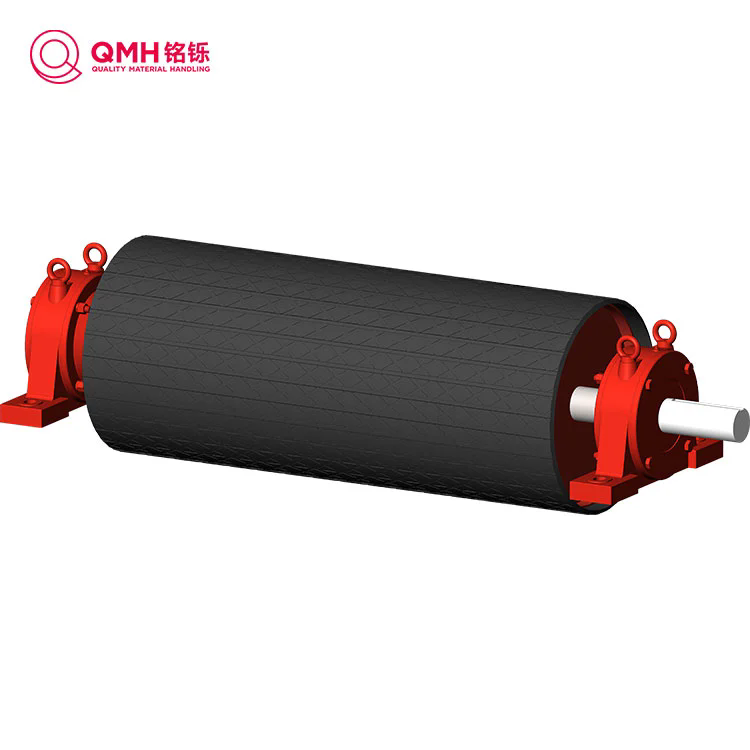
Table of Contents
- Overview of Drive Pulley Functions
- Common Problems Caused by Improper Drive Pulley Selection
- Key Factors to Consider When Choosing a Drive Pulley
- Drive Pulley Types and Typical Applications
- Material Options and Performance Comparison
- Installation and Maintenance Best Practices
- Frequently Asked Questions
- Conclusion and Professional Support
Overview of Drive Pulley Functions
A drive pulley is designed to transmit mechanical power from a motor or engine to a driven component through belts, ropes, or chains. By converting rotational motion into controlled torque, the drive pulley ensures smooth and efficient energy transfer across a wide range of industrial systems.
Drive pulleys are commonly used in conveyors, mining equipment, packaging lines, agricultural machinery, and automated production systems. Their design directly influences load distribution, belt tracking accuracy, and overall system reliability.
Common Problems Caused by Improper Drive Pulley Selection
Many operational failures can be traced back to an incorrectly specified drive pulley. The most frequent challenges include:
- Belt slippage: Insufficient friction or incorrect pulley diameter reduces transmission efficiency.
- Excessive wear: Mismatched materials accelerate belt and bearing degradation.
- Vibration and noise: Poor balance or misalignment affects system stability.
- Unexpected downtime: Pulley failure often leads to costly production interruptions.
Understanding these risks highlights why careful drive pulley selection is essential rather than optional.
Key Factors to Consider When Choosing a Drive Pulley
To avoid performance issues, several technical parameters must be evaluated before selecting a drive pulley:
| Selection Factor | Description |
|---|---|
| Pulley Diameter | Determines belt speed, torque transmission, and bending stress. |
| Load Capacity | Must match system power requirements and operating conditions. |
| Surface Treatment | Lagging or coating improves grip and reduces slippage. |
| Shaft Compatibility | Ensures proper fit, alignment, and torque transfer. |
| Operating Environment | Temperature, moisture, and dust affect material choice. |
Careful evaluation of these parameters helps maintain stable operation and extends equipment service life.
Drive Pulley Types and Typical Applications
Different industrial scenarios require different drive pulley designs. Common types include:
- Flat drive pulleys: Used in light-duty transmission and textile machinery.
- V-belt pulleys: Provide higher torque capacity for general industrial use.
- Timing belt pulleys: Ensure precise synchronization in automated systems.
- Lagged drive pulleys: Enhance friction in heavy-load conveyor systems.
Each type addresses specific mechanical demands, making correct application matching critical.
Material Options and Performance Comparison
Material selection directly impacts strength, corrosion resistance, and service life. The most common materials include:
| Material | Advantages | Typical Applications |
|---|---|---|
| Carbon Steel | High strength, cost-effective | Heavy-duty conveyors, mining equipment |
| Stainless Steel | Corrosion resistance, hygiene compliance | Food processing, chemical industries |
| Aluminum Alloy | Lightweight, good thermal performance | Automation and precision machinery |
Professional manufacturers such as QMH offer customized material solutions to match demanding industrial conditions.
Installation and Maintenance Best Practices
Even the best drive pulley requires correct installation and regular maintenance to perform optimally:
- Ensure precise shaft alignment during installation.
- Verify belt tension according to manufacturer recommendations.
- Inspect pulley surfaces regularly for wear or damage.
- Schedule routine lubrication and bearing checks.
Proactive maintenance reduces failure risk and ensures consistent power transmission.
Frequently Asked Questions
What causes drive pulley slippage?
Slippage is usually caused by insufficient friction, improper belt tension, or worn pulley surfaces.
How often should a drive pulley be inspected?
Inspection intervals depend on operating conditions, but routine checks every three to six months are recommended.
Can a drive pulley be customized for specific equipment?
Yes. Reputable suppliers like QMH provide customized dimensions, materials, and surface treatments to meet exact requirements.
Conclusion and Professional Support
Choosing the right drive pulley is a strategic decision that affects efficiency, safety, and operating costs. By understanding functional requirements, material options, and maintenance principles, businesses can significantly reduce downtime and improve system reliability.
As an experienced provider, QMH delivers engineered drive pulley solutions tailored to diverse industrial applications. For technical consultation, customized designs, or performance optimization, contact us today to discuss how the right drive pulley can enhance your power transmission system.