

How to Choose and Use Electric Wire Effectively?
2025-12-23
Article Summary: This article provides an in-depth guide on Electric Wire, including types, specifications, applications, and installation techniques. Readers will gain comprehensive knowledge to make informed decisions when selecting, installing, and maintaining Electric Wire. Common questions are answered to clarify industry practices and usage standards.
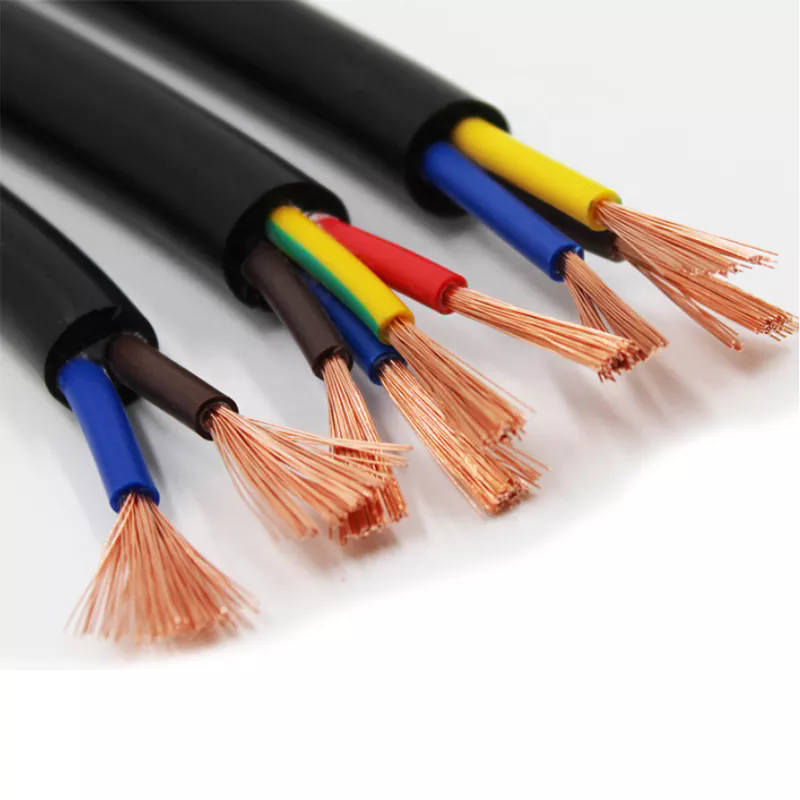
Table of Contents
- Node 1: Introduction to Electric Wire
- Node 2: Types and Specifications of Electric Wire
- Node 3: Installation Techniques and Safety Considerations
- Node 4: Common Questions and Practical Tips
Node 1: Introduction to Electric Wire
Electric wire is a fundamental component in electrical systems, facilitating the transmission of electrical current between devices, circuits, and power sources. Selecting the appropriate electric wire is crucial for ensuring safety, efficiency, and long-term reliability in residential, commercial, and industrial applications.
This article focuses on providing a detailed overview of electric wire, including core types, specifications, and professional selection criteria. It aims to answer common questions and provide guidance on installation, maintenance, and industry best practices.
Node 2: Types and Specifications of Electric Wire
Electric wires vary depending on their construction, insulation material, conductor type, and intended application. The main categories include:
| Parameter | Specification | Description |
|---|---|---|
| Conductor Material | Copper / Aluminum | Copper offers high conductivity; aluminum is lighter and cost-effective |
| Insulation Material | PVC, XLPE, Rubber | Provides electrical isolation and resistance to temperature, moisture, and chemicals |
| Voltage Rating | 300V – 1000V | Indicates the maximum safe operating voltage |
| Wire Gauge | AWG 12 – AWG 6 / mm² 2.5 – 16 | Specifies the cross-sectional area, affecting current capacity and resistance |
| Application | Residential, Industrial, Automotive | Defines the environment and type of usage |
Choosing the right type depends on factors such as current carrying capacity, mechanical strength, thermal resistance, and compliance with electrical standards.
How to Determine the Suitable Electric Wire for Your Project?
To select an appropriate electric wire, consider the following:
- Calculate the maximum load current to avoid overheating.
- Check environmental factors like temperature, moisture, and chemical exposure.
- Confirm compliance with local electrical standards and certifications.
- Consider mechanical durability for installations subject to vibration or physical stress.
- Verify insulation type and thickness to ensure proper protection and longevity.
Node 3: Installation Techniques and Safety Considerations
Proper installation of electric wire is essential for electrical safety and system efficiency. Following industry-standard techniques can prevent short circuits, fire hazards, and energy losses.
Step-by-Step Installation Guide
- Planning: Map out the wiring route and load requirements.
- Cutting and Stripping: Use wire cutters and strippers to prepare ends.
- Connections: Ensure secure connections using terminals, connectors, or soldering.
- Insulation: Apply additional insulation if required to prevent exposure.
- Testing: Use a multimeter to verify continuity, resistance, and voltage levels.
- Documentation: Label wires and maintain records for future maintenance.
Key Safety Considerations
- Always disconnect the power supply before working on wires.
- Use insulated tools and wear protective gear.
- Follow local electrical codes and regulations.
- Ensure proper grounding to avoid electrical shock.
- Avoid overloading circuits by adhering to current ratings.
Node 4: Common Questions and Practical Tips
Frequently Asked Questions about Electric Wire
Q1: How can I determine the correct wire gauge for my circuit?
A: The wire gauge depends on the maximum current load and length of the circuit. Using the American Wire Gauge (AWG) or metric cross-sectional area tables, calculate the required capacity while considering voltage drop over distance.
Q2: How to protect electric wires from environmental damage?
A: Choose insulation materials rated for environmental conditions, such as PVC for dry indoor use, XLPE for high temperature, and rubber for flexible applications. Additionally, conduit protection may be necessary for exposed installations.
Q3: How often should electric wires be inspected or replaced?
A: Regular inspection is recommended every 2–3 years for residential use and annually for industrial applications. Signs of wear, discoloration, or insulation cracking indicate immediate replacement to prevent hazards.
Practical Tips for Long-Term Usage
- Use color-coded wires for easy identification.
- Secure wires using clips or conduits to prevent mechanical damage.
- Avoid sharp bends to maintain conductor integrity.
- Keep wires away from heat sources or chemical exposure.
- Maintain proper labeling for circuits to facilitate maintenance and troubleshooting.
DAYA provides a wide range of high-quality electric wires suitable for industrial, commercial, and residential applications. With advanced manufacturing standards, DAYA ensures safety, durability, and compliance with international certifications. For further inquiries or personalized solutions, contact us today to discuss your electric wire needs.