Article Abstract
A lawn mower is one of the most essential tools for maintaining a healthy, clean, and visually appealing outdoor space. However, many users face common challenges such as selecting the right type, handling uneven terrain, dealing with poor cutting performance, and maintaining long-term durability. This article provides a comprehensive, practical guide to help homeowners, landscapers, and commercial users understand how to choose, operate, and maintain a lawn mower effectively. It also highlights key buying considerations, troubleshooting tips, and long-term care strategies to ensure optimal performance and reduced maintenance costs.
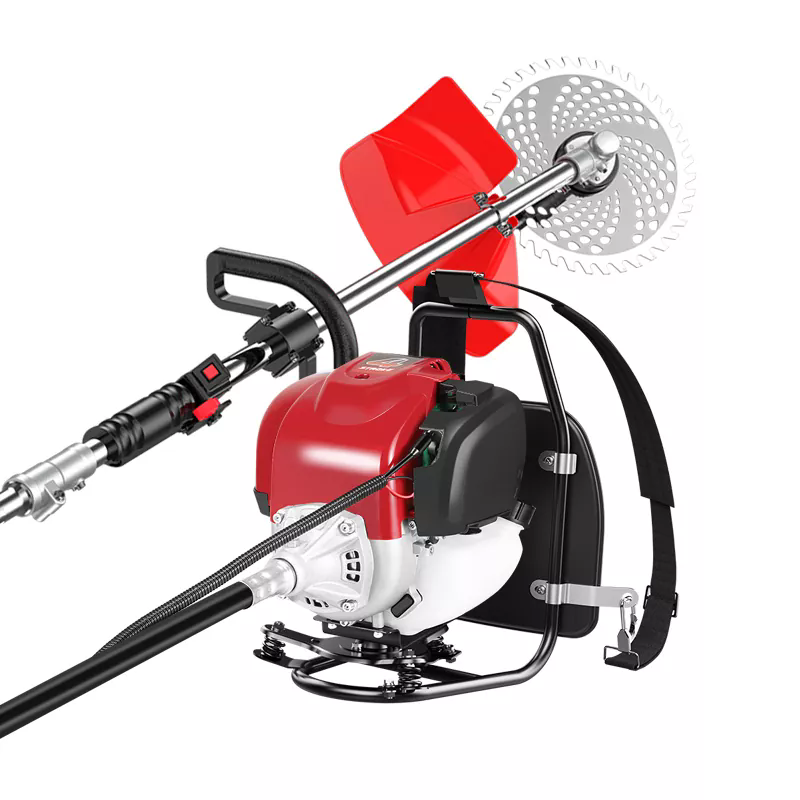
1. Understanding Lawn Mower Types
Before purchasing a lawn mower, it is crucial to understand the different types available in the market. Each type is designed for specific lawn sizes, terrains, and user requirements.
-
Push Reel Mowers: Eco-friendly and ideal for small lawns. They require manual effort but offer precision cutting.
-
Electric Lawn Mowers: Lightweight, low-noise, and suitable for medium-sized yards with easy access to power sources.
-
Gas-Powered Mowers: High performance and suitable for large or uneven terrains but require more maintenance.
-
Robotic Mowers: Fully automated solutions for users seeking convenience and smart lawn management.
Each mower type has advantages and limitations, making it essential to evaluate your yard conditions before making a decision.
2. How to Choose the Right Lawn Mower
Selecting the right lawn mower depends on several practical factors. Buyers often make mistakes by focusing only on price rather than long-term usability and performance.
-
Lawn Size: Small lawns require compact mowers, while large areas need high-powered machines.
-
Terrain Type: Flat lawns can use basic models, but sloped or uneven terrain needs strong traction systems.
-
Cutting Width: Wider cutting decks reduce mowing time significantly.
-
Power Source: Electric, battery, or gasoline options should be chosen based on convenience and energy availability.
-
Storage Space: Foldable or compact models are better for limited storage areas.
Understanding these factors helps prevent unnecessary repair costs and ensures long-term satisfaction.
3. Key Features You Should Consider
Modern lawn mowers come with advanced features that improve efficiency and user experience. Below are the most important ones:
-
Adjustable cutting height for different grass types
-
Self-propelled driving system for reduced physical effort
-
Large grass collection bags for fewer interruptions
-
Mulching capability to recycle grass into nutrients
-
Ergonomic handles for better comfort and control
Investing in these features ensures smoother operation and better lawn health over time.
4. Maintenance and Care Guide
Proper maintenance is essential for extending the lifespan of any lawn mower. Neglecting routine care often leads to reduced performance and costly repairs.
-
Clean the blade and deck after every use
-
Sharpen blades regularly to ensure clean cuts
-
Check oil levels for gas-powered mowers
-
Inspect battery health for electric models
-
Store in a dry environment to avoid rust and corrosion
A well-maintained mower not only performs better but also consumes less energy and reduces operational strain.
5. Common Problems and Solutions
Users frequently encounter operational issues with lawn mowers. Below are some common problems and practical solutions:
-
Uneven Cutting: Usually caused by dull blades or uneven deck height.
-
Engine Won’t Start: Check fuel quality, battery charge, or spark plug condition.
-
Excessive Vibration: Indicates loose components or unbalanced blades.
-
Clogged Grass Discharge: Clean the chute and avoid cutting wet grass.
6. Safety Guidelines for Lawn Mower Operation
Safety should always be a top priority when operating any lawn mowing equipment. Improper handling can lead to serious injuries or equipment damage.
-
Always wear protective eyewear and gloves
-
Remove stones and debris before mowing
-
Never operate on wet or slippery surfaces
-
Keep children and pets away from the mowing area
-
Turn off the engine before performing maintenance
7. Lawn Mower Comparison Table
|
Type
|
Best For
|
Power Source
|
Maintenance Level
|
Noise Level
|
|
Push Reel
|
Small lawns
|
Manual
|
Low
|
Very Low
|
|
Electric
|
Medium lawns
|
Electricity
|
Low
|
Low
|
|
Gas-Powered
|
Large lawns
|
Fuel
|
High
|
High
|
|
Robotic
|
Smart automation
|
Battery
|
Medium
|
Very Low
|
8. Why Choose Woerxing Lawn Mowers
Woerxing is committed to delivering high-performance lawn care solutions designed for both residential and commercial users. With a strong focus on engineering precision and durability, Woerxing lawn mowers are built to handle diverse terrain conditions while maintaining consistent cutting efficiency.
Compared to standard models, Woerxing products emphasize:
-
Enhanced cutting blade technology for cleaner results
-
Improved fuel and energy efficiency systems
-
Reinforced frame structure for longer service life
-
User-friendly ergonomic design for reduced fatigue
More product details can be explored on the official product page: https://www.woerxingtool.com/lawn-mower, where specifications and configurations are presented for different application needs.
9. Final Thoughts
Choosing the right lawn mower is not just about cutting grass—it is about ensuring efficiency, durability, and long-term landscape health. By understanding mower types, evaluating key features, and following proper maintenance practices, users can significantly improve performance and reduce operational issues.
Whether for home gardens or professional landscaping projects, selecting a reliable brand like Woerxing ensures consistent results and long-term value.
Ready to upgrade your lawn care experience? Contact Woerxing today for professional guidance, product details, and tailored solutions. contact us now to get started.