

How Solar Carport Mounting System Maximizes Energy and Space Efficiency
2026-05-06
Abstract
As businesses and property owners seek practical ways to integrate renewable energy without sacrificing valuable land, the Solar Carport Mounting System has emerged as a high-impact solution. This article explores how these systems work, their structural and financial advantages, and how they solve common customer concerns such as space limitations, return on investment, and durability. By understanding the design logic and implementation strategy, decision-makers can confidently adopt solar carports to enhance both sustainability and asset value.
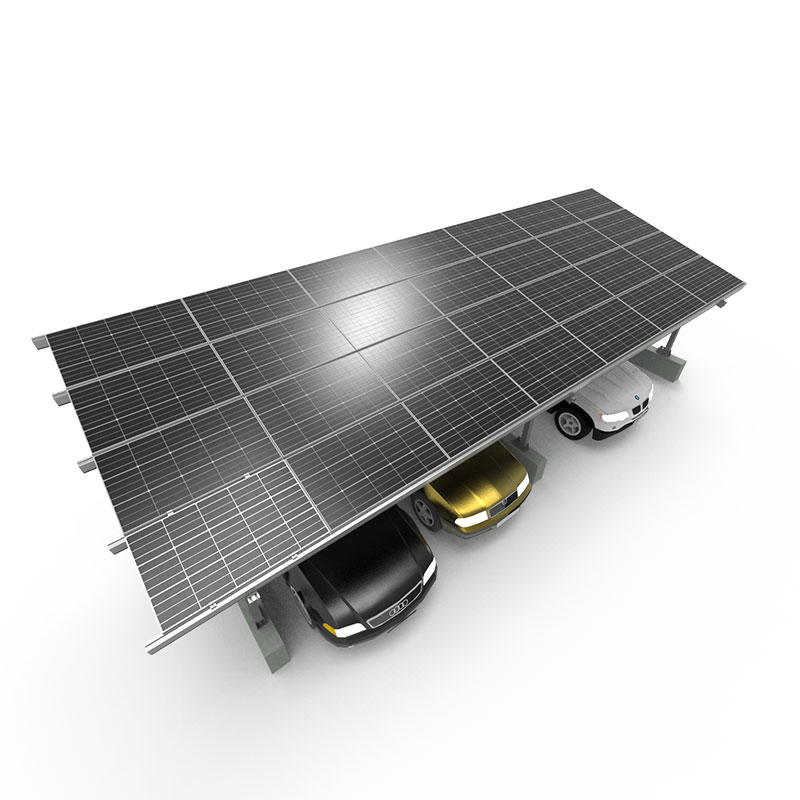
Table of Contents
- 1. What Is a Solar Carport Mounting System?
- 2. How Does It Work?
- 3. Key Benefits for Property Owners
- 4. Common Customer Pain Points Solved
- 5. Design and Engineering Considerations
- 6. Cost vs Value Analysis
- 7. Installation Workflow
- 8. Why Choose CYC Energy
- 9. FAQ
1. What Is a Solar Carport Mounting System?
A Solar Carport Mounting System is a structural framework designed to support photovoltaic (PV) panels above parking spaces. Unlike traditional rooftop or ground-mounted systems, it transforms underutilized parking areas into energy-generating assets. These systems typically consist of steel or aluminum frameworks engineered to withstand environmental loads such as wind, snow, and seismic activity.
Instead of consuming additional land, solar carports leverage existing infrastructure, making them particularly attractive for commercial facilities, shopping centers, industrial parks, and institutions.
2. How Does It Work?
The operational principle is straightforward yet highly efficient. Solar panels mounted on the carport structure capture sunlight and convert it into electricity via photovoltaic cells. This electricity is then routed through inverters to be used on-site or fed into the grid.
- Solar panels absorb sunlight and generate DC electricity
- Inverters convert DC into usable AC power
- Power is distributed to buildings or stored in batteries
- Optional EV charging stations can be integrated
The elevated structure also provides shade and protection for vehicles, offering dual functionality that increases overall utility.
3. Key Benefits for Property Owners
| Benefit | Description |
|---|---|
| Space Optimization | Utilizes parking areas without requiring additional land |
| Energy Savings | Reduces electricity bills through on-site generation |
| Vehicle Protection | Shields cars from sun, rain, and snow |
| Increased Property Value | Enhances sustainability profile and market appeal |
| EV Integration | Supports electric vehicle charging infrastructure |
These advantages make solar carports a strategic investment rather than just an environmental initiative.
4. Common Customer Pain Points Solved
1. Limited Installation Space
Traditional solar installations often require large rooftops or open land. Solar carports eliminate this issue by utilizing existing parking areas.
2. High Energy Costs
By generating clean electricity on-site, businesses can significantly reduce dependency on grid power and stabilize energy expenses.
3. Poor ROI Concerns
Although initial costs may be higher than rooftop systems, the dual-use nature (energy + shelter) improves long-term returns.
4. Durability and Maintenance
Modern systems are engineered with corrosion-resistant materials and minimal maintenance requirements, ensuring long operational life.
5. Design and Engineering Considerations
A well-designed Solar Carport Mounting System must account for multiple engineering factors:
- Wind load and snow load compliance
- Optimal tilt angle for maximum solar exposure
- Drainage and waterproofing systems
- Structural integrity and foundation type
- Electrical routing and safety standards
Advanced designs also incorporate aesthetic elements, ensuring that the installation complements the surrounding architecture rather than detracting from it.
6. Cost vs Value Analysis
| Factor | Solar Carport | Traditional Ground Mount |
|---|---|---|
| Initial Cost | Higher | Moderate |
| Land Usage | None (uses parking space) | Requires dedicated land |
| Additional Benefits | Vehicle protection + EV integration | Energy generation only |
| ROI Potential | High (multi-functional) | Moderate |
While upfront investment is a concern for many buyers, the long-term financial and operational benefits often outweigh initial costs.
7. Installation Workflow
- Site assessment and feasibility analysis
- Custom engineering design
- Permitting and regulatory approvals
- Foundation and structural installation
- Solar panel and electrical system integration
- Testing and commissioning
A streamlined workflow ensures minimal disruption to daily operations, especially in commercial environments.
8. Why Choose CYC Energy
CYC Energy specializes in high-performance Solar Carport Mounting Systems designed for durability, efficiency, and scalability. With a focus on precision engineering and customer-centric solutions, the company delivers systems tailored to diverse project requirements.
- Advanced structural design for long-term reliability
- Customizable configurations for various parking layouts
- Integration with EV charging and smart energy systems
- Professional technical support throughout the project lifecycle
By choosing CYC Energy, clients gain a partner committed to maximizing both energy output and infrastructure value.
9. FAQ
Q1: Are solar carports suitable for small businesses?
Yes, they can be scaled to fit small parking areas while still delivering meaningful energy savings.
Q2: How long does installation take?
Depending on project size, installation typically ranges from a few weeks to several months.
Q3: Do solar carports require frequent maintenance?
No, they are designed for low maintenance, with periodic inspections and cleaning being sufficient.
Q4: Can they support EV charging stations?
Yes, many systems are designed with integrated EV charging capabilities.
Q5: What is the lifespan of a solar carport system?
Most systems are built to last 25 years or more, aligning with the lifespan of solar panels.
Conclusion
Solar Carport Mounting Systems represent a strategic convergence of energy generation, infrastructure optimization, and sustainability. They address critical challenges such as space constraints and rising energy costs while delivering long-term financial and environmental value. With the expertise of CYC Energy, businesses can confidently transition to smarter energy solutions that maximize both efficiency and return on investment.
Ready to transform your parking space into a powerful energy asset? Contact us today to explore customized Solar Carport Mounting System solutions tailored to your needs.