

How Does LTE Radio Improve Modern Wireless Communication?
2026-04-16
Abstract: LTE radio technology has become a critical foundation for fast, stable, and scalable wireless communication across industries. From industrial automation and transportation systems to public safety networks and remote monitoring, LTE radio delivers reliable broadband connectivity with lower latency and stronger mobility support than legacy systems. This article explains how LTE radio works, why businesses choose it, and how to solve common deployment challenges when selecting the right LTE radio solution.
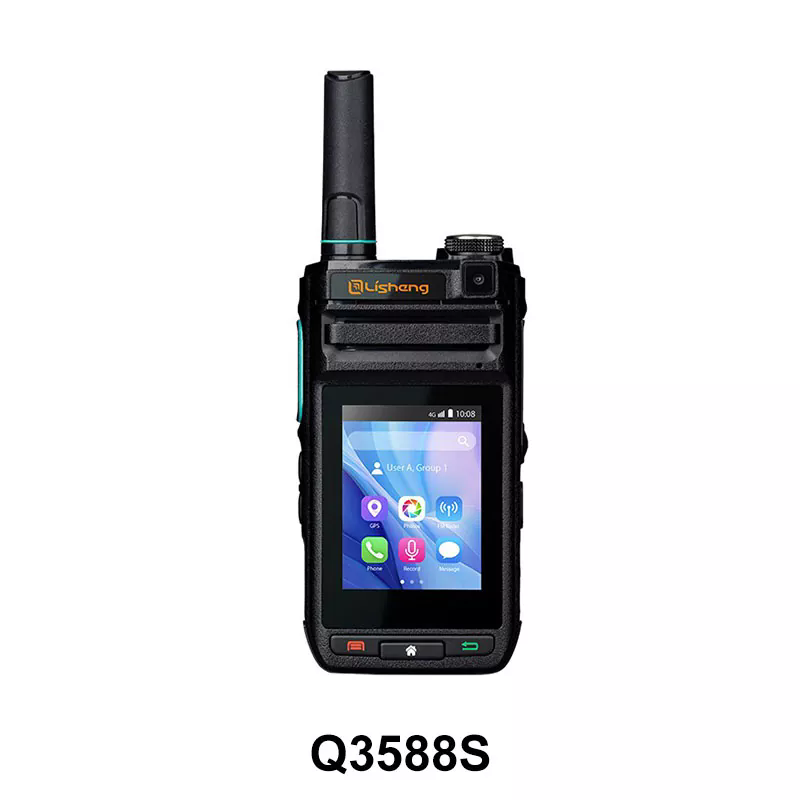
Table of Contents
What Is LTE Radio?
LTE Radio is a wireless communication device that uses Long-Term Evolution technology to transmit voice, video, and data over broadband cellular networks. Unlike analog or narrowband digital radios, LTE radios support high-speed IP-based communication, enabling real-time multimedia exchange and wider coverage flexibility.
These radios are increasingly adopted in sectors where uninterrupted communication is mission-critical, such as logistics, utilities, transportation, mining, emergency response, and smart city infrastructure.
Compared with traditional systems, LTE radio offers stronger bandwidth capacity, better spectrum efficiency, and seamless integration with existing network ecosystems.
How Does LTE Radio Work?
LTE radio converts voice and data into packet-based digital signals and transmits them over cellular LTE infrastructure. Instead of relying solely on local repeater towers, LTE radios connect through carrier networks or private LTE systems, making communication less dependent on geographic repeater limitations.
- Signal is digitized and encoded into data packets
- Packets are transmitted through LTE network base stations
- Receiving radios decode and reconstruct the communication instantly
- Cloud dispatch platforms may manage centralized communication routing
This architecture enables nationwide or even global communication without the range restrictions found in conventional two-way radio systems.
Key Benefits of LTE Radio for Businesses
| Benefit | Description |
|---|---|
| Wide Coverage | Operates across regional and national LTE networks without repeater dependency |
| Low Latency | Supports near real-time communication for urgent operations |
| Multimedia Support | Allows voice, GPS, video streaming, and data transfer simultaneously |
| Scalability | Easy expansion without costly infrastructure rebuilds |
| Remote Management | Devices can be updated and monitored remotely |
Businesses adopting LTE radio reduce downtime, improve workforce coordination, and gain better operational visibility across dispersed teams.
Common LTE Radio Applications
LTE radio systems are widely used in industries that require instant and reliable communication:
- Public transportation fleet coordination
- Construction site communication
- Warehouse and logistics operations
- Emergency rescue and disaster response
- Oil, gas, and mining field communication
- Security patrol and surveillance teams
For example, dispatch managers can track vehicle positions in real time while communicating with field teams using integrated GPS-enabled LTE radios.
LTE Radio vs Traditional Radio Systems
| Feature | LTE Radio | Traditional Radio |
|---|---|---|
| Coverage Range | Nationwide / Global | Limited by repeater range |
| Data Transmission | High-speed multimedia capable | Mostly voice only |
| Infrastructure Cost | Lower setup cost | Requires repeater investment |
| Mobility | Excellent roaming capability | Restricted handoff flexibility |
How to Choose the Right LTE Radio
When selecting LTE radio equipment, buyers should evaluate several factors carefully:
- Network compatibility with carrier bands
- Battery endurance for long shifts
- Audio clarity in noisy environments
- Ruggedness rating (IP certification)
- GPS and dispatch software integration
- Firmware upgrade support
Lisheng offers professional LTE radio solutions designed for industrial-grade durability and scalable enterprise communication. Businesses requiring secure, reliable, and flexible communication systems often prioritize models that combine broadband performance with rugged field reliability.
For detailed product specifications, visit: https://www.lishengradio.com/lte-radio.html
Common Problems and Solutions
Problem 1: Weak LTE Signal in Remote Areas
Solution: Choose devices supporting multi-band LTE and external antenna compatibility.
Problem 2: Battery Drain During Extended Use
Solution: Select high-capacity battery models with intelligent power-saving modes.
Problem 3: Network Congestion Delays
Solution: Deploy private LTE networks for mission-critical communication where needed.
Problem 4: Integration Complexity
Solution: Use LTE radios compatible with cloud dispatch and API-ready platforms.
FAQ
1. Can LTE radios work without traditional repeater towers?
Yes. LTE radios operate over cellular networks, reducing dependency on local repeaters.
2. Are LTE radios suitable for emergency services?
Absolutely. Their wide coverage and multimedia capabilities make them ideal for emergency coordination.
3. Do LTE radios support group calling?
Yes. Most professional LTE radios support one-to-one, group, and broadcast communication modes.
4. How secure is LTE radio communication?
Modern LTE radios often include encryption protocols for secure voice and data transfer.
5. What industries benefit most from LTE radio?
Transportation, logistics, utilities, public safety, and industrial operations benefit significantly.
Conclusion
LTE radio is transforming enterprise communication by delivering broader coverage, stronger connectivity, and smarter operational control. As industries demand faster and more integrated communication tools, LTE radio has become the preferred choice for scalable wireless infrastructure.
If your organization is planning to upgrade communication systems, Lisheng can help you find dependable LTE radio solutions tailored to your operational needs. Contact us today to discuss the right LTE radio system for your business and improve your communication efficiency with confidence.