

How Does Laser Tattoo Removal Work?
2026-03-04
Article Summary
Laser tattoo removal has become the most widely accepted method for safely reducing or eliminating unwanted tattoos. By using advanced laser technology to break down ink particles beneath the skin, this treatment offers a non-surgical solution with controlled precision and predictable outcomes.
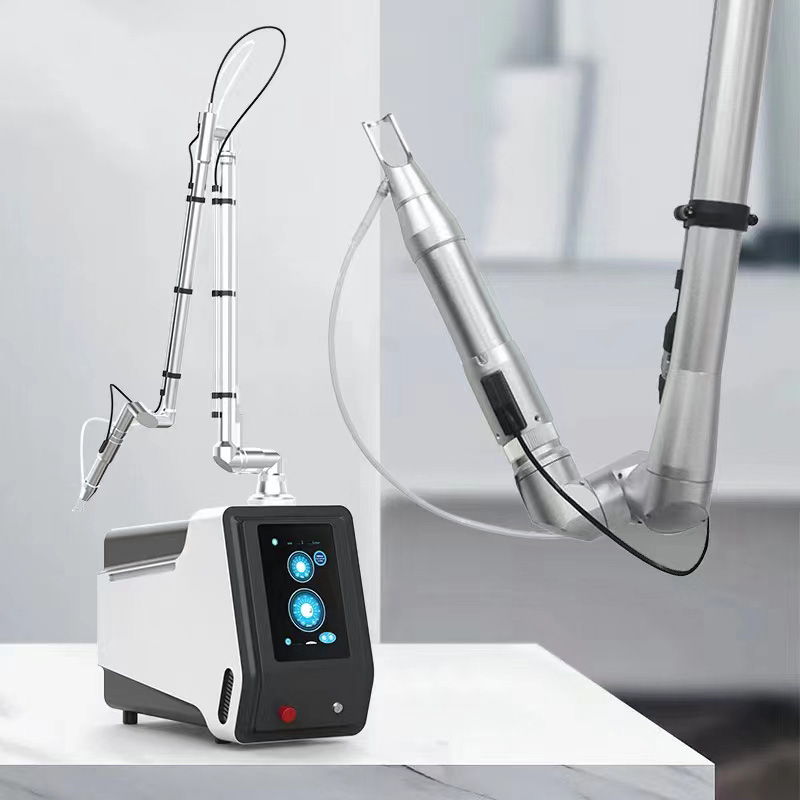
Table of Contents
- Laser Tattoo Removal Overview
- Common Patient Pain Points
- How Laser Tattoo Removal Works
- Laser Technologies Used
- Key Factors Affecting Results
- Laser Tattoo Removal Comparison Table
- Safety and Skin Protection
- Treatment Process and Expectations
- Frequently Asked Questions
- Conclusion and Contact Us
Laser Tattoo Removal Overview
Laser tattoo removal is a medical aesthetic procedure designed to fade or remove tattoos by targeting ink pigments embedded in the dermis. Unlike creams or abrasive methods, laser technology penetrates the skin without damaging surrounding tissue, making it the preferred option for both cosmetic clinics and dermatology centers.
The effectiveness of laser tattoo removal lies in its ability to selectively target ink particles while allowing the body’s immune system to naturally eliminate fragmented pigment over time. Xiamen ELOS develops advanced laser systems engineered to deliver stable energy output, precise wavelength control, and consistent clinical performance.
Common Patient Pain Points
Patients seeking laser tattoo removal often share similar concerns before starting treatment. Addressing these issues early helps establish realistic expectations.
- Fear of pain during treatment
- Uncertainty about complete tattoo removal
- Risk of scarring or skin damage
- Long treatment timelines
- High treatment costs
- Effectiveness on different ink colors
Understanding the technology behind laser tattoo removal helps clarify why outcomes vary and how professional equipment can significantly reduce risks.
How Laser Tattoo Removal Works
Laser tattoo removal operates on the principle of selective photothermolysis. High-intensity laser pulses are absorbed by tattoo ink pigments, causing them to rapidly heat and shatter into microscopic particles.
Once broken down, these particles are gradually cleared by the body’s lymphatic system over several weeks. This process explains why tattoo removal requires multiple sessions rather than producing instant results.
Modern laser systems from Xiamen ELOS are designed to deliver ultra-short pulse durations, maximizing ink fragmentation while minimizing thermal damage to surrounding skin.
Laser Technologies Used
Different laser technologies are used depending on tattoo color, depth, and skin type. Each technology offers specific advantages.
- Q-Switched Lasers – Effective for dark and stubborn ink pigments
- Picosecond Lasers – Shorter pulse duration for faster ink breakdown
- Multiple Wavelength Systems – Target a wider range of ink colors
Professional clinics often rely on multi-wavelength platforms to treat complex, multi-colored tattoos with higher efficiency.
Key Factors Affecting Results
Laser tattoo removal results are influenced by both technical and biological variables. Evaluating these factors ensures more predictable outcomes.
- Tattoo age and ink density
- Ink color and chemical composition
- Skin type and healing response
- Laser wavelength and pulse duration
- Operator experience and treatment protocol
High-quality laser equipment plays a critical role in controlling these variables and reducing the number of required sessions.
Laser Tattoo Removal Comparison Table
| Laser Type | Best For | Advantages | Limitations |
|---|---|---|---|
| Q-Switched | Black and dark inks | Proven reliability | Longer treatment course |
| Picosecond | Multi-color tattoos | Fewer sessions | Higher equipment cost |
| Multi-Wavelength | Complex designs | Versatile application | Requires skilled operation |
Safety and Skin Protection
Safety is a primary consideration in laser tattoo removal. Proper energy settings, cooling systems, and treatment intervals are essential to protect the skin.
Advanced systems from Xiamen ELOS integrate intelligent energy control and skin protection mechanisms, reducing the risk of burns, hyperpigmentation, and scarring when used correctly.
Treatment Process and Expectations
A typical laser tattoo removal treatment follows a structured process:
- Initial consultation and skin assessment
- Laser parameter customization
- Controlled laser application
- Post-treatment care guidance
- Scheduled follow-up sessions
Patients should expect gradual fading rather than immediate removal, with visible improvement after each session.
Frequently Asked Questions
Is laser tattoo removal painful?
Most patients describe the sensation as tolerable, often compared to a rubber band snap. Cooling systems help reduce discomfort.
Can all tattoo colors be removed?
Darker colors respond best, while lighter pigments may require advanced wavelengths.
How many sessions are needed?
The number varies based on ink density, color, and individual response.
Will laser tattoo removal leave scars?
When performed with professional equipment and proper technique, scarring risk is minimal.
Conclusion and Contact Us
Laser tattoo removal offers a scientifically proven and clinically accepted solution for unwanted tattoos. By understanding how the technology works and what factors influence outcomes, patients and clinics alike can make informed decisions and achieve safer, more effective results.
Xiamen ELOS is dedicated to providing reliable, high-performance laser tattoo removal systems for professional medical and aesthetic applications. If you are exploring advanced laser solutions or looking to upgrade your clinic’s capabilities, contact us today to learn how Xiamen ELOS can support your business growth and treatment success.