

How Does CD Player Aesthetic Influence Modern Listening Spaces?
2026-01-22
Article Abstract
CD players have re-emerged as more than functional audio devices. In contemporary homes, studios, and personal spaces, the CD Player Aesthetic plays a decisive role in how users experience music, interact with physical media, and shape their environment. This article examines how design, materials, form, and visual harmony influence purchasing decisions and daily use. It addresses common user concerns such as visual compatibility, usability, durability, and emotional connection, offering practical guidance for selecting an aesthetically aligned CD player without sacrificing performance.
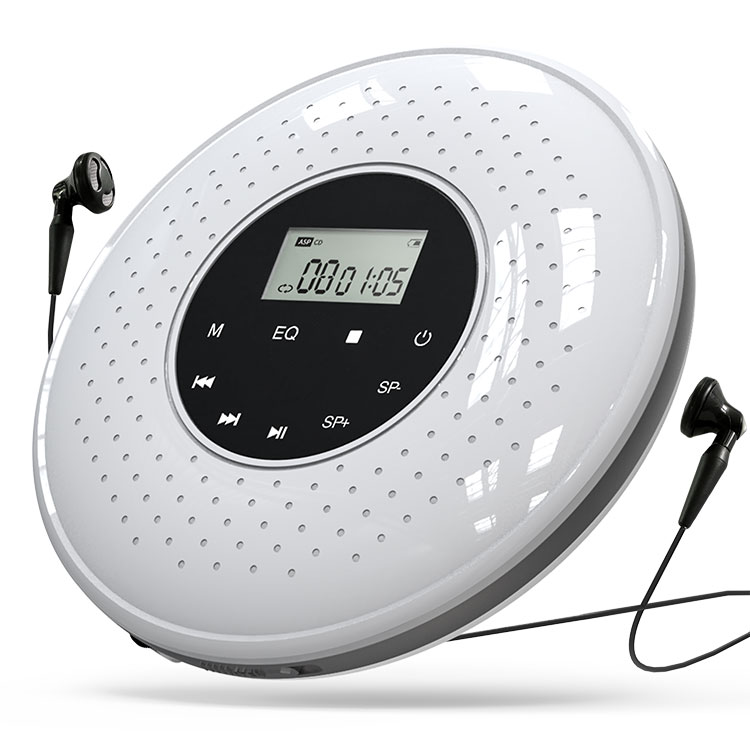
Table of Contents
- Understanding the Concept of CD Player Aesthetic
- Why Visual Design Matters in Audio Equipment
- Key Design Elements That Define CD Player Aesthetic
- Functional Design vs. Decorative Appeal
- How CD Player Aesthetic Solves Common User Pain Points
- Popular Aesthetic Styles in Modern CD Players
- Practical Selection Guide for Different Use Scenarios
- Comparison Table: Aesthetic Features and User Value
- Frequently Asked Questions
- Conclusion and Next Steps
Outline
- Definition and evolution of CD player aesthetics
- Relationship between design, emotion, and usability
- Core visual and structural elements
- User-centric problem solving through design
- Actionable guidance for buyers and distributors
Understanding the Concept of CD Player Aesthetic
The term CD Player Aesthetic refers to the visual and tactile qualities that define how a CD player looks, feels, and integrates into a physical space. This includes shape, color palette, surface finish, interface layout, and even the way the disc itself is displayed during playback. Unlike purely technical specifications, aesthetic attributes influence emotional satisfaction and long-term attachment to the product.
As digital streaming dominates convenience, CD players increasingly appeal to users who value physical ownership, intentional listening, and visual harmony. A well-designed CD player becomes part of interior décor rather than an object that needs to be hidden.
Why Visual Design Matters in Audio Equipment
Many users face a common dilemma: high-performing audio equipment often appears bulky, outdated, or visually intrusive. The CD Player Aesthetic directly addresses this issue by aligning sound performance with modern design expectations.
- Enhances the perceived quality and value of the product
- Reduces visual clutter in minimalist environments
- Encourages consistent use rather than storage
- Creates emotional engagement beyond sound output
For residential users, a visually balanced CD player complements furniture and lighting. For commercial or creative spaces, it reinforces brand identity and atmosphere.
Key Design Elements That Define CD Player Aesthetic
Several structural and visual factors contribute to a cohesive CD Player Aesthetic. Understanding these elements helps users make informed decisions.
- Form Factor: Slim, vertical, wall-mounted, or transparent designs reduce spatial intrusion.
- Material Selection: Aluminum, acrylic, tempered glass, and matte plastics convey different visual tones.
- Color Strategy: Neutral tones support longevity, while bold colors create focal points.
- Interface Layout: Minimal buttons and intuitive controls improve clarity and visual calm.
- Disc Visibility: Exposed spinning discs add kinetic visual interest.
Functional Design vs. Decorative Appeal
A frequent concern among buyers is whether an aesthetically pleasing CD player compromises usability. In well-engineered products, design and function reinforce each other rather than compete.
An effective CD Player Aesthetic:
- Supports easy disc loading and removal
- Maintains clear display readability
- Ensures stable placement and vibration control
- Allows intuitive operation without visual overload
Manufacturers such as TOMPIRE focus on balancing clean visual presentation with reliable mechanical performance, ensuring that design enhances rather than obstructs daily use.
How CD Player Aesthetic Solves Common User Pain Points
Modern users often express frustration with audio devices that feel disconnected from their lifestyle. The CD Player Aesthetic addresses these issues directly.
-
Pain Point: Devices look outdated.
Solution: Contemporary materials and geometric forms align with modern interiors. -
Pain Point: Limited placement options.
Solution: Compact or wall-mounted designs increase flexibility. -
Pain Point: Poor interaction experience.
Solution: Simplified interfaces reduce cognitive load. -
Pain Point: Lack of emotional value.
Solution: Visible mechanics and thoughtful design create engagement.
Popular Aesthetic Styles in Modern CD Players
Different aesthetic directions cater to distinct user preferences and environments.
- Minimalist: Clean lines, monochrome finishes, discreet controls.
- Retro-Inspired: Rounded edges, analog indicators, nostalgic color schemes.
- Industrial: Exposed components, metallic textures, mechanical expression.
- Art-Oriented: Transparent housings and visually dynamic disc motion.
Practical Selection Guide for Different Use Scenarios
Choosing the right CD Player Aesthetic depends on context. The following guidance supports practical decision-making.
- Home Living Rooms: Prioritize visual harmony and quiet operation.
- Bedrooms or Study Areas: Focus on compact size and calming design.
- Retail or Display Spaces: Select visually striking models that attract attention.
- Gifting Purposes: Neutral aesthetics with universal appeal reduce risk.
Comparison Table: Aesthetic Features and User Value
| Aesthetic Feature | User Benefit | Application Scenario |
|---|---|---|
| Transparent Design | Visual engagement and uniqueness | Creative studios, modern homes |
| Wall-Mounted Structure | Space efficiency | Small apartments |
| Minimal Button Layout | Ease of use | Daily listening |
| Neutral Color Palette | Long-term compatibility | Interior-focused environments |
Frequently Asked Questions
Q: Does CD Player Aesthetic affect sound quality?
A: Visual design does not inherently reduce audio performance when structural integrity and component layout are properly engineered.
Q: Are aesthetically designed CD players less durable?
A: Durability depends on materials and construction quality, not appearance alone.
Q: Is a visually minimal CD player harder to operate?
A: In most cases, simplified interfaces improve usability rather than hinder it.
Q: Can an aesthetic CD player fit professional environments?
A: Yes, many designs are specifically created for studios, offices, and commercial displays.
Conclusion and Next Steps
The CD Player Aesthetic has become a defining factor in how users reconnect with physical music formats. By integrating visual harmony, functional clarity, and emotional engagement, modern CD players move beyond basic playback devices and become intentional design elements. Companies like TOMPIRE continue to refine this balance, offering solutions that align with contemporary lifestyles while respecting the timeless appeal of CDs.
For businesses, distributors, and individual buyers seeking products that combine visual identity with reliable performance, exploring well-designed CD players is a strategic choice. To learn more about available options, customization possibilities, or distribution opportunities, contact us and begin a conversation tailored to your specific needs.