Abstract: Analog Radio Walkie Talkie systems remain one of the most dependable communication tools in industries where instant, stable, and long-range voice transmission is critical. Despite the rise of digital alternatives, analog systems continue to dominate in construction, logistics, security, and outdoor operations due to their simplicity, low latency, and strong interference tolerance. This article explores how Analog Radio Walkie Talkie technology works, its practical advantages, limitations, selection criteria, and maintenance strategies, helping users make informed purchasing and operational decisions.
1. Overview of Analog Radio Walkie Talkie Technology
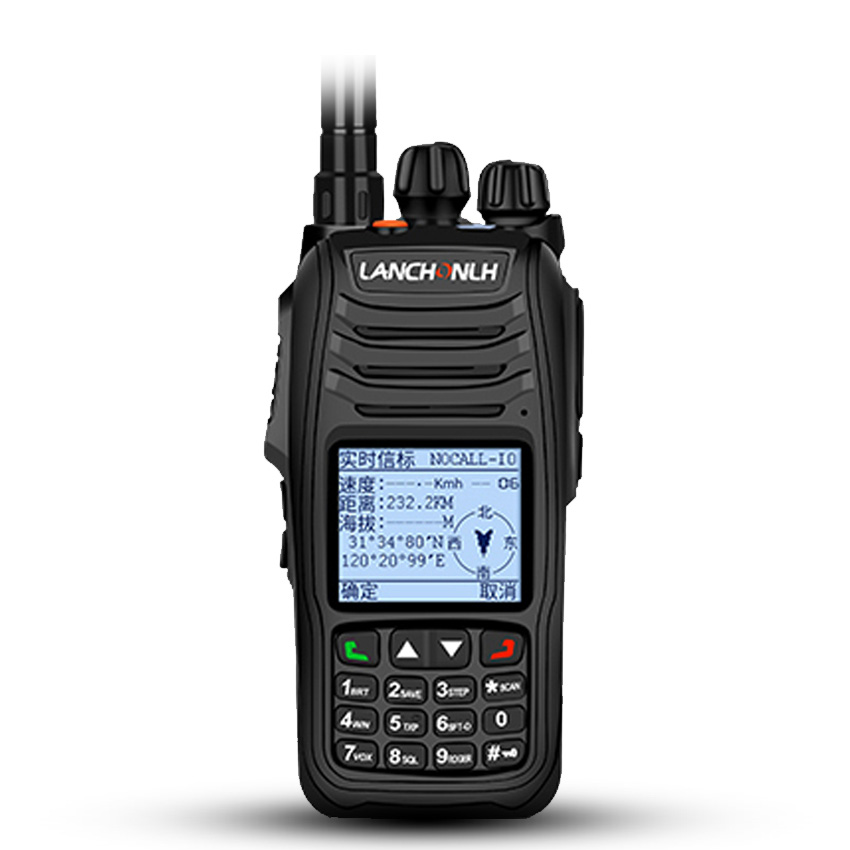
An Analog Radio Walkie Talkie is a two-way communication device that transmits voice signals using continuous radio waves. Unlike digital systems that convert voice into binary data, analog devices directly modulate sound into radio frequency signals. This makes communication extremely fast and intuitive, which is essential in time-sensitive environments.
Industries such as construction, warehouse management, event security, and transportation still rely heavily on analog systems because they provide consistent coverage, minimal setup complexity, and cost efficiency.
2. How Analog Radio Walkie Talkie Works
The working principle of an Analog Radio Walkie Talkie is based on frequency modulation (FM) or amplitude modulation (AM). When a user speaks into the device, the microphone converts sound waves into electrical signals. These signals are then transmitted as continuous radio waves through a selected frequency channel.
On the receiving end, another walkie talkie tuned to the same frequency captures the signal and converts it back into audio. This near-instant transmission makes analog systems highly responsive.
Key operational steps include:
-
Voice capture via microphone
-
Signal modulation into radio frequency
-
Transmission through antenna
-
Reception by matched frequency device
-
Audio reconstruction through speaker
3. Core Features and Technical Characteristics
Analog Radio Walkie Talkie devices are designed for durability and simplicity. Below are the most important features:
|
Feature
|
Description
|
Benefit
|
|
Low Latency
|
Immediate voice transmission without processing delay
|
Real-time communication
|
|
Wide Compatibility
|
Works across multiple analog devices and brands
|
Easier integration
|
|
Strong Signal Penetration
|
Can pass through obstacles like walls and steel structures
|
Reliable indoor/outdoor use
|
|
Simple Operation
|
Push-to-talk functionality
|
Easy for non-technical users
|
These characteristics make analog devices particularly valuable in environments where communication failure is not an option.
4. Key Applications Across Industries
Analog Radio Walkie Talkie systems are widely used in various industries due to their robustness and affordability:
-
Construction Sites: Coordinating workers across noisy and large environments
-
Security Services: Real-time incident reporting and coordination
-
Warehousing & Logistics: Inventory movement and forklift coordination
-
Outdoor Events: Stage management and crowd control
-
Transportation: Fleet communication and dispatch operations
In each of these environments, reliable communication directly impacts operational efficiency and safety.
5. Analog vs Digital Communication Systems
While digital radios offer enhanced features like encryption and clearer audio, analog systems remain relevant due to their simplicity and resilience.
|
Aspect
|
Analog System
|
Digital System
|
|
Audio Quality
|
More natural but susceptible to noise
|
Clear and noise-filtered
|
|
Latency
|
Near zero delay
|
Slight processing delay
|
|
Cost
|
Lower
|
Higher
|
|
Compatibility
|
High across devices
|
Limited to digital systems
|
For organizations prioritizing affordability and immediate communication, analog remains a practical choice.
6. How to Choose the Right Device
Selecting the right Analog Radio Walkie Talkie requires evaluating operational needs carefully:
-
Range Requirements: Choose devices based on operational distance (urban vs open field)
-
Battery Life: Longer shifts require high-capacity batteries
-
Durability Rating: Look for dustproof and waterproof standards
-
Channel Capacity: More channels allow better team segmentation
-
Audio Output: Essential for noisy environments
A reliable supplier like LANCHONLH provides a range of analog communication devices designed for industrial-grade performance and long-term stability.
7. Common Problems and Troubleshooting
Even robust systems may encounter operational issues. Below are common problems and solutions:
-
Weak Signal: Check antenna alignment and battery strength
-
Channel Interference: Switch to an alternative frequency
-
Audio Distortion: Clean microphone and speaker components
-
Short Battery Life: Replace aging batteries or reduce transmission time
Regular inspection helps prevent communication breakdowns during critical operations.
8. Maintenance and Longevity Tips
Proper maintenance significantly extends the lifespan of an Analog Radio Walkie Talkie system. Consider the following best practices:
-
Store devices in dry, temperature-controlled environments
-
Charge batteries correctly to avoid overcharging
-
Clean external ports regularly
-
Avoid dropping or exposing devices to extreme shock
-
Perform periodic signal testing
Consistent maintenance ensures stable performance even in demanding conditions.
9. Frequently Asked Questions
Q1: What is the maximum range of an Analog Radio Walkie Talkie?
A: Depending on terrain and power output, range can vary from 1 km in urban areas to over 10 km in open environments.
Q2: Are analog walkie talkies still relevant today?
A: Yes, they remain widely used due to their simplicity, low cost, and instant communication capabilities.
Q3: Can analog devices work with digital radios?
A: In most cases, compatibility is limited unless hybrid systems are used.
Q4: What industries benefit most from analog communication?
A: Construction, security, logistics, and event management industries benefit significantly.
Q5: How long do these devices typically last?
A: With proper maintenance, they can last several years under industrial use conditions.
10. Conclusion and Industrial Recommendation
Analog Radio Walkie Talkie systems continue to play a critical role in modern communication infrastructures, particularly in environments where simplicity, speed, and reliability are essential. While digital technologies offer advanced features, analog systems remain unmatched in affordability and immediate usability.
For businesses seeking durable and cost-effective communication solutions, LANCHONLH provides professionally engineered analog radio devices tailored for industrial demands, ensuring stable performance even in challenging environments.
If you are looking to upgrade your communication system or deploy a new fleet of reliable devices, contact us today to explore customized solutions designed to enhance your operational efficiency and team coordination.