

How Does an Epoxy Cast Transformer Work and Why is it Important?
2026-01-06
Abstract: Epoxy Cast Transformers are widely recognized in electrical engineering for their reliability, insulation properties, and compact design. This article explores the working principles, applications, and selection criteria for epoxy cast transformers. It provides a detailed overview of specifications, common usage scenarios, and answers frequently asked questions to guide industry professionals and buyers.
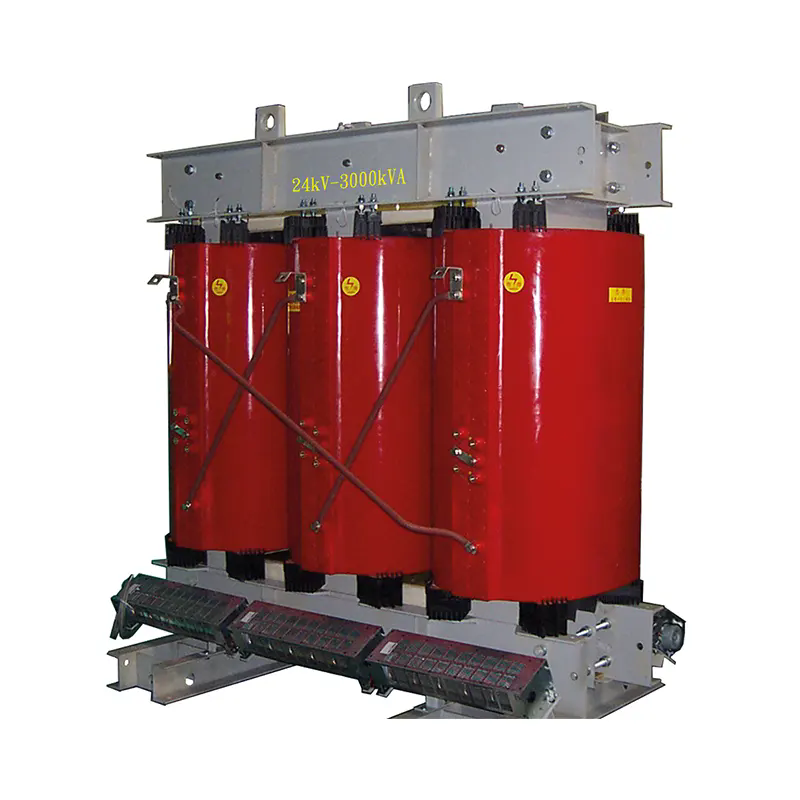
Table of Contents
Introduction to Epoxy Cast Transformers
Epoxy Cast Transformers are dry-type transformers encapsulated in epoxy resin, providing robust insulation and resistance against moisture, dust, and environmental contamination. Unlike traditional oil-immersed transformers, epoxy cast transformers offer enhanced safety, reduced maintenance, and compactness, making them ideal for industrial, commercial, and urban infrastructure applications.
The focus of this article is to explore how epoxy cast transformers function, their technical specifications, operational advantages, and practical considerations for selecting the right transformer. This guide is intended for electrical engineers, procurement specialists, and industry decision-makers seeking detailed insights into epoxy cast transformer performance and usage.
Specifications and Technical Parameters
The following table provides a detailed overview of a standard epoxy cast transformer to highlight key parameters relevant for selection and application:
| Parameter | Typical Value / Range |
|---|---|
| Rated Power | 10 kVA – 2000 kVA |
| Primary Voltage | 220V – 11kV |
| Secondary Voltage | 110V – 690V |
| Frequency | 50/60 Hz |
| Insulation Material | Epoxy Resin |
| Temperature Rise | 65°C – 100°C |
| Protection Class | IP20 – IP54 |
| Cooling Method | Natural Air Cooling (AN) or Forced Air Cooling (AF) |
These specifications are crucial for matching transformers to electrical loads, environmental conditions, and compliance with safety standards. Proper assessment ensures efficiency, longevity, and operational reliability in diverse applications.
Common Questions About Epoxy Cast Transformers
Q1: How does an epoxy cast transformer differ from an oil-immersed transformer?
A1: Epoxy cast transformers use solid insulation provided by epoxy resin rather than liquid oil, which reduces fire hazards and eliminates the risk of oil leaks. They are compact, maintenance-free, and suitable for indoor installations where space and safety are critical. The solid resin also provides excellent vibration and shock resistance.
Q2: What are the typical applications for epoxy cast transformers?
A2: Epoxy cast transformers are commonly used in industrial plants, commercial buildings, hospitals, data centers, and renewable energy projects. Their robust insulation and environmental resistance make them ideal for areas with high humidity, dust, or limited space. They are also preferred in urban installations where fire safety and low noise are required.
Q3: How can the performance of an epoxy cast transformer be optimized?
A3: Optimizing performance involves proper installation, adequate ventilation, regular monitoring of load conditions, and maintaining ambient temperature within specified limits. Selecting the right transformer rating and voltage level according to the electrical load is critical to prevent overheating and ensure efficiency over long-term operation.
Q4: Are epoxy cast transformers environmentally friendly?
A4: Yes, they are considered environmentally friendly because they do not use mineral oil, which can cause contamination if leaked. Epoxy cast transformers have low maintenance requirements and contribute to sustainable energy practices by reducing fire risks and energy losses associated with oil cooling.
Applications, Selection, and Brand Insight
Epoxy cast transformers are highly versatile. Selecting the appropriate transformer involves evaluating:
- Power demand and voltage levels of the target application.
- Environmental conditions such as temperature, humidity, and dust exposure.
- Compliance with safety standards and regulations.
- Installation constraints including space and accessibility.
Key applications include:
- Industrial automation systems requiring compact, reliable transformers.
- Commercial buildings and high-rise structures for efficient indoor electrical distribution.
- Renewable energy installations where reliability and low maintenance are essential.
- Data centers and hospitals where safety, fire prevention, and operational continuity are crucial.
For professionals seeking high-quality epoxy cast transformers, DAYA offers a wide range of products adhering to international standards, with custom specifications available for unique operational demands. To explore specific product models and receive personalized guidance, contact us directly for professional support and consultation.