

Article Summary: An Electrical Control Cabinet is a critical part of modern pump and industrial power systems. It integrates electrical control, monitoring, protection, and operational functions into a centralized enclosure, helping operators manage equipment more safely and efficiently. For pumping applications, the right cabinet can reduce electrical faults, protect motors from abnormal operating conditions, simplify maintenance, and improve overall system reliability. This article explains how an Electrical Control Cabinet works, what components it contains, how to select the right configuration, and which practical factors should be considered before installation.
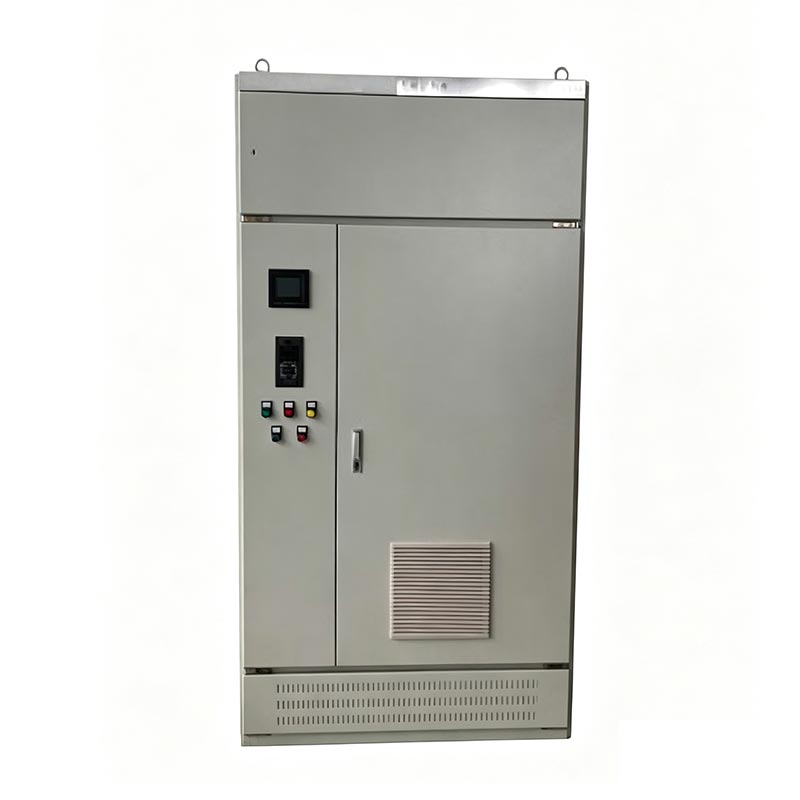
Table of Contents
- What Is an Electrical Control Cabinet?
- Why Is an Electrical Control Cabinet Important for Pump Systems?
- How Does an Electrical Control Cabinet Work?
- What Components Are Commonly Installed?
- How Does It Protect Pump Equipment?
- What Types of Electrical Control Cabinets Are Available?
- How Should You Select the Right Electrical Control Cabinet?
- What Should Be Considered During Installation?
- How Can Maintenance Improve Cabinet Reliability?
- What Problems Can an Electrical Control Cabinet Help Prevent?
- Why Consider Aote Tianjin Pump Co., Ltd.?
- FAQ
- Conclusion
Article Outline
- Understanding the function of an Electrical Control Cabinet
- Identifying the main electrical and protection functions
- Comparing common cabinet configurations
- Choosing equipment according to voltage, current, motor, and application requirements
- Improving operational safety and equipment protection
- Maintaining reliable performance throughout the service life
What Is an Electrical Control Cabinet?
An Electrical Control Cabinet is an enclosed electrical assembly designed to manage, protect, monitor, and control electrical equipment. In pump applications, it commonly serves as the central interface between the power supply and the pump motor. Instead of relying on individual switches and protection devices scattered throughout an installation, the cabinet brings essential control functions into one organized system.
A properly engineered cabinet can handle tasks such as motor starting, stopping, current monitoring, overload protection, voltage protection, operating-status recording, and abnormal-condition shutdown. Depending on the application, it may also support variable-speed operation, remote communication, automatic control, and integration with other industrial systems.
This makes the cabinet much more than a metal enclosure. It is an important part of the electrical architecture that determines how effectively the pump system responds to changing operating conditions.
For industrial users, the primary objective is simple: deliver reliable control while reducing unnecessary electrical and mechanical stress on the pump system.
Why Is an Electrical Control Cabinet Important for Pump Systems?
Pump motors frequently operate under changing loads. Starting current, voltage fluctuations, overload conditions, dry-running conditions, excessive current, and other abnormal events can negatively affect equipment if there is no appropriate control and protection strategy.
An Electrical Control Cabinet addresses these challenges by coordinating power distribution, motor control, protection, and monitoring.
| Operational Challenge | Potential Consequence | Cabinet Function |
|---|---|---|
| High starting current | Electrical stress and voltage disturbance | Controlled motor starting |
| Motor overload | Overheating and winding damage | Overload detection and shutdown |
| Low or unstable voltage | Unstable motor operation | Voltage monitoring and protection |
| Excessive current | Motor and cable stress | Current protection |
| Frequent starts and stops | Mechanical and electrical wear | Programmable starting and stopping logic |
| Changing flow requirements | Energy waste and inefficient operation | Variable-speed control where applicable |
Without coordinated protection, a relatively small electrical abnormality can develop into a costly equipment failure. A well-designed cabinet provides a structured way to detect abnormal conditions and respond before they become more serious.
How Does an Electrical Control Cabinet Work?
The basic operating process can be understood as a continuous control cycle:
- Power enters the cabinet: The incoming electrical supply is connected through appropriate switching and protection equipment.
- Control logic evaluates the operating condition: Control components determine whether the pump should start, stop, accelerate, decelerate, or remain protected.
- Electrical power is delivered to the motor: The cabinet sends controlled power to the pump motor through the selected starting or drive method.
- Operating parameters are monitored: Current, voltage, operating status, and other configured parameters can be monitored continuously or periodically.
- Protection responds to abnormal conditions: When a preset fault condition occurs, the system can issue an alarm or disconnect the motor depending on the control strategy.
- Operating information can be recorded: More advanced systems can retain information useful for troubleshooting and maintenance.
This coordinated process reduces the need for manual intervention and allows the pump system to operate according to predefined electrical and operational parameters.
What Components Are Commonly Installed?
The internal configuration depends on the voltage, motor rating, control method, installation environment, and application requirements. However, many Electrical Control Cabinets contain several common categories of equipment.
- Main circuit breaker: Provides primary switching and protection for the incoming electrical supply.
- Contactors: Allow electrical control of motor circuits in suitable configurations.
- Overload protection: Helps prevent prolonged excessive motor loading.
- Control relays: Provide switching and logic functions within the control circuit.
- Variable frequency drive: Used when adjustable motor speed is required.
- Soft starter: Helps reduce the electrical and mechanical impact associated with motor starting.
- Monitoring instruments: Display or transmit information such as voltage, current, frequency, and operating status.
- Control terminals: Provide organized connections between field devices and the cabinet.
- Cooling or ventilation components: Help maintain acceptable internal temperature when heat generation requires additional thermal management.
- Protective enclosure: Provides physical protection for internal electrical components.
Component selection should never be based only on cabinet dimensions. Electrical ratings, short-circuit requirements, environmental conditions, motor characteristics, control philosophy, and maintenance accessibility all need to be evaluated together.
How Does It Protect Pump Equipment?
Pump protection begins with recognizing that electrical and mechanical conditions are closely connected. A motor that operates outside its intended electrical range can generate excessive heat, while unstable operation can increase stress on connected mechanical components.
An appropriately configured Electrical Control Cabinet can provide several layers of protection.
Overload Protection
When a motor operates above its intended load for too long, excessive heat can accumulate in the windings. Overload protection can identify this condition and initiate a protective response.
Underload Protection
Some pump applications require underload protection because unusually low motor loading may indicate a loss of fluid, dry running, a broken coupling, or another abnormal condition. The exact protection method should be selected according to the pump application.
Voltage Protection
Voltage that is too high, too low, or otherwise unsuitable can affect motor performance and equipment life. Voltage monitoring can provide an additional layer of protection.
Current Monitoring
Current information gives operators valuable insight into motor loading. Unexpected current changes can be an early indication of abnormal pump operation.
Delayed Start and Shutdown
Controlled timing can prevent unnecessary rapid cycling. This is particularly useful where frequent starting and stopping could place additional stress on the pump, motor, or electrical network.
What Types of Electrical Control Cabinets Are Available?
Different applications require different starting and speed-control methods. Selecting the correct cabinet type can significantly influence system efficiency, controllability, and equipment life.
| Cabinet Type | Typical Application | Main Advantage |
|---|---|---|
| Power-Frequency Control Cabinet | Applications requiring conventional motor operation | Simple and straightforward control |
| Soft-Start Control Cabinet | Systems where starting impact needs to be reduced | Smoother motor starting |
| Low-Voltage Variable-Frequency Cabinet | Applications requiring adjustable motor speed at lower voltage | Flexible speed control |
| Medium-Voltage Variable-Frequency Cabinet | Higher-power industrial pumping applications | Speed control for higher-voltage systems |
The best choice depends on the motor, power supply, pump characteristics, operating profile, required control accuracy, and installation conditions. A technically advanced configuration is not automatically the best configuration if the application does not require it.
How Should You Select the Right Electrical Control Cabinet?
Choosing an Electrical Control Cabinet should begin with the actual operating requirements rather than the enclosure alone. Before placing an order, collect the key technical information for the pump and motor.
- Confirm the motor voltage. The cabinet must be compatible with the actual electrical supply and motor rating.
- Determine the rated current. Protection and switching components must be appropriately selected for the expected operating current.
- Check motor power. The cabinet configuration must correspond to the motor's power requirements.
- Define the starting method. Decide whether conventional starting, soft starting, or variable-frequency control is appropriate.
- Evaluate operating conditions. Consider temperature, humidity, dust, vibration, corrosive substances, and installation location.
- Define protection requirements. Determine which abnormal conditions need automatic shutdown, alarms, or monitoring.
- Consider communication requirements. If remote monitoring is required, the cabinet should be designed with compatible communication and control interfaces.
- Plan for maintenance. Internal component layout should allow technicians to inspect, test, and replace components efficiently.
One of the most common purchasing mistakes is specifying the cabinet based only on rated power. Two pump systems with similar motor ratings may require very different control solutions because their operating environments and control objectives are different.
What Should Be Considered During Installation?
Even a high-quality Electrical Control Cabinet can perform poorly if installation conditions are unsuitable. The installation location should provide sufficient ventilation, protection from excessive moisture, and adequate clearance for operation and maintenance.
Electrical connections should be made according to the applicable technical requirements and the cabinet manufacturer's documentation. Cable selection, grounding, terminal tightening, phase identification, and protective-device settings should be checked carefully before energization.
For outdoor or harsh industrial installations, enclosure protection becomes particularly important. Dust, water, condensation, corrosive gases, and high ambient temperatures can affect electrical components and reduce service life if the enclosure is not properly matched to the environment.
Before commissioning, technicians should verify:
- Incoming power and voltage
- Motor rotation direction
- Grounding continuity
- Protection-device settings
- Control signal operation
- Emergency stop functionality where applicable
- Starting and stopping sequences
- Alarm and fault responses
- Communication functions where installed
How Can Maintenance Improve Cabinet Reliability?
Routine maintenance is essential because electrical components gradually experience thermal, mechanical, and environmental stress. Maintenance should be based on the equipment's operating conditions and manufacturer's recommendations.
Useful maintenance activities include:
- Inspecting terminals and cable connections for looseness or overheating.
- Checking cabinet ventilation and cooling components.
- Removing accumulated dust where appropriate.
- Inspecting contactors, relays, and switching devices.
- Checking alarms and protective functions.
- Reviewing recorded operating parameters for unusual changes.
- Inspecting enclosure seals and physical condition.
- Checking grounding connections.
- Testing control functions during scheduled maintenance.
Maintenance should always be performed by qualified personnel using appropriate electrical safety procedures. Equipment should be isolated and verified de-energized before work is performed where required.
What Problems Can an Electrical Control Cabinet Help Prevent?
A properly designed cabinet cannot eliminate every pump failure, but it can help reduce the probability and severity of several common problems.
| Potential Problem | Possible Cause | How Control Helps |
|---|---|---|
| Motor overheating | Excessive load or abnormal current | Overload and current protection |
| Unstable starting | High starting demand or unsuitable control | Soft-start or appropriate starting strategy |
| Unnecessary energy consumption | Motor running at constant speed despite changing demand | Variable-speed operation where suitable |
| Repeated equipment trips | Electrical abnormalities | Monitoring and fault indication |
| Unexpected operating conditions | Voltage, current, or load changes | Real-time monitoring and protective response |
The key benefit is not simply automatic shutdown. A good control system helps operators understand what is happening, respond more quickly, and maintain a more predictable operating process.
Why Consider Aote Tianjin Pump Co., Ltd.?
For pumping applications, the Electrical Control Cabinet should be considered together with the pump, motor, operating conditions, and required control strategy. A cabinet that is correctly matched to the complete system can provide more dependable operation than a generic cabinet selected only according to basic electrical ratings.
Aote Tianjin Pump Co., Ltd. provides electrical control cabinet solutions designed for pump-system applications. When evaluating a supplier, customers should look beyond the cabinet enclosure and examine engineering capability, electrical configuration, protection functions, testing procedures, compatibility with the pump set, and after-sales technical support.
A practical supplier evaluation should include the following questions:
- Can the cabinet be matched to the specific pump and motor?
- Are the required voltage and current ratings available?
- Can the starting method be selected according to operating requirements?
- Are protection and monitoring functions clearly defined?
- Can the manufacturer provide appropriate testing before delivery?
- Is technical support available during installation and commissioning?
- Can the cabinet configuration be adapted for different project requirements?
These questions help purchasers avoid choosing equipment based solely on price and instead focus on long-term reliability, compatibility, and operating value.
FAQ
Q1: What is the main purpose of an Electrical Control Cabinet?
The main purpose is to control and protect electrical equipment while providing operators with a centralized method for starting, stopping, monitoring, and managing the system. In pump applications, it commonly controls the pump motor and helps protect it against abnormal electrical conditions.
Q2: Can an Electrical Control Cabinet control pump speed?
Yes, when the cabinet is equipped with an appropriate variable frequency drive or other compatible speed-control equipment. Variable-speed control can be useful when pump demand changes during operation.
Q3: Why is overload protection important?
Overload protection helps prevent prolonged excessive motor loading. If a motor draws excessive current for an extended period, heat can build up and damage electrical components. Proper protection can disconnect or control the motor before the condition becomes more severe.
Q4: What is the difference between a soft-start cabinet and a variable-frequency cabinet?
A soft-start system primarily manages the motor starting process to reduce starting stress. A variable-frequency system can provide broader control over motor speed during operation. The appropriate solution depends on the application's control requirements.
Q5: How do I determine the correct cabinet size?
Cabinet selection should consider motor voltage, rated current, power, starting method, environmental conditions, protection requirements, internal components, cable arrangements, and future maintenance requirements. Physical dimensions should be determined after the electrical configuration is established.
Q6: Can an Electrical Control Cabinet be used outdoors?
Yes, provided the cabinet is designed and specified for the actual outdoor environment. Protection against water, dust, condensation, temperature changes, corrosion, and direct environmental exposure should be considered before installation.
Q7: How often should an Electrical Control Cabinet be maintained?
There is no single maintenance interval suitable for every installation. The schedule should consider operating hours, environmental conditions, electrical load, equipment criticality, and manufacturer recommendations. More demanding environments generally require more frequent inspection.
Q8: Why should the cabinet be matched with the pump system?
The electrical cabinet, motor, and pump operate as an integrated system. Incorrect protection settings, unsuitable starting methods, or incompatible control parameters can reduce reliability. Matching the cabinet to the complete pump system helps ensure that electrical control supports actual operating requirements.
Conclusion
An Electrical Control Cabinet plays a central role in controlling, monitoring, and protecting pump motor systems. Its value extends beyond simple switching: it can coordinate motor starting, provide electrical protection, monitor operating conditions, support speed regulation, and help operators respond to abnormal events.
The most effective solution is not necessarily the cabinet with the largest number of functions. It is the configuration that is correctly matched to the motor, pump, power supply, operating environment, protection requirements, and control objectives.
For customers looking for a dependable solution for pump applications, Aote Tianjin Pump Co., Ltd. can provide Electrical Control Cabinet solutions tailored to practical system requirements. Choosing the right configuration at the beginning can help reduce operational problems, simplify maintenance, and support stable long-term pump performance.
Need an Electrical Control Cabinet matched to your pump system? Discuss your voltage, motor rating, control requirements, operating environment, and project specifications with Aote Tianjin Pump Co., Ltd. today. Contact us to explore a suitable electrical control solution for your application.