

How Does an Analog Radio Walkie Talkie Provide Reliable Communication in Challenging Environments?
2026-08-14
Article Summary:
An Analog Radio Walkie Talkie remains one of the most practical communication solutions for industries that require instant, stable, and cost-effective voice transmission. Even with the rapid development of digital communication systems, analog radios continue to play an important role in construction sites, industrial operations, security teams, outdoor activities, transportation, and emergency response. This article explains how an Analog Radio Walkie Talkie works, why businesses still choose this technology, what problems it solves, and how LANCHONLH provides professional communication solutions for different application needs.
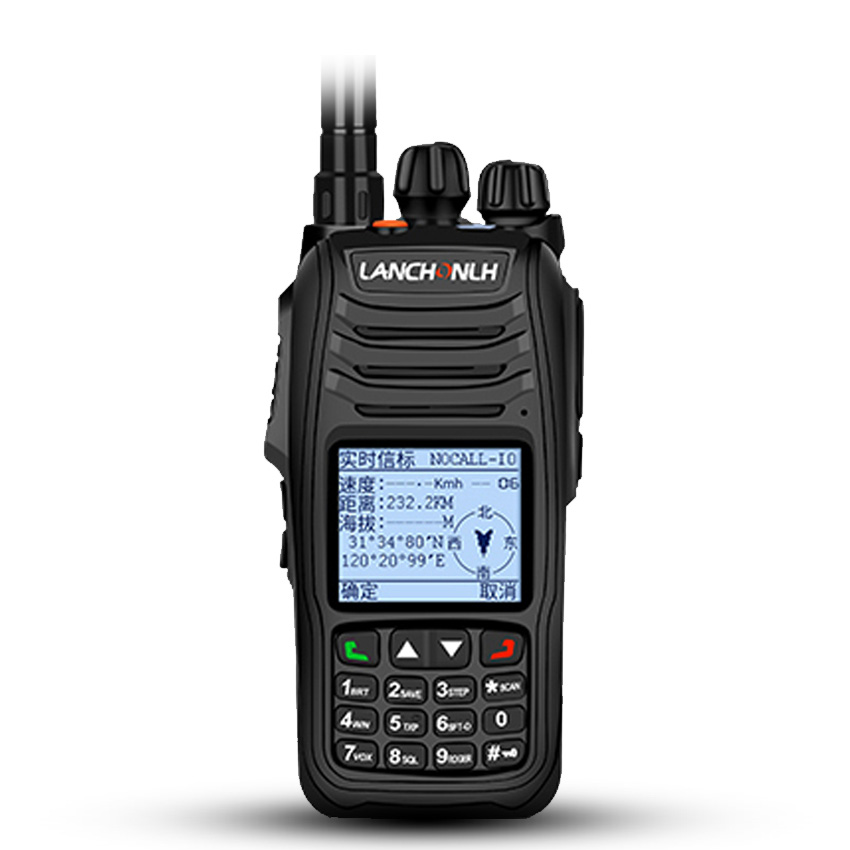
Table of Contents
- 1. How Does an Analog Radio Walkie Talkie Work?
- 2. Why Is an Analog Radio Walkie Talkie Still Widely Used?
- 3. What Problems Can an Analog Radio Walkie Talkie Solve?
- 4. Key Features to Consider When Choosing an Analog Radio Walkie Talkie
- 5. How Does LANCHONLH Support Professional Communication Needs?
- 6. Applications of Analog Radio Walkie Talkies
- 7. Frequently Asked Questions About Analog Radio Walkie Talkies
How Does an Analog Radio Walkie Talkie Work?
An Analog Radio Walkie Talkie is a portable two-way communication device that transmits voice signals through radio frequencies. Unlike communication tools that depend on mobile networks or internet connections, an analog radio creates direct communication between devices through assigned frequency channels.
When a user speaks into the microphone, the device converts sound into an electrical signal. The signal is then modulated onto a radio carrier wave and transmitted through the antenna. Another compatible walkie talkie receives the signal, demodulates it, and converts it back into clear audio.
| Communication Process | Function |
|---|---|
| Voice Input | The microphone captures the user's voice. |
| Signal Conversion | The audio signal is converted into radio frequency information. |
| Signal Transmission | The antenna sends the radio signal through the selected frequency. |
| Signal Reception | The receiving radio captures and processes the transmission. |
| Audio Output | The speaker restores the voice communication. |
This simple operating principle makes Analog Radio Walkie Talkies highly dependable, especially in locations where network coverage is limited or unavailable. LANCHONLH develops professional radio communication products designed for stable voice transmission and flexible usage scenarios. :contentReference[oaicite:0]{index=0}
Why Is an Analog Radio Walkie Talkie Still Widely Used?
Many organizations continue choosing Analog Radio Walkie Talkies because they offer advantages that are difficult to replace. Although digital radios provide advanced features, analog systems remain valuable because of their simplicity, affordability, and ease of operation.
| Advantages | Benefits for Users |
|---|---|
| Simple Operation | Users can communicate immediately without complicated settings. |
| Low Maintenance Cost | Less technical management is required compared with network-based systems. |
| Fast Communication | Push-to-talk operation allows instant voice connection. |
| Wide Application Range | Suitable for commercial, industrial, and outdoor environments. |
| Independent Communication | Works without relying on cellular networks. |
For teams working in remote areas, warehouses, factories, or emergency situations, communication reliability is often more important than advanced software functions. Analog technology provides a straightforward method to maintain contact when every second matters.
What Problems Can an Analog Radio Walkie Talkie Solve?
Modern industries often face communication challenges caused by large working areas, noisy environments, weak mobile signals, and the need for immediate coordination. An Analog Radio Walkie Talkie helps solve these problems through direct and efficient communication.
-
Problem: Poor Mobile Network Coverage
Solution: Analog radios communicate through dedicated radio frequencies without depending on mobile networks. -
Problem: Delayed Team Communication
Solution: Push-to-talk technology allows workers to exchange information instantly. -
Problem: High Communication Costs
Solution: Businesses can reduce recurring communication expenses by using radio systems. -
Problem: Difficult Working Conditions
Solution: Professional radios are designed for demanding environments with durable construction.
For industries such as logistics, security, manufacturing, and transportation, reliable communication directly affects productivity and safety. A properly selected Analog Radio Walkie Talkie helps teams coordinate tasks more effectively.
What Features Should You Consider When Choosing an Analog Radio Walkie Talkie?
Selecting the right radio requires understanding the working environment, communication distance, frequency requirements, and operating conditions. Different industries may require different specifications.
| Feature | Why It Matters |
|---|---|
| Frequency Range | Determines compatibility and communication performance. |
| Output Power | Affects transmission distance and signal strength. |
| Battery Capacity | Ensures longer operation during extended work periods. |
| Channel Quantity | Allows multiple teams to operate separately. |
| Durability | Important for outdoor and industrial environments. |
| Customization Options | Helps meet special business requirements. |
LANCHONLH provides various communication products, including Analog Radio Walkie Talkie solutions and customized radio equipment. The company focuses on product development, manufacturing capability, and OEM/ODM services to support different customer requirements. :contentReference[oaicite:1]{index=1}
How Does LANCHONLH Support Professional Communication Needs?
LANCHONLH is dedicated to providing reliable radio communication products for professional users. With experience in radio manufacturing, the company develops solutions covering analog communication, digital communication, and specialized radio applications.
The company understands that different customers have different communication challenges. Construction teams may need durable equipment for large sites, security teams may require stable voice transmission, while outdoor users may need lightweight and portable solutions.
LANCHONLH focuses on balancing performance, reliability, and practical usability. Through continuous product improvement and manufacturing expertise, the company helps customers build efficient communication systems.
| Customer Requirement | LANCHONLH Solution Approach |
|---|---|
| Industrial Communication | Stable radio products designed for professional environments. |
| Outdoor Communication | Portable designs suitable for field operations. |
| Customized Projects | OEM and ODM services for special applications. |
| Long-Term Usage | Focus on product reliability and user experience. |
Where Are Analog Radio Walkie Talkies Commonly Used?
Because of their flexibility and reliability, Analog Radio Walkie Talkies are used across many industries.
- Construction: Workers use radios for site coordination, equipment management, and safety communication.
- Security Services: Security teams depend on instant communication for monitoring and response.
- Manufacturing: Factory operators use radios to improve workflow and reduce communication delays.
- Transportation: Logistics teams coordinate vehicles, warehouses, and operational activities.
- Outdoor Activities: Hiking groups, event organizers, and explorers use radios where mobile signals may be unavailable.
- Emergency Operations: Reliable voice communication supports quick decision-making during critical situations.
The continued demand for Analog Radio Walkie Talkies proves that simple and dependable communication remains essential in many professional fields.
Frequently Asked Questions About Analog Radio Walkie Talkies
Q1: What is an Analog Radio Walkie Talkie?
An Analog Radio Walkie Talkie is a handheld two-way radio device that uses analog frequency transmission to send and receive voice communication.
Q2: Are Analog Radio Walkie Talkies still useful today?
Yes. They remain popular because they provide reliable communication, simple operation, and independence from mobile networks.
Q3: How far can an Analog Radio Walkie Talkie communicate?
The communication distance depends on factors such as output power, antenna design, environment, and frequency conditions.
Q4: Can Analog Radio Walkie Talkies be customized?
Yes. Professional manufacturers such as LANCHONLH provide customized solutions to meet different customer requirements.
Q5: What industries benefit most from Analog Radio Walkie Talkies?
Industries including construction, security, transportation, manufacturing, outdoor activities, and emergency services commonly use these communication devices.
Conclusion
An Analog Radio Walkie Talkie continues to be an important communication tool because it delivers immediate, stable, and practical voice communication. While communication technology continues to evolve, many industries still depend on reliable radio systems for daily operations.
By focusing on quality manufacturing, product innovation, and customized communication solutions, LANCHONLH helps customers overcome communication challenges in different environments. Whether you need professional radios for industrial applications or customized communication equipment for specific projects, LANCHONLH is ready to provide dependable solutions.
For high-quality Analog Radio Walkie Talkie products and professional communication solutions, please contact us today to discuss your requirements and receive expert support from LANCHONLH.