Article Summary
Effective communication is essential for industries, outdoor activities, emergency response, security operations, and daily teamwork. However, many communication environments face challenges such as weak network coverage, high operating costs, signal instability, and complicated equipment requirements. An Analog Radio Walkie Talkie provides a practical solution by offering direct voice communication, simple operation, long battery life, and dependable performance without relying on cellular networks.
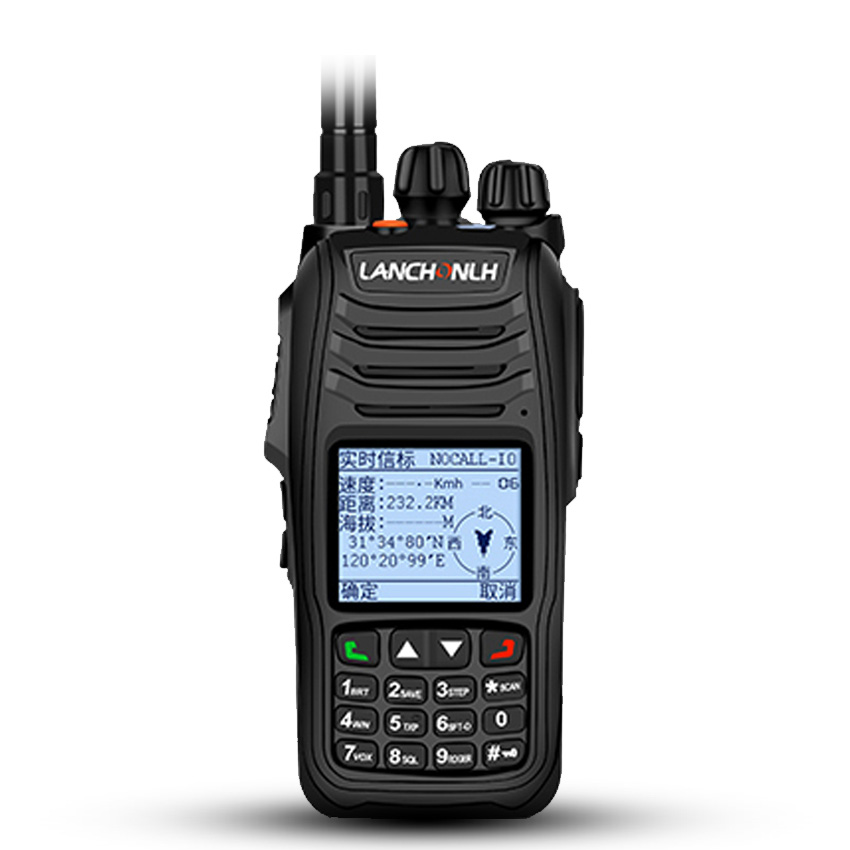
This article explains how an Analog Radio Walkie Talkie works, why it remains valuable in modern communication systems, what problems it solves for users, and how businesses can select the right solution. With years of experience in wireless communication products, LANCHONLH focuses on providing reliable radio communication equipment designed for professional and commercial applications.
1. What Is an Analog Radio Walkie Talkie?
An Analog Radio Walkie Talkie is a portable two-way communication device that uses analog radio frequency signals to transmit and receive voice messages. Unlike smartphones and internet-based communication tools, it does not require mobile networks, Wi-Fi connections, or external communication infrastructure.
The basic design includes a transmitter, receiver, antenna, speaker, microphone, battery system, and control interface. Users can communicate instantly by pressing the push-to-talk button, making it especially useful in situations where fast response and reliable connectivity are required.
Although digital communication technologies continue to develop, analog radio systems remain widely used because of their simplicity, affordability, and compatibility with existing radio networks. Many organizations prefer analog equipment because it provides stable communication with lower deployment costs.
2. How Does an Analog Radio Walkie Talkie Work?
Understanding the working principle of an Analog Radio Walkie Talkie helps users choose the right communication solution and maximize equipment performance.
|
Component
|
Function
|
|
Microphone
|
Converts the user's voice into electrical audio signals.
|
|
Transmitter
|
Processes audio signals and sends them through radio frequencies.
|
|
Antenna
|
Transfers radio signals between devices.
|
|
Receiver
|
Captures incoming signals and converts them back into sound.
|
|
Speaker
|
Outputs clear voice communication.
|
|
Battery
|
Provides power for continuous operation.
|
When a user presses the push-to-talk button, the device switches from receiving mode to transmitting mode. The voice signal is converted into radio waves and sent through a selected frequency channel. Other compatible radios on the same channel can receive and hear the message immediately.
This direct communication process allows teams to coordinate quickly without waiting for network connections or dealing with complicated applications.
3. Why Do Users Still Choose Analog Radio Walkie Talkies?
Many users face communication problems in workplaces, remote areas, and emergency situations. An Analog Radio Walkie Talkie addresses these challenges through practical advantages.
Instant Communication Without Network Dependency
One of the biggest advantages is independence from cellular networks. In locations where mobile signals are unavailable or unreliable, radio communication can continue working effectively.
Cost-Effective Communication Solution
Compared with smartphone communication systems that require monthly service fees and complex management platforms, analog radios provide a one-time equipment investment with simple maintenance requirements.
Simple Operation for Different Users
The operation process is straightforward. Users can communicate by selecting a channel and pressing one button. This simplicity makes analog radios suitable for employees with different technical backgrounds.
Long Battery Performance
Many Analog Radio Walkie Talkie models are designed for extended working hours. This is important for security teams, construction workers, event staff, and outdoor professionals who need reliable communication throughout the day.
Durable Performance in Harsh Conditions
Professional radio equipment is often designed to withstand dust, vibration, temperature changes, and outdoor working environments, making it suitable for demanding applications.
4. Where Are Analog Radio Walkie Talkies Commonly Used?
Different industries rely on reliable voice communication to improve safety, productivity, and coordination.
|
Industry
|
Communication Needs
|
Application Examples
|
|
Construction
|
Fast team coordination at large sites
|
Worker communication, equipment scheduling, safety management
|
|
Security Services
|
Instant response and monitoring
|
Security patrols, building management, event protection
|
|
Hospitality
|
Efficient internal communication
|
Hotels, resorts, restaurants, customer service teams
|
|
Transportation
|
Reliable operational communication
|
Logistics centers, warehouses, transportation teams
|
|
Outdoor Activities
|
Communication in remote locations
|
Camping, hiking, exploration, outdoor events
|
5. How to Choose the Right Analog Radio Walkie Talkie?
Selecting suitable equipment requires considering working conditions, communication distance, environment, and user requirements.
-
Communication Range: Choose a radio with suitable transmission distance according to the working environment.
-
Frequency Compatibility: Ensure the radio operates on the required frequency bands and complies with local regulations.
-
Battery Capacity: Longer battery life is important for extended shifts and outdoor operations.
-
Durability: Consider waterproof, dustproof, and shock-resistant features for demanding environments.
-
Audio Quality: Clear voice transmission improves communication efficiency and reduces misunderstandings.
-
Accessories: Additional accessories such as earpieces, chargers, and spare batteries can improve user experience.
LANCHONLH provides professional communication solutions designed to meet different application requirements. By understanding customer environments and operational challenges, the company helps users select suitable radio communication equipment.
6. Analog Radio Walkie Talkie vs Digital Communication Devices
|
Feature
|
Analog Radio Walkie Talkie
|
Digital Communication Device
|
|
Operation
|
Simple push-to-talk operation
|
Requires more technical configuration
|
|
Cost
|
Lower equipment and maintenance cost
|
Usually higher investment
|
|
Network Dependency
|
No cellular network required
|
May depend on network infrastructure
|
|
Voice Communication
|
Reliable basic voice transmission
|
Advanced audio and data functions
|
|
Maintenance
|
Easy management and repair
|
Requires more technical support
|
The best choice depends on the user's communication requirements. For organizations needing dependable voice communication with simple operation and controlled costs, analog radio systems remain an effective option.
7. How to Maintain an Analog Radio Walkie Talkie for Long-Term Use?
Proper maintenance helps extend equipment lifespan and maintain stable communication quality.
-
Clean the radio surface regularly to prevent dust accumulation.
-
Protect the antenna from damage because it affects signal performance.
-
Charge batteries according to manufacturer recommendations.
-
Store equipment in a dry environment when not in use.
-
Check accessories such as chargers and audio devices regularly.
-
Perform routine communication tests to confirm normal operation.
A well-maintained Analog Radio Walkie Talkie can provide years of dependable service, reducing replacement costs and improving operational efficiency.
8. Frequently Asked Questions
Q1: What is the main advantage of an Analog Radio Walkie Talkie?
The main advantage is reliable instant communication without depending on mobile networks or internet connections. It is simple, affordable, and suitable for many professional applications.
Q2: How far can an Analog Radio Walkie Talkie communicate?
The communication distance depends on factors such as radio power, antenna design, terrain, buildings, and environmental conditions.
Q3: Can analog radios work in remote areas?
Yes. Since they do not require cellular networks, analog radios are commonly used in remote locations, outdoor projects, and emergency communication scenarios.
Q4: Are Analog Radio Walkie Talkies still useful today?
Yes. Many industries continue using analog radios because of their reliability, low operating costs, and easy operation.
Q5: Why choose LANCHONLH for radio communication products?
LANCHONLH focuses on providing dependable communication equipment with practical designs, stable performance, and solutions suitable for various professional environments.
Conclusion
An Analog Radio Walkie Talkie remains an important communication tool for businesses, organizations, and individuals who need fast, stable, and cost-effective voice communication. Its simple operation, strong reliability, and independence from network infrastructure make it suitable for industries ranging from construction and security to transportation and outdoor activities.
With professional experience and a commitment to communication technology, LANCHONLH continues to provide reliable radio solutions that help customers improve teamwork and operational efficiency. If you need a dependable communication solution tailored to your application requirements, please contact us for more information and professional support.