

How Does a Wireless Water Meter Transform Modern Water Management?
2026-06-26
Abstract: Wireless water meters are redefining how residential, commercial, and industrial users monitor and control water consumption. By combining IoT communication, real-time data analytics, and remote access capabilities, these systems eliminate manual reading inefficiencies and improve billing accuracy, leakage detection, and sustainability efforts. This article explores how wireless water meters work, their advantages, applications, challenges, and how Xinkong delivers advanced solutions tailored for smart water infrastructure.
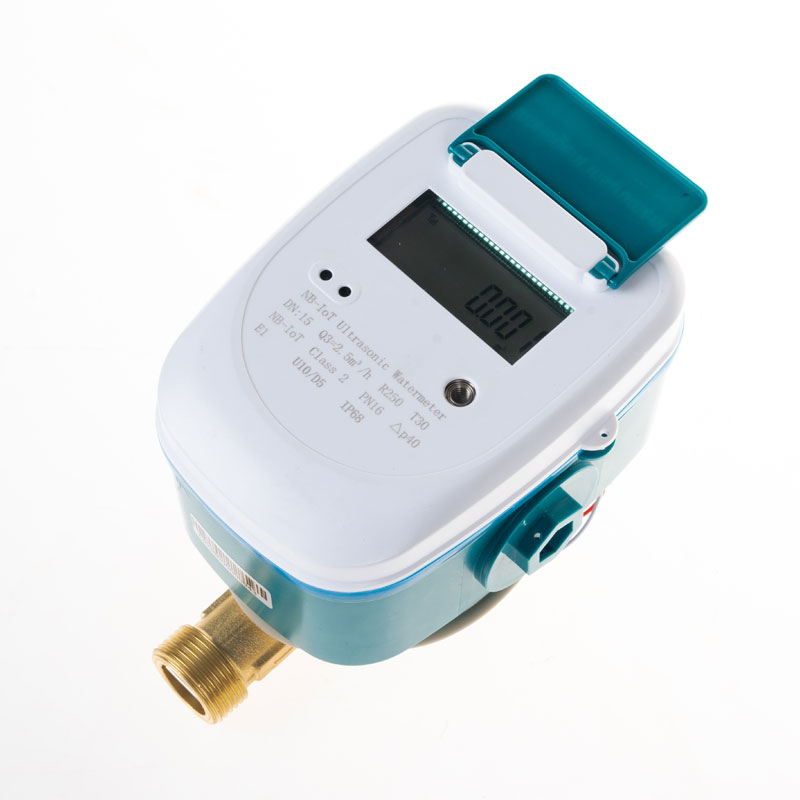
Table of Contents
- 1. Introduction to Wireless Water Meter Technology
- 2. How Wireless Water Meters Work
- 3. Key Benefits for Users and Utilities
- 4. Applications Across Industries
- 5. Challenges and Technical Considerations
- 6. Xinkong Smart Water Meter Solutions
- 7. Selection and Deployment Guide
- 8. Future of Wireless Water Metering
- 9. Frequently Asked Questions
- 10. Conclusion and Contact Information
1. Introduction to Wireless Water Meter Technology
Wireless water meters are advanced metering devices designed to measure water consumption and transmit usage data remotely using wireless communication technologies such as RF, NB-IoT, LoRa, or GSM networks. Unlike traditional mechanical meters that require manual reading, wireless systems automate data collection, enabling real-time monitoring and centralized management.
The shift toward smart utilities has made wireless water metering a critical component of modern infrastructure. Municipalities, property managers, and industrial operators increasingly adopt these systems to reduce operational costs, improve accuracy, and enhance water conservation strategies.
2. How Wireless Water Meters Work
A wireless water meter typically consists of three core components: a flow sensor, a data processing unit, and a wireless transmission module. The flow sensor detects water movement through the pipe and converts it into measurable consumption data. This data is then processed and transmitted to a central platform.
The operational workflow includes:
- Measurement: Water flow is detected using mechanical or ultrasonic sensors.
- Digitization: Consumption data is converted into digital signals.
- Transmission: Data is sent via wireless protocols to a gateway or cloud server.
- Analysis: Utility providers or users access dashboards for monitoring and reporting.
This architecture enables continuous monitoring without physical intervention, making it highly efficient for large-scale deployments.
3. Key Benefits for Users and Utilities
Wireless water meters deliver significant advantages over traditional metering systems. These benefits extend across operational efficiency, cost savings, and environmental impact.
- Real-time monitoring: Users can track consumption instantly, helping identify abnormal usage patterns.
- Reduced labor costs: Eliminates manual meter reading and associated operational expenses.
- Leak detection: Early identification of leaks minimizes water loss and property damage.
- Accurate billing: Automated data reduces human errors and disputes in billing cycles.
- Sustainability: Encourages responsible water usage and conservation behavior.
For utility providers, these benefits translate into optimized resource allocation and improved customer satisfaction.
4. Applications Across Industries
Wireless water meters are widely deployed across multiple sectors due to their adaptability and scalability.
- Residential buildings: Apartments and housing communities use smart metering for fair billing.
- Commercial complexes: Offices and malls monitor large-scale water consumption efficiently.
- Industrial facilities: Manufacturing plants track process water usage for compliance and optimization.
- Agriculture: Irrigation systems benefit from precise water distribution monitoring.
- Municipal infrastructure: Cities implement smart grids for water distribution management.
The versatility of wireless water metering systems makes them a cornerstone of smart city development initiatives.
5. Challenges and Technical Considerations
Despite their advantages, wireless water meters also present several technical and operational challenges that must be addressed for optimal performance.
- Signal interference: Dense urban environments may disrupt wireless communication.
- Battery life: Long-term deployment requires energy-efficient designs.
- Installation compatibility: Existing pipelines may need adaptation for smart integration.
- Data security: Transmission must be encrypted to prevent unauthorized access.
Proper system design and reliable hardware selection are essential to overcoming these challenges effectively.
6. Xinkong Smart Water Meter Solutions
Xinkong specializes in advanced wireless water metering systems designed for precision, durability, and seamless connectivity. Their solutions integrate modern communication protocols with high-accuracy sensing technologies, ensuring stable performance in diverse environments.
Key features of Xinkong wireless water meters include:
- High-precision flow measurement for accurate consumption tracking
- Multi-protocol wireless communication support for flexible deployment
- Low-power consumption design for extended operational life
- Robust construction suitable for industrial and municipal applications
- Cloud-based data access for remote monitoring and analytics
By focusing on innovation and reliability, Xinkong provides scalable solutions that support both small-scale installations and large utility networks.
7. Selection and Deployment Guide
Choosing the right wireless water meter requires careful evaluation of technical specifications, environmental conditions, and system requirements.
Important selection factors include:
- Communication protocol: Ensure compatibility with existing infrastructure.
- Meter accuracy class: Higher accuracy reduces long-term billing discrepancies.
- Installation environment: Indoor, outdoor, underground, or industrial settings.
- Data platform integration: Ability to connect with cloud or enterprise systems.
Deployment should follow a structured approach: site assessment, device calibration, network configuration, and continuous performance monitoring.
8. Future of Wireless Water Metering
The future of wireless water metering is closely tied to advancements in IoT, artificial intelligence, and smart infrastructure systems. Predictive analytics will enable utilities to forecast demand patterns and detect anomalies before they escalate into serious issues.
Emerging trends include:
- Integration with AI-driven water management platforms
- Enhanced interoperability between smart city systems
- Improved sensor miniaturization and energy harvesting technologies
- Wider adoption of low-power wide-area networks (LPWAN)
These innovations will continue to push wireless water meters toward becoming fully autonomous components of intelligent utility ecosystems.
9. Frequently Asked Questions
Q1: What is a wireless water meter used for?
A wireless water meter is used to measure and transmit water consumption data automatically without manual reading.
Q2: How long does the battery last in wireless water meters?
Battery life typically ranges from 5 to 10 years depending on usage frequency and transmission technology.
Q3: Can wireless water meters detect leaks?
Yes, most advanced systems can detect abnormal flow patterns that indicate potential leaks.
Q4: Are wireless water meters suitable for industrial use?
Yes, they are widely used in industrial environments due to their scalability and reliability.
Q5: Do wireless water meters require internet access?
Not always. Some use local RF networks, while others rely on cellular or IoT-based connectivity.
10. Conclusion and Contact Information
Wireless water meters represent a major advancement in modern utility management, offering efficiency, accuracy, and sustainability benefits across residential, commercial, and industrial sectors. As water resources become increasingly valuable, adopting intelligent metering solutions is no longer optional but essential.
With advanced engineering and robust system design, Xinkong continues to support global customers in building smarter and more efficient water management systems.
If you are looking to upgrade your water metering infrastructure or explore customized solutions tailored to your project requirements, contact us today to learn how Xinkong can support your smart water management goals.