Abstract: A wireless mouse has become an essential accessory for modern workspaces, gaming setups, and mobile productivity. It eliminates cable clutter, enhances flexibility, and improves comfort for users across different scenarios. In this article, we explore how a wireless mouse works, the problems it solves, how to choose the right one, and why businesses and individuals increasingly rely on advanced wireless mouse technology from trusted manufacturers like Guangzhou Purio Technology Co., Ltd.
What Is a Wireless Mouse?
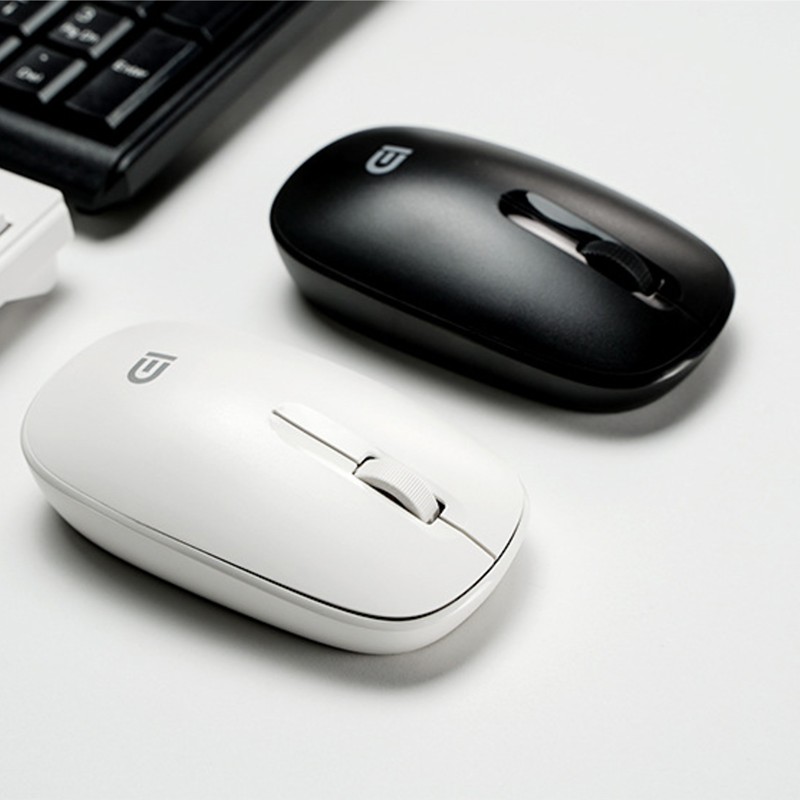
A wireless mouse is a computer pointing device that connects to desktops, laptops, tablets, or smart devices without requiring a physical cable. Instead of traditional wired connections, it uses Bluetooth or radio frequency (RF) technology through a USB receiver.
This innovation allows users to move freely, maintain cleaner desks, and improve mobility in offices, homes, classrooms, and travel environments.
How Does a Wireless Mouse Work?
Wireless mice transmit movement and click signals through built-in transmitters. The mouse detects surface movement using optical or laser sensors and sends data wirelessly to the connected device.
-
RF Wireless Mouse: Uses USB nano receiver for signal transmission.
-
Bluetooth Wireless Mouse: Connects directly without receiver.
-
Rechargeable Models: Built-in batteries reduce replacement costs.
-
Battery-Powered Models: Use AA or AAA batteries for long-term operation.
Advanced models from Guangzhou Purio Technology Co., Ltd. are designed with stable transmission chips to minimize lag and signal interruption.
Key Benefits of Using a Wireless Mouse
Choosing a wireless mouse provides multiple advantages for both professional and personal use:
-
Eliminates tangled cable clutter
-
Improves desk organization
-
Enhances portability for travelers
-
Provides flexible movement range
-
Supports ergonomic comfort designs
-
Compatible with multiple operating systems
Whether for office work, design projects, gaming, or education, wireless mice create smoother and more efficient workflows.
Common Customer Pain Points and Solutions
|
Pain Point
|
Cause
|
Solution
|
|
Connection Lag
|
Weak signal interference
|
Choose high-stability chipsets and quality receivers
|
|
Battery Drains Quickly
|
Poor power management
|
Select low-power consumption models
|
|
Cursor Jumping
|
Low sensor precision
|
Use high-DPI optical sensors
|
|
Uncomfortable Grip
|
Poor ergonomic design
|
Choose contour-shaped ergonomic mice
|
|
USB Receiver Loss
|
Small detachable receiver
|
Consider Bluetooth models
|
How to Choose the Right Wireless Mouse
Not all wireless mice are the same. Here are the most important factors to evaluate:
-
Connectivity Type: RF or Bluetooth
-
DPI Sensitivity: Higher DPI for precision work
-
Battery Life: Longer runtime reduces interruptions
-
Ergonomic Shape: Essential for long-term comfort
-
Button Count: Extra programmable buttons improve productivity
-
Noise Level: Silent click models ideal for offices
Guangzhou Purio Technology Co., Ltd. offers a wide variety of wireless mouse solutions designed for offices, gaming, education, and OEM/ODM customization needs.
Wireless vs Wired Mouse Comparison
|
Feature
|
Wireless Mouse
|
Wired Mouse
|
|
Mobility
|
Excellent
|
Limited by cable
|
|
Desk Cleanliness
|
Cleaner setup
|
More cable clutter
|
|
Portability
|
Highly portable
|
Less convenient
|
|
Battery Requirement
|
Yes
|
No
|
|
Latency
|
Very low in premium models
|
Traditionally lower
|
Best Applications for Wireless Mouse Use
Wireless mice are widely used in:
-
Corporate office workstations
-
Remote work and home offices
-
Gaming environments
-
Educational institutions
-
Travel business setups
-
Graphic design studios
Their versatility makes them suitable for nearly every computing scenario.
Maintenance Tips for Longer Lifespan
-
Clean sensor lens regularly.
-
Replace or recharge batteries on schedule.
-
Store USB receiver safely.
-
Avoid dropping the mouse.
-
Keep away from moisture and dust.
-
Use on proper mouse pad surfaces.
Proper maintenance ensures stable performance and extends product life significantly.
FAQ
Q1: Does a wireless mouse have delay compared to wired models?
Modern high-quality wireless mice have extremely low latency, often unnoticeable in everyday use.
Q2: How long does battery life usually last?
Depending on usage and model, battery life ranges from several weeks to months.
Q3: Is Bluetooth better than RF wireless?
Bluetooth saves USB ports, while RF often provides faster plug-and-play convenience.
Q4: Can wireless mice work with tablets?
Yes, many Bluetooth wireless mice are compatible with tablets and smart devices.
Q5: What industries benefit most from wireless mouse products?
Business offices, schools, retail environments, and gaming sectors all benefit extensively.
Conclusion
A wireless mouse is more than just a cable-free accessory—it is a productivity tool that enhances comfort, mobility, and efficiency across every digital environment. From reducing clutter to improving ergonomic performance, choosing the right wireless mouse can significantly upgrade your computing experience.
If you are searching for reliable, innovative, and customizable wireless mouse products, Guangzhou Purio Technology Co., Ltd. is ready to support your business with professional manufacturing solutions—contact us today to discover the ideal wireless mouse for your market needs.