

How Does a Wall Fan Improve Airflow and Comfort in Modern Spaces?
2026-07-16
Article Summary
A wall fan is a practical ventilation solution designed to improve air circulation while saving valuable floor and ceiling space. In homes, offices, workshops, warehouses, restaurants, and commercial buildings, poor airflow can lead to uncomfortable temperatures, stagnant air, and increased energy costs. This article explains how a wall fan works, why it is an effective cooling choice, what factors should be considered before purchasing, and how businesses can select reliable wall fan solutions for different applications.
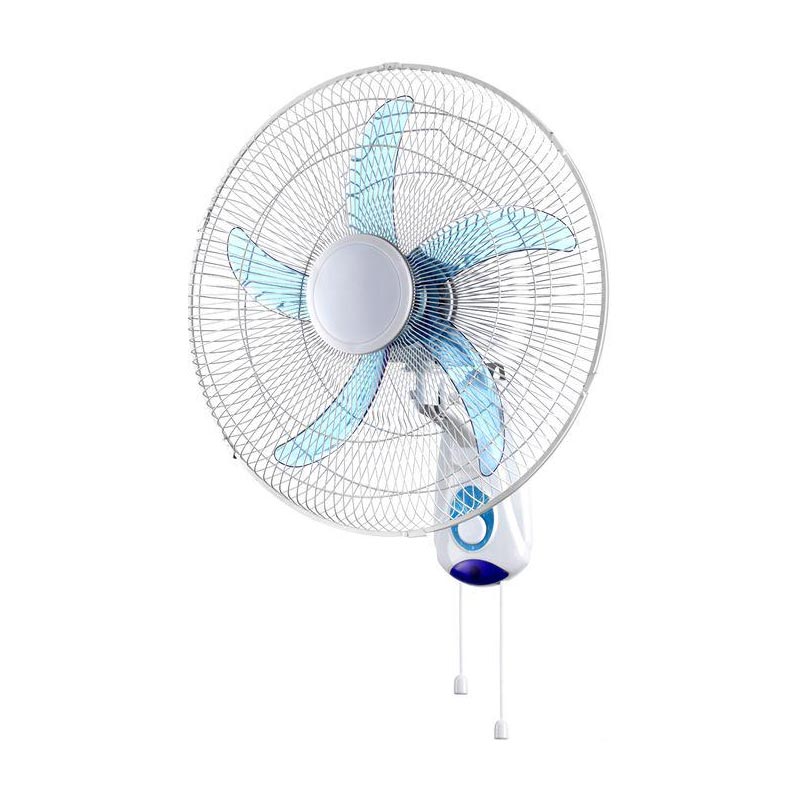
With professional manufacturing experience, Moxie Tech Co., Ltd. provides high-quality wall fan solutions designed for efficient air movement, stable operation, and long-term performance. Understanding the working principles and advantages of wall fans can help users choose the right ventilation equipment and create a more comfortable environment.
Table of Contents
- How Does a Wall Fan Work?
- Why Are Wall Fans Becoming Popular in Different Industries?
- What Problems Can a Wall Fan Solve?
- Key Factors to Consider When Choosing a Wall Fan
- Comparison Between Wall Fans and Other Cooling Solutions
- Applications of Wall Fans in Various Environments
- How Does Moxie Tech Co., Ltd. Support Professional Wall Fan Solutions?
- Frequently Asked Questions About Wall Fans
Article Outline
- Understanding the operating mechanism of wall fans
- Exploring the benefits of wall fans for different spaces
- Identifying common airflow challenges and solutions
- Learning how to select suitable wall fan products
- Discovering professional wall fan applications
- Understanding reliable manufacturing advantages
How Does a Wall Fan Work?
A wall fan is a ventilation device installed on a wall surface to circulate air efficiently throughout an indoor or semi-outdoor area. Unlike traditional floor fans that occupy ground space, wall fans use vertical installation to maximize available space while delivering strong airflow.
The operating principle of a wall fan is based on the rotation of fan blades powered by an electric motor. When the motor drives the blades, air is pulled into the fan and pushed outward in a controlled direction. This continuous air movement helps reduce heat accumulation, improve ventilation, and create a more comfortable environment.
Modern wall fans often include adjustable speed settings, oscillation functions, protective grills, and energy-efficient motors. These features allow users to customize airflow according to specific requirements.
| Component | Function |
|---|---|
| Motor | Provides power to rotate the fan blades and maintain stable airflow. |
| Fan Blades | Create air movement and distribute cooling airflow. |
| Protective Cover | Improves safety by preventing accidental contact with rotating parts. |
| Control System | Allows users to adjust speed and operating modes. |
Why Are Wall Fans Becoming Popular in Different Industries?
Space efficiency and energy management have become important concerns for many users. A wall fan provides an effective solution because it delivers strong airflow without requiring large installation areas.
In comparison with air conditioning systems, wall fans consume significantly less electricity and provide direct air circulation. For large spaces where complete temperature control is unnecessary, wall fans can offer a more economical ventilation approach.
Businesses such as factories, warehouses, restaurants, gyms, and retail stores often require continuous airflow. Wall fans help maintain air freshness and reduce discomfort caused by heat and humidity.
- Space-saving design: Wall installation keeps floors clear and improves workplace organization.
- Lower operating costs: Efficient motors reduce electricity consumption.
- Flexible airflow control: Adjustable settings meet different cooling requirements.
- Easy maintenance: Simple structures make cleaning and servicing more convenient.
What Problems Can a Wall Fan Solve?
Many indoor environments experience airflow problems caused by limited ventilation, crowded layouts, or heat-generating equipment. A wall fan can address these issues by improving air circulation and reducing stagnant air conditions.
| Common Problem | How a Wall Fan Helps |
|---|---|
| Poor air circulation | Creates continuous airflow and distributes fresh air more effectively. |
| High indoor temperature | Improves evaporation and provides a cooling sensation. |
| Limited installation space | Uses wall space instead of occupying valuable floor areas. |
| High energy expenses | Provides economical ventilation compared with full cooling systems. |
For industrial environments, proper airflow is especially important. Heat generated by machines and production processes can affect employee comfort and equipment performance. Installing suitable wall fans can help create a safer and more productive workplace.
Key Factors to Consider When Choosing a Wall Fan
Selecting the right wall fan requires careful consideration of performance, durability, installation conditions, and operating requirements. Different environments may require different specifications.
- Airflow Capacity: The airflow volume should match the size of the installation area. Larger spaces usually require fans with stronger air delivery.
- Motor Quality: A reliable motor ensures stable operation, lower noise, and longer service life.
- Material Selection: High-quality materials improve durability, especially in commercial or industrial environments.
- Noise Level: Quiet operation is important for offices, schools, and residential applications.
- Safety Features: Protective structures and stable mounting systems improve user safety.
- Maintenance Convenience: Easy cleaning and servicing help reduce long-term operating costs.
Comparison Between Wall Fans and Other Cooling Solutions
| Cooling Solution | Main Advantage | Suitable Environment |
|---|---|---|
| Wall Fan | Efficient airflow with space-saving installation | Homes, offices, factories, warehouses |
| Floor Fan | Flexible movement and easy relocation | Small rooms and temporary use |
| Ceiling Fan | Covers large areas from above | Rooms with suitable ceiling structures |
| Air Conditioner | Provides temperature adjustment | Places requiring precise cooling control |
Although air conditioners provide stronger temperature control, they often require higher installation and operating costs. Wall fans are a practical choice when the primary goal is improving airflow and comfort.
Applications of Wall Fans in Various Environments
Wall fans are widely used because they provide reliable ventilation across different industries and environments.
- Industrial Facilities: Factories use wall fans to improve worker comfort and remove hot air from production areas.
- Warehouses: Large storage spaces benefit from improved air circulation and reduced heat buildup.
- Commercial Buildings: Restaurants, gyms, and retail stores use wall fans to enhance customer comfort.
- Agricultural Areas: Farms and livestock facilities use ventilation equipment to maintain suitable air conditions.
- Residential Spaces: Homes and garages benefit from compact and efficient airflow solutions.
How Does Moxie Tech Co., Ltd. Support Professional Wall Fan Solutions?
Choosing a reliable manufacturer is essential for obtaining wall fans with consistent quality and dependable performance. Moxie Tech Co., Ltd. focuses on developing and supplying wall fan products that meet different customer requirements.
Through professional production processes, strict quality management, and continuous product improvement, the company provides solutions suitable for residential, commercial, and industrial applications.
Customers looking for wall fans need more than a basic airflow device. They require products that offer durability, efficiency, safety, and stable performance over time. Moxie Tech Co., Ltd. understands these requirements and provides customized solutions according to different application scenarios.
- Reliable product performance for long-term operation
- Design options suitable for different installation environments
- Professional manufacturing experience and quality control
- Solutions designed to meet global market demands
Frequently Asked Questions About Wall Fans
Q1: What is the main advantage of a wall fan?
A wall fan provides efficient air circulation while saving floor space. It is suitable for environments that require continuous airflow without complex installation.
Q2: Can a wall fan replace an air conditioner?
A wall fan cannot replace air conditioning when precise temperature control is required. However, it is an economical solution for improving ventilation and reducing heat discomfort.
Q3: Where can wall fans be installed?
Wall fans can be installed in homes, offices, factories, warehouses, restaurants, gyms, and many other locations requiring better airflow.
Q4: How can users maintain a wall fan?
Regular cleaning of fan blades and protective covers, checking installation stability, and following manufacturer maintenance recommendations can help extend product life.
Q5: Why choose a professional wall fan manufacturer?
A professional manufacturer can provide reliable quality, suitable product designs, technical support, and solutions that match different application requirements.
Conclusion
A wall fan is an efficient and practical airflow solution that helps solve common ventilation challenges in residential, commercial, and industrial environments. With advantages such as space-saving installation, energy efficiency, flexible airflow control, and easy maintenance, wall fans continue to be an important choice for modern ventilation needs.
Moxie Tech Co., Ltd. provides professional wall fan solutions designed to deliver reliable performance and meet diverse customer requirements. If you are searching for high-quality wall fan products or customized ventilation solutions, please contact us for professional support and product information.
Contact Moxie Tech Co., Ltd. today to explore the right wall fan solution for your application. Feel free to contact us for expert assistance and reliable ventilation products.