

How Does a Voltage Transformer Ensure Electrical System Safety?
2026-02-28
Article Summary
Voltage transformers are critical components in modern electrical systems, providing voltage step-down or step-up functions while ensuring system protection and measurement accuracy. This article explores the working principles, selection criteria, common customer challenges, and maintenance best practices of voltage transformers. It also discusses application scenarios in industrial, commercial, and utility-scale systems. By understanding these key factors, engineers, facility managers, and electrical contractors can optimize system performance and safety. Jinhand offers reliable voltage transformer solutions that meet rigorous quality and performance standards.
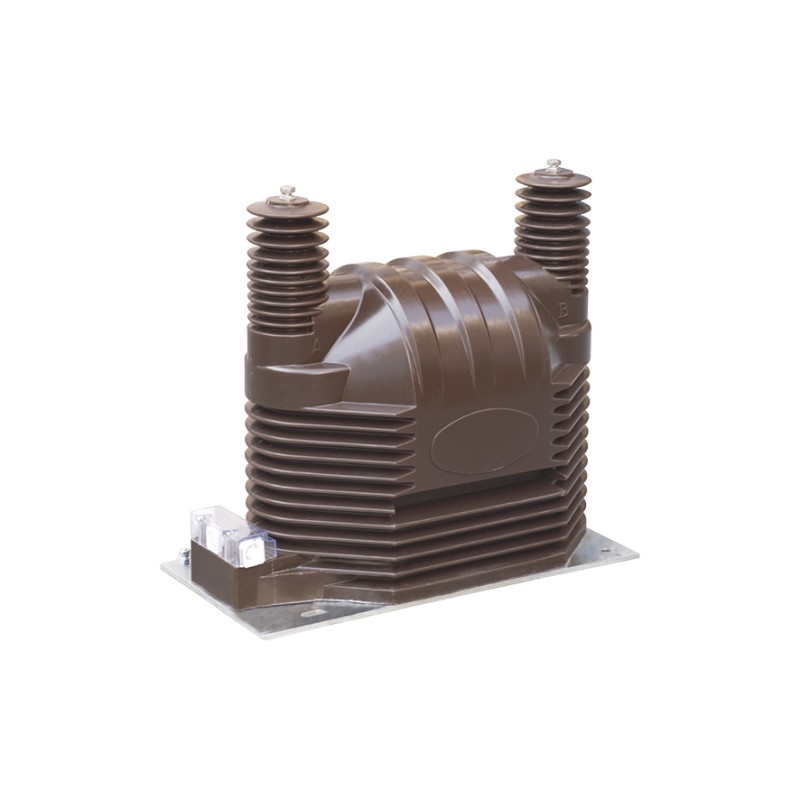
Table of Contents
- Voltage Transformer Overview
- Common Customer Pain Points
- Main Types of Voltage Transformers
- How to Select the Right Voltage Transformer
- Installation and Performance Factors
- Voltage Transformer Comparison Table
- Maintenance and Reliability
- Application Scenarios
- Frequently Asked Questions
- Conclusion and Contact Us
Voltage Transformer Overview
Voltage transformers (VTs) are designed to convert high voltage levels to standardized lower voltages suitable for metering, protection, and control devices. They provide electrical isolation between high-voltage circuits and low-voltage measurement equipment while ensuring accurate voltage readings. Properly designed VTs are essential for preventing system faults, minimizing energy losses, and maintaining operational safety.
Jinhand manufactures a range of voltage transformers that comply with international electrical standards and are engineered to deliver reliable performance in diverse industrial and utility applications.
Common Customer Pain Points
Users of voltage transformers often face operational and technical challenges, particularly during installation, system upgrades, or maintenance.
- Incorrect voltage ratio causing measurement errors
- Overheating or insulation breakdown due to overloading
- Limited compatibility with metering or protective devices
- Unstable output under fluctuating load conditions
- Maintenance difficulties in high-voltage environments
- Premature wear in outdoor or harsh conditions
Addressing these challenges requires proper transformer specification, installation, and routine maintenance.
Main Types of Voltage Transformers
Voltage transformers are classified based on their construction, insulation type, and intended application. The main categories include:
- Electromagnetic Voltage Transformers – Traditional design with iron core and copper windings, suitable for high accuracy metering
- Capacitive Voltage Transformers (CVTs) – High-voltage applications with reduced insulation requirements
- Optical Voltage Transformers – Fiber-optic based measurement offering excellent accuracy and minimal electromagnetic interference
- Instrument Voltage Transformers – Specifically designed for protective relays and metering systems
How to Select the Right Voltage Transformer
Choosing the correct voltage transformer is crucial to ensure system reliability, accurate measurements, and equipment protection. Key selection criteria include:
- Rated primary and secondary voltage levels
- Accuracy class for measurement and protection
- Load capacity and burden requirements
- Environmental conditions (indoor, outdoor, temperature, humidity)
- Compliance with local electrical standards and certifications
Jinhand provides technical support to assist customers in matching transformer specifications with their operational and regulatory requirements.
Installation and Performance Factors
Proper installation is essential for voltage transformer performance and longevity. Critical factors include:
- Correct orientation and mounting to prevent mechanical stress
- Secure electrical connections to minimize voltage drop and contact resistance
- Environmental protection for outdoor or humid installations
- Periodic inspection for insulation integrity and thermal performance
- Integration with protective relays and metering systems for optimal operation
Attention to these factors ensures safe operation and prevents early transformer failure.
Voltage Transformer Comparison Table
| Transformer Type | Primary Voltage | Key Advantages | Typical Applications |
|---|---|---|---|
| Electromagnetic VT | Up to 132kV | High accuracy, proven reliability | Power plants, substations |
| Capacitive VT | 69kV – 500kV | Reduced insulation, compact design | High-voltage transmission networks |
| Optical VT | Up to 145kV | High accuracy, minimal EMI interference | Smart grids, advanced metering |
| Instrument VT | Up to 33kV | Designed for protective relays | Industrial control and automation |
Maintenance and Reliability
Regular maintenance ensures voltage transformers operate safely and reliably over their service life. Recommended practices include:
- Visual inspection for oil leaks, corrosion, and physical damage
- Insulation resistance testing and dielectric strength checks
- Thermal imaging to detect hot spots and overloads
- Calibration checks for accuracy and burden compliance
- Scheduled cleaning and environmental protection for outdoor units
Jinhand provides maintenance guidelines and support services to ensure optimal transformer performance and longevity.
Application Scenarios
Voltage transformers are widely used in multiple sectors to ensure safe and efficient electrical system operation:
- High-voltage power transmission and distribution networks
- Industrial manufacturing plants with heavy electrical loads
- Commercial buildings and critical infrastructure
- Renewable energy systems such as solar and wind farms
- Smart grid and advanced metering installations
Frequently Asked Questions
What is the main purpose of a voltage transformer?
It converts high voltage to a lower voltage suitable for measurement, protection, and control equipment.
How often should voltage transformers be inspected?
Routine inspections are recommended at least once per year, with additional checks after major load changes or environmental exposure.
Can one voltage transformer serve multiple applications?
Yes, depending on its rated capacity and accuracy class, but proper specification is critical to avoid measurement errors.
Are optical voltage transformers better than traditional ones?
Optical VTs provide high accuracy and low electromagnetic interference but may involve higher initial costs.
Conclusion and Contact Us
Voltage transformers are essential for electrical system safety, accurate metering, and reliable protection. Understanding transformer types, proper selection, installation best practices, and maintenance routines significantly improves system performance and longevity.
Jinhand offers high-quality voltage transformers designed to meet diverse industrial, commercial, and utility needs. If you are seeking dependable solutions for safe and efficient electrical systems, contact us today to learn how Jinhand can support your project and optimize your electrical operations.