

How Does a UV Sterilizer Work?
2026-04-07
Abstract: UV sterilizers have become an essential solution for eliminating bacteria, viruses, and harmful microorganisms across homes, hospitals, and industrial environments. This article explains how UV sterilizers function, their benefits, application scenarios, and how to choose the right one for your needs.
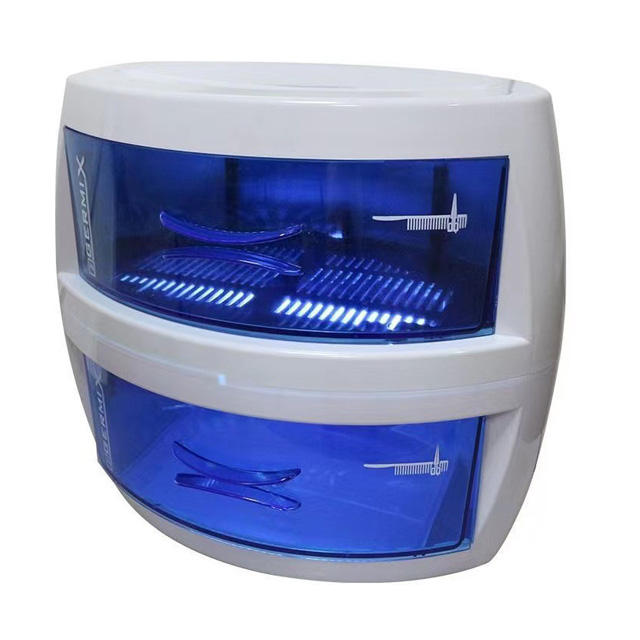
Table of Contents
- 1. Introduction to UV Sterilizers
- 2. How UV Sterilizers Work
- 3. Types of UV Sterilizers
- 4. Key Benefits
- 5. Common Applications
- 6. How to Choose the Right UV Sterilizer
- 7. UV Sterilizer vs Other Methods
- 8. FAQ
1. Introduction to UV Sterilizers
In today’s hygiene-conscious world, ensuring effective sterilization is no longer optional. Traditional cleaning methods often fail to eliminate microscopic pathogens completely. This is where UV sterilizers come into play.
A UV sterilizer uses ultraviolet light, specifically UV-C radiation, to deactivate microorganisms by disrupting their DNA. This prevents bacteria and viruses from reproducing, effectively neutralizing them.
UV sterilization is widely adopted due to its chemical-free operation, fast disinfection speed, and high efficiency.
2. How UV Sterilizers Work
The working principle of a UV sterilizer is based on ultraviolet radiation, typically in the wavelength range of 200–280 nm (UV-C).
Here’s how the process works step by step:
- Emission of UV-C Light: The sterilizer generates UV-C radiation using specialized lamps.
- Penetration of Microorganisms: UV light penetrates the cell walls of bacteria and viruses.
- DNA/RNA Disruption: The radiation damages the genetic material, preventing replication.
- Inactivation: Microorganisms become harmless and unable to spread.
This process occurs within seconds to minutes, depending on exposure intensity and duration.
3. Types of UV Sterilizers
UV sterilizers come in various configurations to suit different environments and use cases.
| Type | Description | Typical Use |
|---|---|---|
| Portable UV Sterilizer | Compact and easy to carry | Travel, personal items |
| UV Cabinet | Enclosed box for tools and devices | Salons, clinics |
| UV Water Sterilizer | Installed in pipelines | Water purification systems |
| UV Air Sterilizer | Integrated with HVAC systems | Hospitals, offices |
4. Key Benefits
Customers often face challenges such as incomplete sterilization, chemical residues, and time inefficiency. UV sterilizers directly address these concerns.
- Chemical-Free: No harmful residues or odors.
- High Efficiency: Eliminates up to 99.9% of microorganisms.
- Fast Operation: Sterilization completed within minutes.
- Eco-Friendly: Reduces reliance on chemical disinfectants.
- Low Maintenance: Minimal operational requirements.
5. Common Applications
UV sterilizers are widely used across multiple industries:
- Healthcare facilities for instrument sterilization
- Food and beverage industry for sanitation
- Residential use for water and air purification
- Beauty salons for tool disinfection
- Industrial environments requiring contamination control
Companies like Shenzhen Ruina Optoelectronic Co.,Ltd provide advanced UV sterilization solutions tailored to diverse application scenarios.
6. How to Choose the Right UV Sterilizer
Selecting the right UV sterilizer can be challenging. Here are key factors to consider:
- Application Type: Air, water, or surface sterilization
- Power Output: Higher wattage ensures stronger sterilization
- Coverage Area: Match device capacity with your space
- Safety Features: Automatic shutoff, shielding
- Certification: Compliance with safety standards
Choosing a reliable manufacturer like Shenzhen Ruina Optoelectronic Co.,Ltd ensures product quality, durability, and consistent performance.
7. UV Sterilizer vs Other Methods
| Method | Effectiveness | Speed | Residue |
|---|---|---|---|
| UV Sterilization | Very High | Fast | None |
| Chemical Disinfection | High | Moderate | Yes |
| Heat Sterilization | High | Slow | None |
UV sterilization stands out for its balance of efficiency, safety, and convenience.
8. FAQ
Q1: Is UV sterilization safe for humans?
Direct exposure to UV-C light can be harmful. Modern devices include safety mechanisms to prevent exposure.
Q2: How long does sterilization take?
Most devices complete sterilization within 5–30 minutes depending on the application.
Q3: Can UV sterilizers kill viruses?
Yes, UV-C light effectively inactivates viruses by damaging their genetic material.
Q4: Do UV sterilizers require maintenance?
Lamp replacement is typically required after a certain number of operating hours.
Conclusion
UV sterilizers provide a modern, efficient, and eco-friendly solution for disinfection across various industries. Their ability to eliminate harmful microorganisms quickly without chemicals makes them an increasingly popular choice.
If you are looking for reliable and high-performance UV sterilization solutions, Shenzhen Ruina Optoelectronic Co.,Ltd offers advanced products designed to meet diverse needs. Explore more about their solutions here: UV Sterilizer Product Page.
Looking to upgrade your sterilization system? Contact us today to find the perfect UV sterilizer solution tailored to your requirements.