

Article Summary
Indoor air quality has become a major concern for homes, hospitals, laboratories, offices, schools, and commercial facilities. Airborne bacteria, viruses, allergens, and harmful microorganisms can circulate through indoor environments and create potential health risks. A UV Air Sterilizer provides an effective solution by using ultraviolet light technology to neutralize microorganisms and improve air cleanliness.
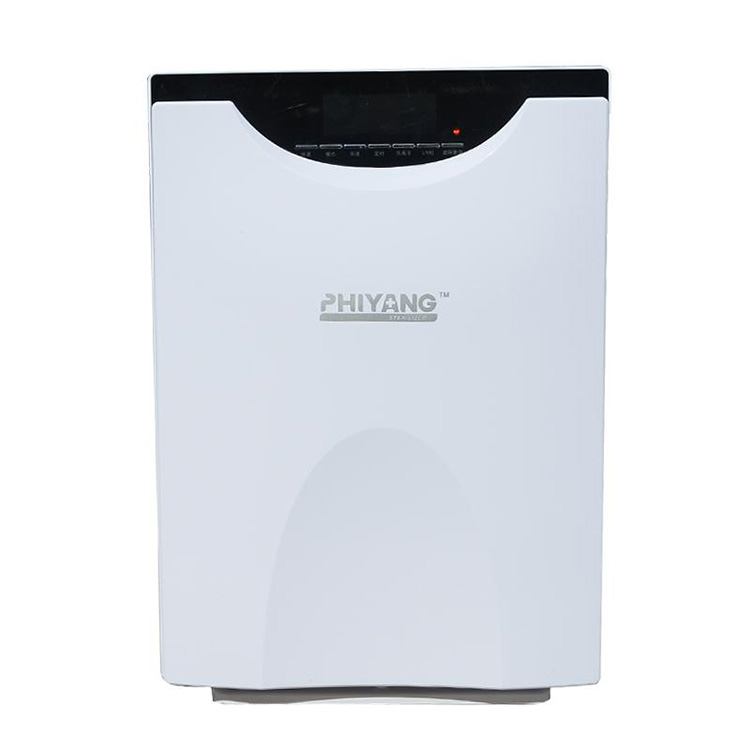
This article explains how a UV Air Sterilizer works, why traditional air cleaning methods may not be enough, what benefits it provides, and how businesses and individuals can choose the right sterilization solution. With advanced sterilization technology and professional manufacturing experience, JIBIMED delivers reliable UV air purification solutions designed for different application environments.
Table of Contents
- Article Outline
- Why Indoor Air Sterilization Has Become Important
- How Does a UV Air Sterilizer Work?
- Key Advantages of Using a UV Air Sterilizer
- Where Can UV Air Sterilizers Be Used?
- How to Choose the Right UV Air Sterilizer
- UV Air Sterilizer vs Traditional Air Purification Methods
- Maintenance Tips for Better Performance
- Frequently Asked Questions
Article Outline
- Understanding the challenges of indoor air contamination
- Explaining the working principle of UV sterilization technology
- Exploring the benefits of UV Air Sterilizer systems
- Analyzing different application scenarios
- Providing practical buying and maintenance guidance
- Answering common questions about UV air sterilization
Why Has Indoor Air Sterilization Become Important?
Modern buildings are designed with improved insulation and energy efficiency, but reduced natural ventilation can also limit fresh air circulation. As a result, airborne pollutants and microorganisms may remain indoors for extended periods.
Common indoor air contaminants include:
- Bacteria and viruses carried through airborne particles
- Dust and microscopic allergens
- Mold spores caused by humidity
- Odors and organic pollutants
- Particles generated from daily activities and industrial processes
For environments such as hospitals, clinics, food processing facilities, and laboratories, maintaining cleaner air is especially important. Conventional cleaning methods may remove particles but cannot always eliminate microorganisms. This is where UV sterilization technology provides additional protection.
A UV Air Sterilizer uses ultraviolet radiation to target microorganisms directly, helping create a cleaner and safer indoor environment without adding chemical substances into the air.
How Does a UV Air Sterilizer Work?
A UV Air Sterilizer mainly relies on ultraviolet-C (UV-C) light technology. UV-C light has a short wavelength that can penetrate microorganisms and interfere with their DNA or RNA structure.
When microorganisms such as bacteria, viruses, and mold particles pass through the sterilization chamber, the UV-C energy damages their genetic material. This prevents them from reproducing and reduces their ability to spread.
The typical sterilization process includes several steps:
- Air intake: Indoor air enters the sterilization system through an air circulation channel.
- UV exposure: Air passes through an area equipped with UV-C lamps or UV modules.
- Microorganism treatment: Ultraviolet energy disrupts microorganisms.
- Clean air release: Treated air returns to the indoor environment.
Compared with chemical disinfection methods, UV sterilization does not require consumable disinfectants and does not produce chemical residues. This makes it suitable for continuous air treatment in many professional environments.
What Are the Key Advantages of Using a UV Air Sterilizer?
A UV Air Sterilizer provides multiple advantages for users who need reliable indoor air protection.
- Efficient microorganism control: UV-C technology can help reduce airborne bacteria, viruses, and other microorganisms.
- Chemical-free operation: The sterilization process relies on ultraviolet energy instead of chemical disinfectants.
- Continuous air purification: Many UV air sterilization systems can operate continuously to support long-term indoor air management.
- Low maintenance requirements: Compared with complicated disinfection systems, UV solutions generally require simple routine maintenance.
- Wide application range: UV Air Sterilizers can be adapted for residential, medical, commercial, and industrial environments.
For organizations looking for a balance between safety, efficiency, and operational convenience, UV sterilization offers a practical air treatment solution.
Where Can UV Air Sterilizers Be Used?
Different industries have different air quality requirements. A suitable UV Air Sterilizer can provide targeted solutions based on environmental conditions.
- Hospitals and healthcare facilities: Help maintain cleaner air in patient rooms, laboratories, and medical spaces.
- Food processing plants: Support hygiene management by reducing airborne microorganisms.
- Laboratories: Provide additional air sterilization protection in controlled environments.
- Schools and offices: Improve indoor air conditions in high-occupancy areas.
- Hotels and public buildings: Enhance air quality for customers and visitors.
- Homes: Provide an additional layer of protection for families seeking cleaner indoor air.
JIBIMED develops UV air sterilization products that can meet different environmental requirements, helping customers achieve safer and more comfortable air circulation.
How to Choose the Right UV Air Sterilizer?
Selecting an appropriate UV Air Sterilizer requires consideration of several important factors. A wrong selection may result in insufficient air treatment efficiency or unnecessary operating costs.
- Air treatment capacity: Choose equipment according to room size, airflow requirements, and usage frequency.
- Sterilization efficiency: Check whether the system provides effective UV-C exposure and reliable performance.
- Safety design: The product should include protective features suitable for the intended installation environment.
- Energy consumption: Energy-efficient designs help reduce long-term operating expenses.
- Product quality: Reliable components and professional manufacturing standards ensure stable operation.
Before purchasing, customers should evaluate their specific application conditions and consult professional suppliers for suitable recommendations.
UV Air Sterilizer Compared with Traditional Air Purification Methods
Different air purification technologies have different working principles. Understanding their differences helps users select the right solution.
- Air filters: Primarily capture particles but may require regular replacement and cannot directly sterilize all microorganisms.
- Chemical disinfectants: Can eliminate microorganisms but may create residues and require manual application.
- UV Air Sterilizers: Use ultraviolet technology to reduce microorganisms through physical sterilization without chemical additives.
In many professional applications, UV sterilization is combined with other air purification methods to create a more comprehensive air management system.
How to Maintain a UV Air Sterilizer for Better Performance?
Proper maintenance helps extend equipment service life and maintain consistent sterilization performance.
- Clean external surfaces regularly to prevent dust accumulation.
- Check UV lamp or UV module performance according to manufacturer recommendations.
- Ensure air channels remain unobstructed.
- Replace components when they reach their recommended service period.
- Follow professional installation and operation guidelines.
Regular inspection and correct operation can help ensure that the UV Air Sterilizer continues providing effective air treatment over time.
Frequently Asked Questions About UV Air Sterilizers
1. What does a UV Air Sterilizer remove from the air?
A UV Air Sterilizer is mainly designed to reduce airborne microorganisms such as bacteria, viruses, and mold spores by using UV-C sterilization technology.
2. Is UV sterilization safe for indoor environments?
Professional UV Air Sterilizers are designed with safety considerations to ensure suitable operation in different indoor environments. Users should always follow product instructions.
3. How long does a UV Air Sterilizer last?
Service life depends on product design, operating conditions, and maintenance practices. Regular inspection helps maintain stable performance.
4. Can UV Air Sterilizers be used in hospitals?
Yes. UV sterilization technology is widely applied in healthcare environments, laboratories, and other locations where air cleanliness is important.
5. Why choose JIBIMED for UV Air Sterilization solutions?
JIBIMED focuses on developing reliable sterilization products with professional technology, quality control, and application-oriented solutions. The company provides UV air sterilization equipment designed to support various customer requirements.
Conclusion
Indoor air quality directly affects comfort, safety, and operational efficiency in many environments. A UV Air Sterilizer provides an effective way to reduce airborne microorganisms through advanced ultraviolet technology while avoiding chemical residues.
By understanding how UV sterilization works, evaluating application requirements, and selecting reliable equipment, users can build cleaner and healthier indoor spaces. JIBIMED continues to provide professional UV air sterilization solutions to help customers improve air safety and create better environments. If you need customized UV sterilization products or professional support, please contact us for more information and suitable solutions.