

How Does a Tubular Motor Transmitter Work and What Are Its Applications?
2025-12-19
Abstract: This article provides a comprehensive guide to Tubular Motor Transmitters, detailing their technical parameters, installation procedures, troubleshooting strategies, and practical applications. Readers will gain an in-depth understanding of how these devices operate, how to maintain them efficiently, and how they integrate into modern automation systems. Additionally, this article addresses frequently asked questions to clarify common challenges and considerations in the use of Tubular Motor Transmitters.
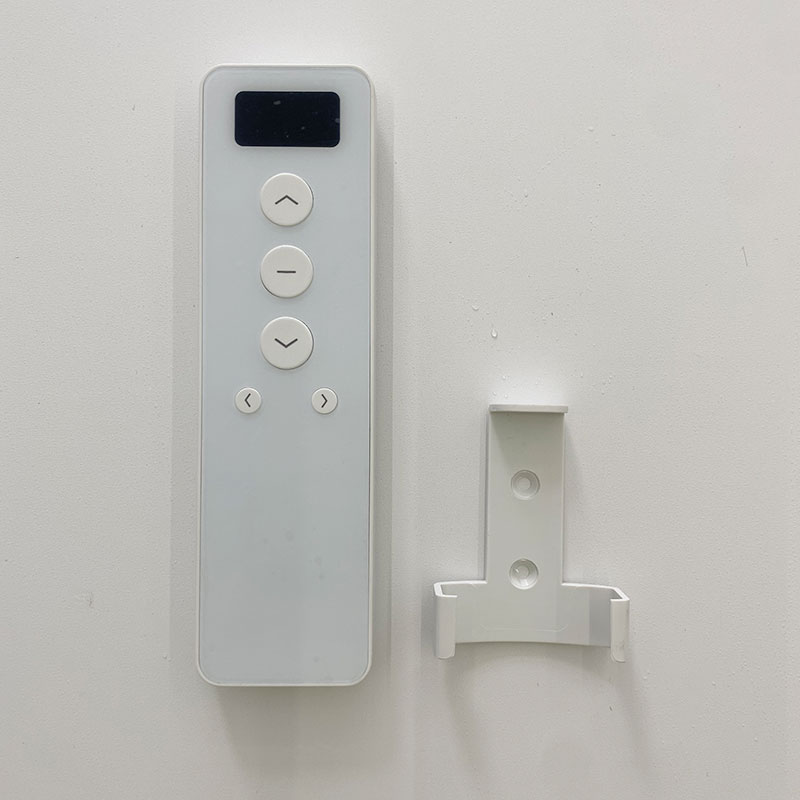
Table of Contents
- Introduction to Tubular Motor Transmitters
- Technical Specifications
- Applications and Installation
- Frequently Asked Questions (FAQ)
- Conclusion and Contact
1. Introduction to Tubular Motor Transmitters
Tubular Motor Transmitters are essential components in automated window, curtain, and roller shutter systems. These devices allow remote control and precise management of tubular motors, offering seamless integration with modern home and commercial automation setups. By converting radio frequency signals into motor commands, the transmitter ensures smooth operation, reliable control, and enhanced user convenience.
The central purpose of this guide is to provide a detailed understanding of Tubular Motor Transmitters, exploring their core specifications, installation requirements, and common troubleshooting techniques while addressing practical concerns faced by users.
2. Technical Specifications
Below is a summary of typical Tubular Motor Transmitter parameters, reflecting professional-grade devices used in window and door automation:
| Parameter | Description |
|---|---|
| Frequency | 433.92 MHz / 868 MHz (depending on model) |
| Power Supply | 2 × AA batteries or 12V DC adapter |
| Control Range | Up to 30 meters indoors, 50 meters outdoors |
| Channels | Single or multi-channel options available (1-16 channels) |
| Operating Temperature | -10°C to +55°C |
| Compatibility | Compatible with most tubular motors used for roller shutters, blinds, and awnings |
| Signal Type | Rolling code RF for secure transmission |
| Mounting | Wall-mounted or handheld transmitter options |
3. Applications and Installation
Applications
Tubular Motor Transmitters are widely used in residential, commercial, and industrial environments. Typical applications include:
- Automated window blinds and roller shutters
- Electric curtains for hotels and offices
- Remote-controlled awnings for outdoor spaces
- Integration with smart home systems for energy efficiency and convenience
Installation Guidelines
Installing a Tubular Motor Transmitter involves several key steps:
- Identify compatible motor: Ensure the transmitter matches the frequency and signal type of the motor.
- Power setup: Insert batteries or connect a DC power adapter according to the device specifications.
- Pairing procedure: Follow the motor manual to pair the transmitter with the motor, usually via a learning button or pairing code.
- Test operation: Verify that the transmitter controls the motor correctly, adjusting settings such as travel limits or speed if supported.
- Secure installation: Mount wall transmitters at convenient locations for easy access.
4. Frequently Asked Questions (FAQ)
Q1: How can a Tubular Motor Transmitter be paired with multiple motors?
A1: Most modern Tubular Motor Transmitters support multi-channel operation, allowing one transmitter to control several motors individually. Pair each motor separately following the manufacturer’s pairing procedure, ensuring each motor is assigned a unique channel to avoid signal conflicts.
Q2: What should be done if the transmitter does not operate the motor?
A2: First, check the battery level or power supply. Ensure the frequency matches the motor specification. Re-pair the transmitter with the motor if necessary. Also, check for physical obstacles or signal interference that could reduce operational range.
Q3: Can a Tubular Motor Transmitter integrate with smart home automation?
A3: Yes, many transmitters support integration with smart home controllers or hubs. This can involve connecting via RF receivers or using wireless gateways to enable smartphone or voice control, depending on system compatibility.
5. Conclusion and Contact
Tubular Motor Transmitters represent a critical component in automated window, curtain, and shutter systems. By understanding their specifications, applications, and installation procedures, users can optimize performance, ensure safety, and extend device lifespan. For high-quality solutions, NINGBO FUTAI WINDOW AND DOOR AUTOMATION TECHNOLOGY CO., LTD. provides a comprehensive range of reliable Tubular Motor Transmitters designed for both residential and commercial applications. For inquiries and purchasing details, contact us directly to receive expert guidance and support.