

How Does a Solar PV Junction Box Enhance Panel Efficiency and Long-Term Performance?
2025-12-10
A Solar PV Junction Box is a compact but essential component mounted at the back of a solar module, responsible for electrical connectivity, current transfer, protection, and long-term power stability. It houses diodes, terminals, and connectors that ensure safe, uninterrupted flow of electricity from the solar panel to the inverter or charge controller. As global demand for high-efficiency renewable energy systems grows, the quality and configuration of the junction box significantly influence the overall performance, safety, and service life of a PV module.
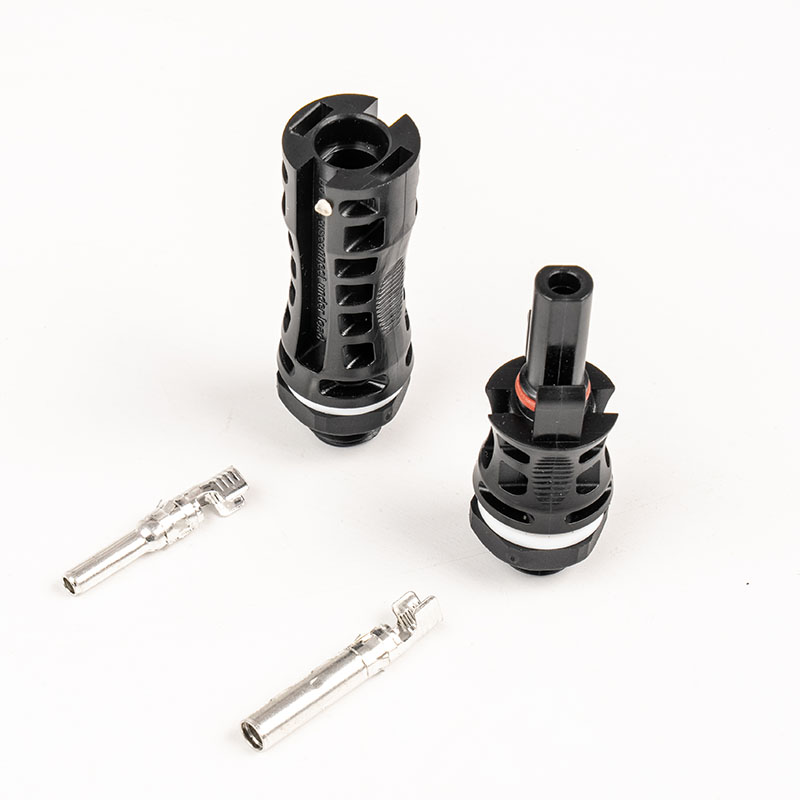
Below is a concise parameter overview to showcase key specifications found in high-grade Solar PV Junction Boxes widely used in residential, commercial, and utility-scale solar applications:
Solar PV Junction Box Key Parameters
| Category | Technical Specification |
|---|---|
| Rated Voltage | DC 1000V / 1500V |
| Rated Current | 10A / 15A / 20A / 25A / 30A (depending on design) |
| Protection Level | IP65 / IP67 Dustproof & Waterproof |
| Cable Specification | 4mm² / 6mm² double-insulated solar cable |
| Termination Method | Soldering or mechanical press-fit |
| Output Type | MC4 compatible connectors |
| Diode Configuration | 1, 2, or 3 bypass diodes (Schottky or enhanced-efficiency diodes) |
| Material | UV-resistant PA66, flame-retardant plastic |
| Operating Temperature | -40°C to +85°C |
| Insulation Resistance | >4000 MΩ |
| Fire Safety Rating | UL94-V0 |
| Cable Gland Strength | ≥100N pull resistance |
| Service Life Expectation | 25 years+ module life |
Each parameter contributes to the reliability of the PV system, ensuring stable electrical output and improving the longevity of solar installations. The following sections detail how these features translate into real-world performance.
How Do Solar PV Junction Boxes Improve Power Output and System Protection?
Solar PV Junction Boxes are designed to regulate the direction, flow, and safety of DC electricity produced by photovoltaic cells. This section explains how technical elements such as bypass diodes, insulation, heat-resistant materials, and IP ratings directly influence panel efficiency and prevent performance losses.
Optimized Current Path and Reduced Power Loss
The junction box provides a structured path for current to flow smoothly from the PV cells to the cables. Proper internal wiring and high-conductivity metals reduce resistive losses, ensuring maximum power conversion. Advanced junction boxes use thick copper busbars and silver solder joints to improve conductivity and minimize thermal accumulation.
Bypass Diodes: Preventing Hotspots and Maintaining Efficiency
Partial shading is a common issue in PV systems, causing hotspot formation and serious power losses. High-quality junction boxes integrate Schottky bypass diodes that:
-
Allow current to bypass shaded cell strings
-
Prevent thermal hotspots that can damage cells
-
Maintain output even during shading events
-
Enhance safety and panel longevity
Modern diode technology reduces voltage drop, resulting in higher energy yield.
Robust Waterproof and Dustproof Protection
The IP65/IP67 protection rating ensures long-term durability:
-
IP65: Resistant to low-pressure water jets and dust
-
IP67: Fully dust-tight and withstands temporary submersion
These ratings protect internal circuits from moisture, rain, sand, and high humidity, especially in coastal, desert, and high-temperature environments.
Superior Material Engineering for Outdoor Durability
High-grade junction boxes use:
-
PA66 UV-resistant polymer to prevent fading and cracking
-
UL94-V0 flame-retardant rating for maximum fire safety
-
Silicone sealing gel for thermal balance and vibration protection
These materials allow the box to withstand 25+ years of extreme weather cycles.
Enhanced Mechanical Strength and Secure Cable Management
Proper cable anchoring prevents:
-
Accidental cable disconnection
-
Pulling forces caused by wind pressure
-
Long-term loosening due to thermal expansion
A strong 100N+ cable gland ensures long service life and safe current transmission.
Q&A: Solar PV Junction Box Common Questions
Q1: Why do solar panels need bypass diodes inside the junction box?
A: Bypass diodes prevent current from flowing backward through shaded or damaged cells. Without diodes, shaded cells can cause overheating, hotspots, and significant power loss. Diodes allow electricity to bypass the affected string, protecting the module and maintaining energy output in low-light or partially shaded conditions.
Q2: How does the IP rating affect junction box performance?
A: A higher IP rating means stronger resistance to dust and water. For outdoor solar applications, IP65 or IP67 ensures components remain functional in rain, humidity, sandstorms, and snow. This protection prevents internal corrosion, electrical short circuits, and premature product failure.
How Does Product Quality Influence Long-Term Stability in Solar PV Junction Boxes?
Solar installations are long-term investments, and the reliability of each electrical component significantly influences system performance. The junction box, though small, is a critical point where electrical, mechanical, and environmental factors converge.
Impact of Heat Dissipation on Panel Performance
Bypass diodes generate heat, especially in high-current modules. Excessive heat inside the junction box can:
-
Increase diode failure risk
-
Accelerate material aging
-
Reduce electrical efficiency
Manufacturers address this by using thermally conductive gels, optimized internal layouts, and flame-retardant plastics to disperse heat more efficiently.
Importance of High-Quality Diodes
Diode selection affects the operational lifespan of the PV module. High-reliability diodes:
-
Offer low forward voltage drop
-
Reduce reverse leakage
-
Maintain stable operation under extreme heat
This minimizes risk of thermal runaway and performance degradation.
Importance of Strong Insulation and Voltage Management
Since solar arrays may operate at 1000V or 1500V, insulation quality is essential. Properly engineered junction boxes maintain:
-
High insulation resistance
-
Safe current distribution
-
Low risk of arcing or short circuits
Safety is especially important in high-voltage commercial and utility-scale systems.
Durability in Different Climates
Solar PV Junction Boxes must survive:
-
High UV exposure
-
Marine salt corrosion
-
Desert heat
-
Winter snow load
-
Strong wind vibrations
-
Daily thermal cycles
Engineering enhancements, such as UV-stabilized polymer compounds and reinforced adhesives, maintain long-term structural integrity.
Maintenance and Failure Prevention
A durable junction box reduces operational costs. Well-designed systems minimize:
-
Connector burnouts
-
Loose terminals
-
Moisture intrusion
-
Diode failure
High-quality junction boxes significantly cut down long-term O&M expenditure.
What Are the Future Trends in Solar PV Junction Box Technology?
The PV industry is evolving rapidly, and junction boxes are now part of more advanced, intelligent, and integrated systems. Several trends are shaping next-generation designs.
Smart Monitoring Junction Boxes
New technologies include:
-
Temperature sensors
-
Real-time current monitoring
-
Automated failure detection
-
Integrated microchips for early troubleshooting
These innovations boost system transparency and reduce downtime.
High-Voltage and High-Current Compatibility
With increasing module power ratings (600W+), future junction boxes will focus on:
-
Higher thermal limits
-
Larger current-carrying capacity
-
New diode technologies
-
Better heat-conductive encapsulants
This ensures stability in ultra-high-power PV modules.
Easier Assembly and Solder-Free Innovations
Automated assembly and solder-free designs:
-
Reduce human error
-
Improve consistency
-
Lower production costs
-
Increase mechanical reliability
Press-fit terminals and quick-lock cable systems are becoming industry standards.
Eco-Friendly and Recyclable Materials
Sustainability demands materials such as:
-
Recyclable thermoplastics
-
RoHS-compliant flame retardants
-
Low-carbon production methods
Future junction boxes will balance performance and environmental responsibility.
Thermal Optimization and New Diode Types
Research areas include:
-
MOSFET-based bypass switches
-
Active cooling designs
-
Lower power-loss diode configurations
These developments aim to drastically improve energy retention and protection.
Why Choose Advanced Solar PV Junction Boxes from Dsola?
A Solar PV Junction Box may appear simple, but its role in efficiency, safety, and long-term reliability is irreplaceable. Proper diode selection, IP-rated sealing, robust material engineering, and long-term heat resistance determine the performance of every solar module. As solar technology evolves, high-quality junction boxes will remain essential for maintaining stable output and protecting solar systems across decades.
Dsola specializes in producing high-performance Solar PV Junction Boxes engineered for modern solar applications. With advanced materials, superior sealing technology, and optimized diode configurations, Dsola provides dependable solutions designed for global residential, commercial, and utility-scale systems.
To receive detailed product specifications, technical consultation, or customized OEM/ODM support, contact us today and learn how Dsola can enhance the performance of your solar module lineup.