

How Does a Solar Combiner Box Improve Photovoltaic System Performance?
2026-02-27
Article Summary
A Solar Combiner Box is a critical electrical component in photovoltaic power systems, designed to safely combine multiple solar string outputs into a single circuit before connection to an inverter. Its role extends beyond simple current aggregation, directly influencing system safety, reliability, maintenance efficiency, and long-term operational stability. This comprehensive guide explains how a solar combiner box works, the common challenges faced by system owners and installers, how to select the right configuration, and why professional design matters. It also outlines how ICHYTI delivers dependable solar combiner box solutions for residential, commercial, and utility-scale solar projects.
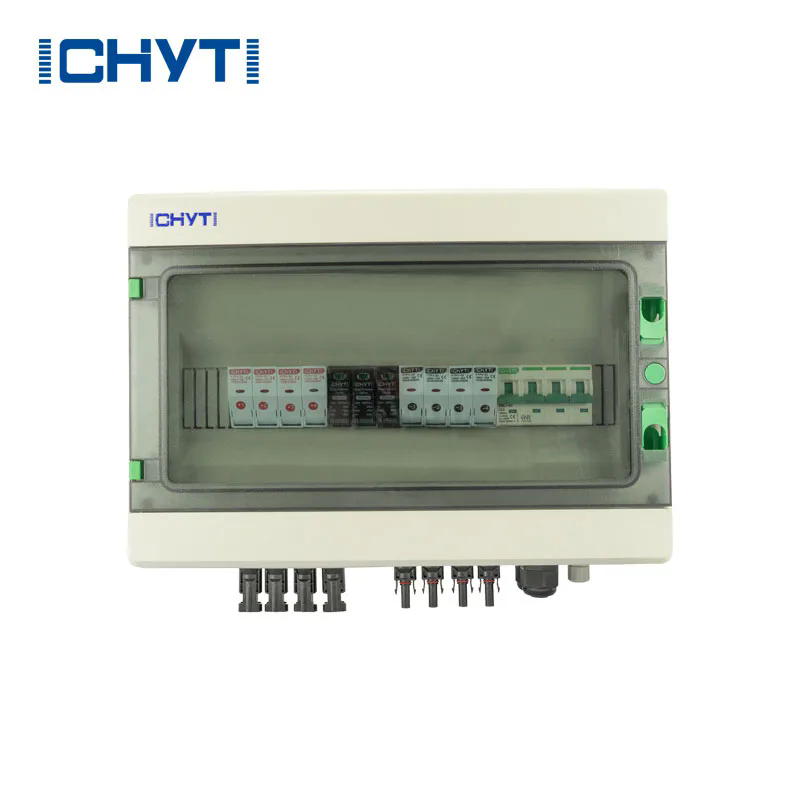
Table of Contents
- Content Outline
- Solar Combiner Box Overview
- Common Customer Pain Points
- How a Solar Combiner Box Works
- Core Components and Functions
- How to Choose the Right Solar Combiner Box
- Configuration Comparison Table
- Installation and Maintenance Considerations
- Application Scenarios
- Frequently Asked Questions
- Conclusion and Contact Us
Content Outline
- Understanding the role of a solar combiner box in PV systems
- Identifying operational and safety challenges
- Exploring internal structure and protection mechanisms
- Guidance for selection, installation, and long-term use
- Value of professional manufacturing and design
Solar Combiner Box Overview
A Solar Combiner Box is an enclosure that consolidates the outputs of multiple photovoltaic strings into a single DC output. This consolidated output is then routed to the inverter or DC distribution equipment. By centralizing connections and protection devices, the combiner box simplifies system architecture and enhances safety.
In modern solar installations, especially medium to large-scale systems, the solar combiner box is essential for current management, fault isolation, and system monitoring. ICHYTI designs solar combiner boxes that integrate electrical protection, structural durability, and flexible configuration to meet diverse project requirements.
Common Customer Pain Points
System owners and installers often face recurring challenges related to improper combiner box selection or low-quality components.
- Overheating caused by insufficient current rating
- Difficulty in troubleshooting string-level faults
- Inadequate protection against lightning and surges
- Water ingress due to poor enclosure sealing
- Complex wiring leading to installation errors
Addressing these pain points requires a well-designed solar combiner box that balances electrical performance with practical usability.
How a Solar Combiner Box Works
A solar combiner box collects DC power from multiple PV strings through individual input terminals. Each string typically passes through protective devices before being combined onto a common busbar. This structure allows for controlled current flow and localized fault protection.
- Individual string inputs with fuse or breaker protection
- Busbar system for current aggregation
- Single or multiple DC output connections
- Grounding and surge protection integration
By organizing these functions in one enclosure, the solar combiner box improves system efficiency and simplifies downstream electrical design.
Core Components and Functions
The internal configuration of a solar combiner box determines its performance and reliability. Key components include:
- DC fuses or circuit breakers for string protection
- Surge protection devices for lightning resistance
- DC isolators for maintenance safety
- Monitoring modules for current and voltage tracking
- Weather-resistant enclosure materials
ICHYTI emphasizes component compatibility and thermal management to ensure stable operation under varying environmental conditions.
How to Choose the Right Solar Combiner Box
Selecting the correct solar combiner box requires careful evaluation of both electrical and environmental parameters.
- Number of PV strings and maximum input current
- System voltage rating
- Indoor or outdoor installation environment
- Local electrical standards and safety requirements
- Future system expansion considerations
A properly matched combiner box minimizes energy loss, reduces maintenance costs, and improves overall system safety.
Solar Combiner Box Configuration Comparison
| Configuration Type | String Capacity | Protection Features | Typical Application |
|---|---|---|---|
| Basic Combiner Box | 4–6 strings | DC fuses | Small residential systems |
| Standard Combiner Box | 8–12 strings | Fuses + surge protection | Commercial rooftops |
| Advanced Combiner Box | 16+ strings | Full protection + monitoring | Utility-scale solar plants |
Installation and Maintenance Considerations
Proper installation directly affects the lifespan and performance of a solar combiner box.
- Ensure adequate ventilation and heat dissipation
- Maintain proper cable routing and labeling
- Use certified connectors and terminals
- Schedule periodic inspections and torque checks
High-quality manufacturing, such as that provided by ICHYTI, reduces installation complexity and supports long-term operational stability.
Application Scenarios
Solar combiner boxes are used across a wide range of photovoltaic installations.
- Residential rooftop solar systems
- Commercial and industrial PV projects
- Ground-mounted solar power stations
- Off-grid and hybrid energy systems
Each application benefits from tailored combiner box configurations aligned with system scale and environmental exposure.
Frequently Asked Questions
Is a solar combiner box required for all PV systems?
Small systems may not require one, but medium and large installations benefit significantly from centralized protection and organization.
Can a solar combiner box improve system safety?
Yes. It provides overcurrent protection, surge protection, and safe isolation points.
How often should a solar combiner box be inspected?
Routine inspections are recommended annually or according to local electrical standards.
What happens if a combiner box is undersized?
Undersizing can lead to overheating, component failure, and increased fire risk.
Conclusion and Contact Us
A Solar Combiner Box is more than a junction point—it is a vital safeguard that enhances photovoltaic system performance, safety, and maintainability. By understanding its function, selecting the correct configuration, and ensuring proper installation, system owners can significantly improve operational reliability and long-term energy output.
ICHYTI specializes in manufacturing robust and adaptable solar combiner box solutions designed to meet real-world project demands. If you are planning a new solar installation or upgrading an existing system, contact us today to learn how ICHYTI can support your project with reliable products and professional expertise.