

How Does a Ring Main Unit Improve Electrical Distribution?
2026-06-02
Abstract: Ring Main Units (RMUs) are essential components in modern electrical distribution networks, providing reliability, safety, and efficient power management. This article explores how RMUs work, their benefits, installation considerations, common challenges, and frequently asked questions to help engineers, facility managers, and electrical professionals make informed decisions.
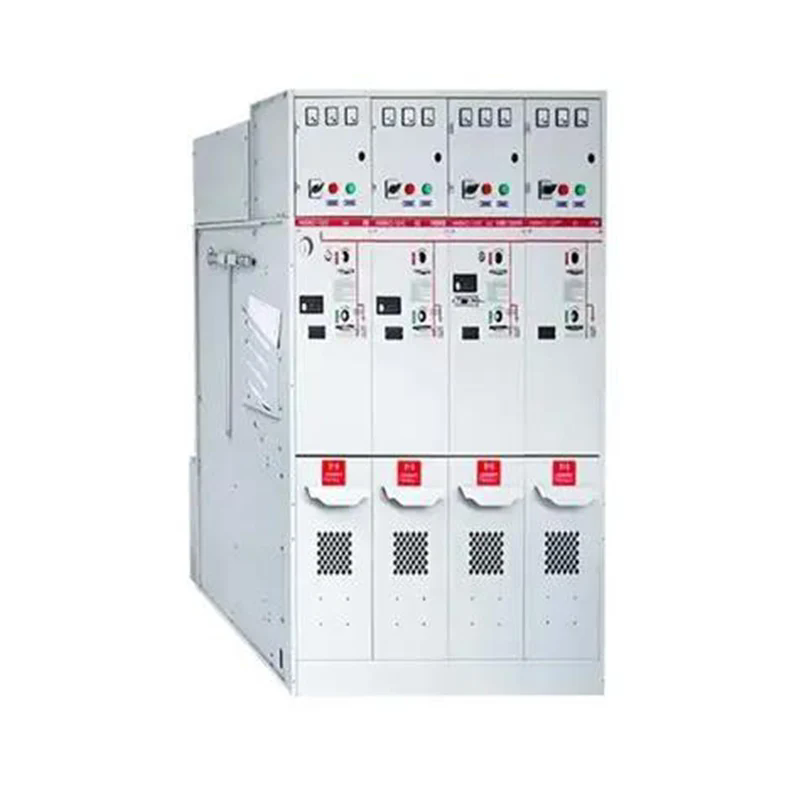
Table of Contents
- What is a Ring Main Unit?
- How Does a Ring Main Unit Work?
- Key Components of an RMU
- Advantages of Using an RMU
- Installation and Maintenance Tips
- Common Challenges and Solutions
- FAQ
What is a Ring Main Unit?
A Ring Main Unit (RMU) is a type of electrical switchgear used to control, protect, and isolate electrical equipment in medium-voltage distribution networks. It forms part of a ring circuit, which ensures continuity of power supply even if one segment of the network experiences a fault. RMUs are widely used in industrial plants, commercial facilities, and urban electrical grids.
Key Features:
- Compact and space-saving design
- High operational safety with minimal human intervention
- Reliability in medium-voltage networks (typically 11kV to 36kV)
- Flexibility for future network expansion
How Does a Ring Main Unit Work?
RMUs operate by connecting multiple feeders in a loop configuration. The primary purpose is to ensure that power can flow in both directions, which reduces downtime in case of a fault.
Operational Steps:
- Normal operation allows electricity to flow through the loop.
- If a fault occurs, circuit breakers isolate the faulty section.
- The rest of the network remains energized, maintaining supply continuity.
- Maintenance can be performed safely without shutting down the entire network.
The diagram below illustrates a typical RMU connection:
| Component | Function |
|---|---|
| Circuit Breaker | Interrupts the current during faults |
| Load Break Switch | Allows safe disconnection of equipment |
| Busbar | Distributes power to multiple feeders |
| Voltage Transformer | Monitors network voltage for protection and measurement |
Key Components of an RMU
Understanding the main components helps in selecting the right RMU for your application:
- Circuit Breakers: Protect the system by automatically interrupting overcurrent or fault conditions.
- Load Break Switches: Provide manual or motorized isolation of feeders.
- Busbars: Conduct electricity to multiple outgoing circuits.
- Insulated Enclosures: Ensure safety and prevent environmental contamination.
- Control Panels: Offer monitoring, control, and automation features.
Advantages of Using an RMU
Ring Main Units offer several benefits that address common electrical distribution challenges:
- Reliability: Continuous power supply even during maintenance or faults.
- Safety: Insulated compartments reduce the risk of accidents.
- Compact Design: Space-saving compared to traditional switchgear rooms.
- Flexibility: Easy integration with future network expansions.
- Cost Efficiency: Lower installation and maintenance costs over the system’s lifecycle.
Installation and Maintenance Tips
Proper installation and regular maintenance ensure RMUs function optimally:
Installation Guidelines:
- Choose a location with adequate ventilation and easy access.
- Ensure the foundation can support the RMU’s weight.
- Verify that all feeders and busbars are correctly rated.
Maintenance Best Practices:
- Inspect switches, breakers, and insulation regularly.
- Clean compartments to prevent dust accumulation.
- Test protection relays and control systems periodically.
Common Challenges and Solutions
While RMUs are reliable, some issues may arise:
| Issue | Cause | Solution |
|---|---|---|
| Frequent tripping | Overcurrent or short circuit | Check load rating and replace faulty equipment |
| Corrosion | Moisture ingress | Inspect seals and install in dry environment |
| Operational noise | Loose components or mechanical wear | Perform preventive maintenance and tighten connections |
Frequently Asked Questions
1. What voltage range do RMUs typically support?
RMUs are commonly designed for medium-voltage networks ranging from 11kV to 36kV.
2. Can RMUs be installed outdoors?
Yes, RMUs with weatherproof enclosures are suitable for outdoor installation.
3. How long is the lifespan of an RMU?
With proper maintenance, RMUs can operate reliably for 25-30 years.
4. Are RMUs compatible with renewable energy systems?
Yes, RMUs can integrate with solar, wind, and hybrid microgrids to improve distribution reliability.
For high-quality Ring Main Units designed to enhance your electrical distribution network, Juchen Electrical Technology Co., Ltd. offers reliable solutions that ensure safety, efficiency, and long-term performance. Contact us today to discuss your project needs and get expert support.