

How Does a Power Transformer Work?
2026-03-10
Article Summary
A power transformer is one of the most critical components in modern electrical infrastructure. It plays a fundamental role in transmitting electricity efficiently from generation plants to industrial facilities, commercial buildings, and residential areas. By adjusting voltage levels through electromagnetic induction, power transformers reduce energy loss and ensure safe and stable electricity distribution.
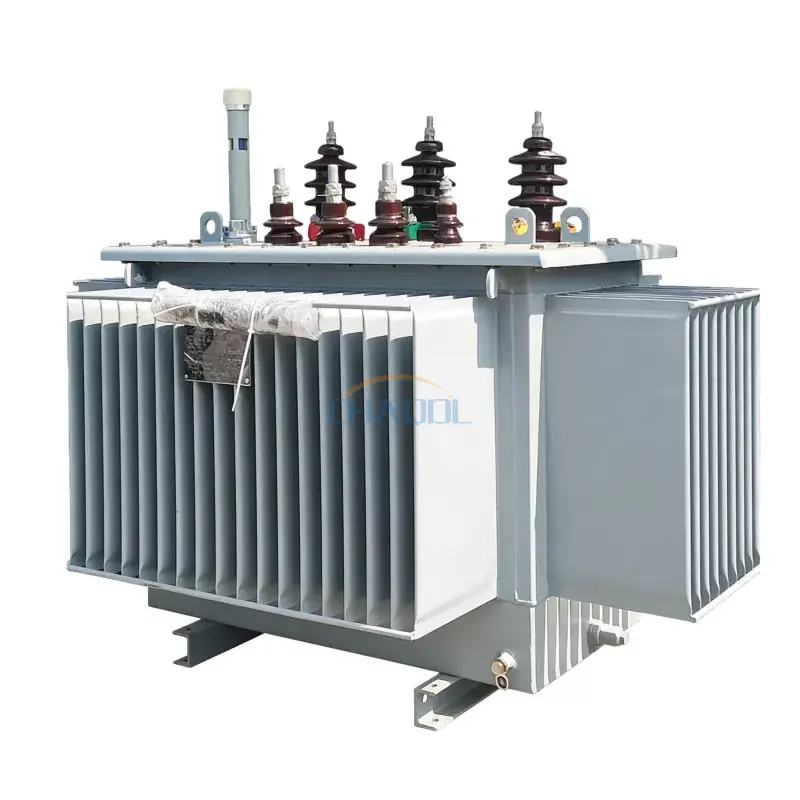
This article explains how a power transformer works, its main components, key technical parameters, and common applications. It also addresses the most common concerns buyers face when selecting a transformer, such as efficiency, safety, lifespan, and maintenance.
Table of Contents
- Introduction to Power Transformers
- Working Principle of a Power Transformer
- Main Components of a Power Transformer
- Technical Specifications and Parameters
- Industrial Applications
- Common Problems and Solutions
- How to Choose the Right Power Transformer
- FAQ
Introduction to Power Transformers
Electricity generated in power plants typically operates at relatively low voltage levels. However, transmitting electricity over long distances at low voltage leads to significant energy loss due to resistance in transmission lines. This is where power transformers become essential.
A power transformer increases voltage for long-distance transmission and decreases voltage for safe distribution. By doing so, it ensures energy efficiency and stable operation of electrical networks.
Power transformers are widely used in:
- Power generation plants
- Electrical substations
- Industrial manufacturing facilities
- Commercial infrastructure
- Renewable energy systems
Manufacturers such as Anqiang Power design transformers to meet the demanding requirements of modern electrical networks, focusing on durability, efficiency, and operational safety.
Working Principle of a Power Transformer
The operating principle of a power transformer is based on electromagnetic induction. When alternating current flows through the primary winding, it generates a changing magnetic field in the transformer core. This magnetic field induces a voltage in the secondary winding.
The relationship between voltage and winding turns follows a simple ratio:
- More turns in secondary winding → Voltage increases
- Fewer turns in secondary winding → Voltage decreases
This allows the transformer to function in two primary modes:
| Transformer Type | Function | Typical Application |
|---|---|---|
| Step-Up Transformer | Increases voltage | Power generation stations |
| Step-Down Transformer | Reduces voltage | Industrial and residential distribution |
Because transformers operate without moving mechanical parts, they are highly reliable and capable of operating continuously for decades with proper maintenance.
Main Components of a Power Transformer
A power transformer consists of several carefully engineered components that work together to ensure stable electrical performance and long-term reliability.
| Component | Function |
|---|---|
| Magnetic Core | Provides a path for magnetic flux and improves efficiency |
| Primary Winding | Receives input electrical energy |
| Secondary Winding | Delivers transformed voltage output |
| Insulation System | Protects windings and prevents electrical breakdown |
| Transformer Oil | Provides cooling and insulation |
| Cooling System | Dissipates heat generated during operation |
High-quality transformers from manufacturers like Anqiang Power incorporate advanced insulation materials and efficient cooling designs to improve operational stability and reduce maintenance requirements.
Technical Specifications and Parameters
Understanding transformer specifications helps buyers select the right equipment for their electrical system. The following parameters are commonly used when evaluating a power transformer.
| Parameter | Description |
|---|---|
| Rated Power | The maximum load capacity measured in kVA or MVA |
| Input Voltage | The voltage supplied to the primary winding |
| Output Voltage | The voltage delivered from the secondary winding |
| Frequency | Operating frequency, usually 50Hz or 60Hz |
| Cooling Method | Oil cooling or air cooling system |
| Efficiency | Ratio of output power to input power |
Carefully evaluating these parameters ensures compatibility with existing power infrastructure and prevents overload or energy loss.
Industrial Applications
Power transformers serve as the backbone of modern electrical systems. Their ability to regulate voltage makes them essential in multiple sectors.
- Electric power transmission networks
- Large manufacturing plants
- Mining operations
- Railway electrification systems
- Wind and solar power generation
- Urban power distribution systems
Reliable transformer performance is particularly important in industrial environments where equipment downtime can result in significant operational losses.
Common Problems and Solutions
Although power transformers are designed for long-term operation, certain issues may arise during service life.
| Problem | Cause | Solution |
|---|---|---|
| Overheating | Excess load or cooling failure | Improve cooling and reduce load |
| Oil Leakage | Seal aging or mechanical damage | Replace seals and inspect tank |
| Insulation Failure | Moisture contamination | Perform insulation testing and drying |
| Voltage Fluctuation | Load imbalance | Adjust system load distribution |
Regular inspection and preventive maintenance significantly extend transformer lifespan and ensure stable operation.
How to Choose the Right Power Transformer
Selecting the right transformer requires careful evaluation of several technical and operational factors.
- Determine the required voltage levels
- Calculate expected load capacity
- Evaluate installation environment
- Consider cooling and insulation design
- Check manufacturer reliability and engineering capability
Working with experienced manufacturers such as Anqiang Power ensures access to professional design support and customized transformer solutions tailored to specific power system requirements.
FAQ
What is the lifespan of a power transformer?
With proper maintenance and operation, most power transformers can function reliably for 25 to 40 years or longer.
Why is transformer oil important?
Transformer oil provides both insulation and cooling. It prevents electrical discharge between components and dissipates heat generated during operation.
How often should a transformer be inspected?
Routine inspections are typically recommended every 6 to 12 months, depending on operating conditions and load levels.
What factors affect transformer efficiency?
Efficiency depends on core material quality, winding design, load conditions, and cooling performance.
Conclusion
Power transformers play a critical role in ensuring safe and efficient electricity transmission across modern infrastructure. From voltage regulation to energy efficiency, their performance directly affects the reliability of power systems in industrial, commercial, and residential environments.
High-quality engineering, reliable materials, and professional manufacturing standards are essential when selecting a transformer supplier. Anqiang Power provides advanced power transformer solutions designed to meet the demanding requirements of modern electrical networks.
If you are planning a power distribution project or need technical guidance on selecting the right transformer, contact us today. Our engineering team is ready to provide professional support and customized solutions tailored to your power system needs.