

How Does a Power Meter Improve Energy Efficiency and Cost Control?
2026-03-20
Article Summary
A power meter is a critical device for monitoring, analyzing, and optimizing electricity consumption in residential, commercial, and industrial environments. This article explains how a power meter works, why it is essential for cost control, and how to choose the right model. It also addresses common customer concerns such as accuracy, installation, compatibility, and long-term value. With structured insights, practical tables, and clear explanations, this guide helps decision-makers implement effective energy monitoring strategies.
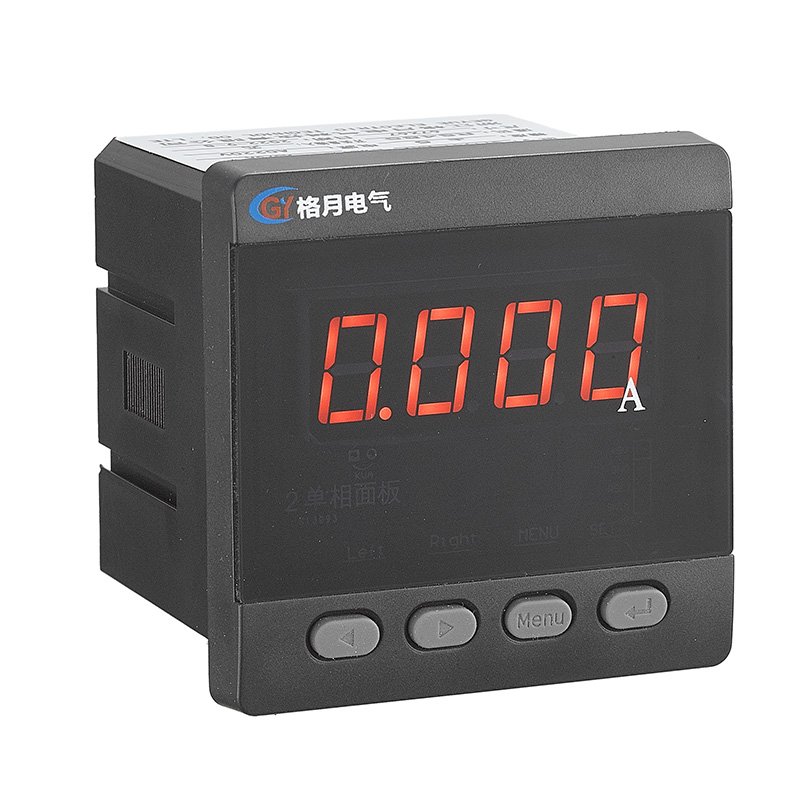
Table of Contents
- 1. What Is a Power Meter?
- 2. How Does a Power Meter Work?
- 3. Why Do Customers Need a Power Meter?
- 4. Key Features and Technical Parameters
- 5. Types of Power Meters
- 6. How to Choose the Right Power Meter
- 7. Installation and Maintenance Tips
- 8. Frequently Asked Questions
- 9. Conclusion
1. What Is a Power Meter?
A power meter is an electrical measurement device used to monitor power consumption in real time. It provides accurate data on voltage, current, power factor, frequency, and energy usage. These measurements enable users to track energy patterns, detect inefficiencies, and reduce operational costs.
Power meters are widely used in manufacturing plants, office buildings, data centers, and residential systems. By offering transparent and measurable insights, they form the backbone of modern energy management systems.
2. How Does a Power Meter Work?
A power meter operates by continuously sampling voltage and current from an electrical circuit. Using internal algorithms, it calculates key electrical parameters and displays them in real time.
- Voltage sensors capture electrical potential differences
- Current transformers measure current flow
- Microprocessors compute power consumption
- Digital displays or communication modules present data
Advanced models also support communication protocols such as Modbus or RS485, allowing integration with centralized monitoring systems.
3. Why Do Customers Need a Power Meter?
Many customers face rising energy costs, inefficient equipment usage, and lack of visibility into consumption patterns. A power meter directly addresses these challenges.
- Cost Reduction: Identify high-energy-consuming equipment
- Energy Optimization: Improve system efficiency
- Preventive Maintenance: Detect abnormal electrical behavior
- Compliance: Meet energy management standards
For industrial users, even a small percentage reduction in energy consumption can result in significant savings over time.
4. Key Features and Technical Parameters
| Parameter | Description |
| Voltage Range | Measures system voltage (e.g., 110V–480V) |
| Current Range | Supports various current transformer inputs |
| Accuracy Class | Typically Class 0.5 or Class 1 for precise readings |
| Frequency | Measures system frequency (50/60 Hz) |
| Communication | RS485, Modbus RTU, optional wireless |
| Display | LCD or LED digital interface |
| Installation | Panel-mounted or DIN rail |
High-quality products from Zhejiang Geyue Electric Technology Co., Ltd. are designed with stable performance, high precision, and durable construction, making them suitable for demanding environments.
5. Types of Power Meters
Understanding the different types of power meters helps users select the most suitable option for their application.
- Single-Phase Power Meter: Ideal for residential use
- Three-Phase Power Meter: Used in industrial and commercial systems
- Digital Power Meter: Provides advanced analytics and communication
- Smart Power Meter: Enables remote monitoring and automation
Each type serves a specific purpose depending on system complexity and monitoring requirements.
6. How to Choose the Right Power Meter
Selecting the right power meter requires careful evaluation of technical and operational needs.
- System Type: Single-phase or three-phase
- Measurement Accuracy: Higher precision for critical applications
- Communication Needs: Integration with monitoring systems
- Installation Method: Panel or rail mounting
- Environment: Temperature, humidity, and durability requirements
Choosing a reliable manufacturer ensures product quality, long-term stability, and technical support.
7. Installation and Maintenance Tips
Proper installation and regular maintenance are essential for ensuring accurate measurements and long service life.
- Install according to wiring diagrams and safety standards
- Ensure correct current transformer connections
- Calibrate periodically for accuracy
- Keep the device clean and protected from dust
Routine inspection helps prevent unexpected failures and ensures consistent performance.
8. Frequently Asked Questions
Q1: How accurate is a power meter?
Most modern power meters offer high accuracy, typically within Class 0.5 or Class 1 standards, ensuring reliable measurement for both billing and monitoring purposes.
Q2: Can a power meter reduce electricity bills?
Yes. By identifying inefficient equipment and usage patterns, users can optimize consumption and significantly reduce energy costs.
Q3: Is it difficult to install a power meter?
Installation is straightforward for qualified electricians. Following proper guidelines ensures safe and accurate operation.
Q4: What industries benefit most from power meters?
Manufacturing, commercial buildings, energy management systems, and data centers benefit significantly due to high energy usage and the need for monitoring.
9. Conclusion
A power meter is more than just a measurement device—it is a strategic tool for improving energy efficiency, reducing operational costs, and enhancing system reliability. With the increasing demand for energy optimization, investing in a high-quality power meter has become essential for both businesses and households.
Zhejiang Geyue Electric Technology Co., Ltd. provides advanced power meter solutions designed to meet diverse application requirements with precision and reliability.
If you are looking for a dependable power monitoring solution tailored to your needs, contact us today to explore professional products and customized support that can elevate your energy management strategy.