

How Does a Pipeline Liquid Level Sensor Improve Industrial Efficiency?
2026-03-27
Summary: Monitoring liquid levels in pipelines is crucial for operational safety, efficiency, and cost control. This article explores the technology behind pipeline liquid level sensors, their advantages, applications, and key considerations when choosing the right sensor for your industry.
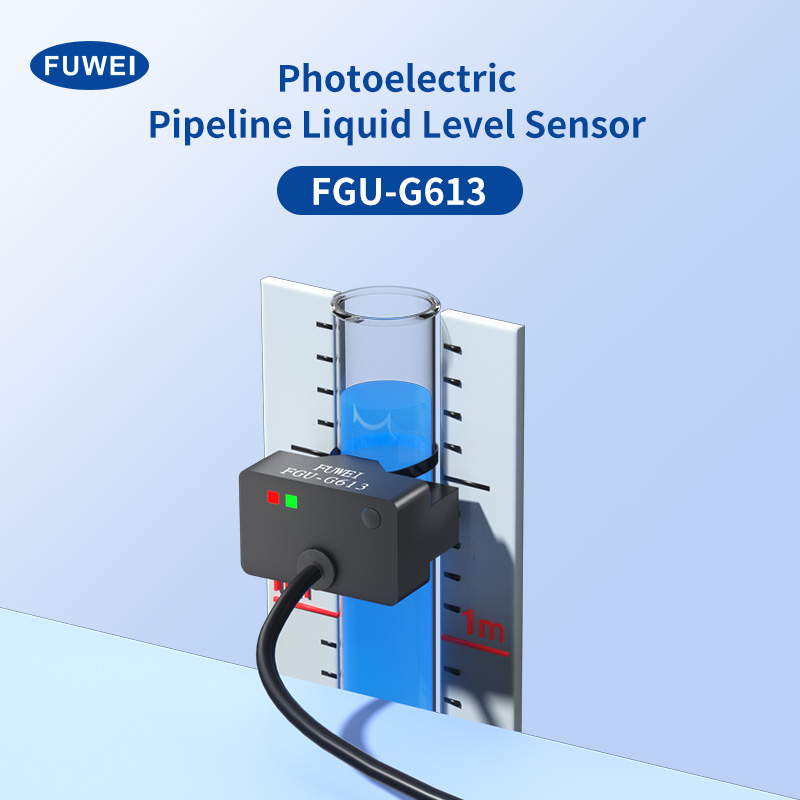
Table of Contents
- What is a Pipeline Liquid Level Sensor?
- How Does It Work?
- Benefits of Using a Pipeline Liquid Level Sensor
- Types of Pipeline Liquid Level Sensors
- Guide to Choosing the Right Sensor
- Industrial Applications
- FAQ
- Contact Fuwei
What is a Pipeline Liquid Level Sensor?
A pipeline liquid level sensor is a device designed to monitor and measure the quantity of liquid within pipelines. Accurate liquid level monitoring is essential for avoiding overflows, maintaining process stability, and ensuring equipment longevity. Companies like Fuwei specialize in advanced liquid level sensors that provide precise, real-time data for industrial pipelines.
How Does It Work?
Pipeline liquid level sensors operate using a variety of detection technologies. The choice depends on the type of liquid, pipeline material, and operating environment.
- Ultrasonic Sensors: Emit ultrasonic waves and measure the reflection to calculate liquid level.
- Capacitive Sensors: Detect changes in capacitance caused by liquid presence within a probe.
- Float-based Sensors: Use a floating component connected to a mechanical or magnetic indicator to monitor level.
- Radar Sensors: Send electromagnetic waves and measure return time for highly accurate measurements, even in harsh environments.
These sensors often include digital output, allowing integration with SCADA systems for automated monitoring and alerts.
Benefits of Using a Pipeline Liquid Level Sensor
Installing a pipeline liquid level sensor provides numerous operational advantages:
- Prevent Overflows: Real-time monitoring reduces the risk of spillage and costly downtime.
- Optimize Process Control: Ensures consistent flow rates and improves production efficiency.
- Enhance Safety: Early detection of leaks or abnormal liquid levels prevents accidents.
- Cost Savings: Reduces maintenance costs and avoids environmental penalties.
- Data-Driven Decisions: Enables accurate historical data analysis for process optimization.
Types of Pipeline Liquid Level Sensors
Choosing the right sensor type is critical. Here's a comparison table of common types:
| Sensor Type | Advantages | Limitations | Best Use Cases |
|---|---|---|---|
| Ultrasonic | Non-contact, accurate, versatile | Affected by foam or vapor | Water, chemicals, oil pipelines |
| Capacitive | Compact, low-cost, reliable | Requires calibration for different liquids | Food, beverages, light chemicals |
| Float-based | Simple, mechanical reliability | Prone to mechanical wear | Water treatment, storage tanks |
| Radar | Highly accurate, works in harsh conditions | Higher cost | Industrial oil, chemicals, high-temperature fluids |
Guide to Choosing the Right Sensor
Consider the following factors when selecting a pipeline liquid level sensor:
- Liquid Type: Corrosive, viscous, or foamy liquids require specialized sensors.
- Temperature and Pressure: Ensure the sensor can withstand the operational environment.
- Accuracy Requirements: High-precision processes may require radar or ultrasonic sensors.
- Maintenance Needs: Choose a sensor that balances reliability with maintenance ease.
- Integration: Verify compatibility with existing monitoring systems.
Industrial Applications
Pipeline liquid level sensors are used across multiple industries:
- Oil & Gas: Monitor crude oil, refined products, and chemical pipelines.
- Water Treatment: Ensure precise flow and storage management.
- Chemical Processing: Maintain exact levels to prevent reactions or spills.
- Food & Beverage: Control liquid ingredients and prevent contamination.
FAQ
Q1: Can these sensors be used for hazardous liquids?
A1: Yes, Fuwei provides explosion-proof and chemical-resistant models for hazardous environments.
Q2: How often do these sensors need calibration?
A2: Calibration frequency depends on the type of sensor and operational conditions; typically, annual checks are sufficient.
Q3: Can a single sensor monitor multiple pipeline sections?
A3: Generally, sensors monitor a single section. Multiple sensors can be networked for full-pipeline monitoring.
Q4: Are these sensors compatible with digital control systems?
A4: Yes, Fuwei’s sensors offer digital and analog outputs for seamless integration with SCADA or PLC systems.
Contact Fuwei
If you are ready to enhance your pipeline operations with advanced liquid level monitoring, Fuwei is here to help. Our dedicated team provides expert guidance on selecting, installing, and maintaining pipeline liquid level sensors. Contact us today to learn more and request a consultation tailored to your industry needs.