

How Does a Personal CD MP3 Player Improve Portable Music Listening?
2026-03-11
Article Summary
A Personal CD MP3 Player remains one of the most reliable solutions for enjoying music without relying on internet connectivity or streaming subscriptions. Many music lovers still prefer physical media because of its stable audio quality, personal music collections, and ease of use. This article explains how a Personal CD MP3 Player works, what features matter most, and how users can choose the right device for daily listening, travel, or home use. Readers will also learn about key specifications, practical usage tips, and common concerns when purchasing or using portable CD players.
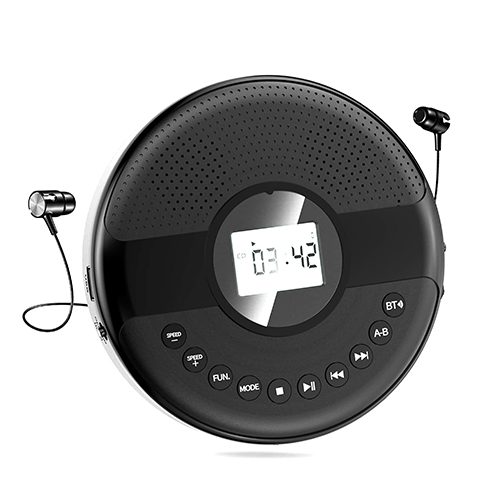
Table of Contents
- Introduction to Personal CD MP3 Players
- How a Personal CD MP3 Player Works
- Main Features That Improve Listening Experience
- Key Technical Specifications
- Benefits of Using a Portable CD MP3 Player
- How to Choose the Right Personal CD MP3 Player
- Common Usage Scenarios
- Maintenance and Care Tips
- Frequently Asked Questions
- Conclusion
Introduction to Personal CD MP3 Players
Despite the rapid growth of digital streaming platforms, many users still maintain extensive CD collections or prefer locally stored MP3 files. A Personal CD MP3 Player bridges the gap between traditional compact discs and digital audio formats, allowing users to enjoy both in a single portable device.
Unlike older CD players that only supported standard audio discs, modern devices are designed to read MP3 files burned onto CDs. This dramatically increases storage capacity. For example, a single disc can hold hundreds of MP3 songs compared to the 12–15 tracks on a traditional audio CD.
Manufacturers such as TOMPIRE continue to refine portable CD technology with improved anti-skip protection, rechargeable batteries, and versatile playback functions. These improvements make the Personal CD MP3 Player a practical choice for commuters, travelers, students, and anyone who values reliable offline music playback.
How a Personal CD MP3 Player Works
Understanding the working principle of a Personal CD MP3 Player helps users appreciate its reliability and performance. The system combines optical reading technology with digital audio decoding.
The main process typically includes the following steps:
- Laser Reading System – A small laser beam scans the surface of the CD and reads encoded data.
- Data Interpretation – The device converts the optical signals into digital information.
- MP3 Decoding – If the disc contains MP3 files, the built-in processor decompresses them into playable audio.
- Digital-to-Analog Conversion – The audio signal is converted into analog form.
- Sound Output – The signal is transmitted through headphones, speakers, or an auxiliary output.
Many modern Personal CD MP3 Players also include buffer memory to prevent playback interruptions. When a device experiences movement or vibration, stored data in memory continues playing smoothly while the laser repositions itself.
Main Features That Improve Listening Experience
Modern Personal CD MP3 Players incorporate several features that significantly enhance usability and sound performance.
- MP3 Disc Compatibility – Supports CDs containing hundreds of compressed audio files.
- Anti-Skip Protection – Prevents music interruptions during walking or commuting.
- Rechargeable Battery Support – Allows convenient charging without frequent battery replacement.
- Multiple Playback Modes – Includes repeat, shuffle, and programmed playlists.
- LCD Display – Displays track information and playback status.
- Lightweight Portable Design – Easy to carry during travel or outdoor activities.
These functions allow the Personal CD MP3 Player to compete with many modern audio devices while maintaining the advantage of physical media compatibility.
Key Technical Specifications
When evaluating different models, users should review several important technical parameters. The following table summarizes common specifications found in many high-quality players.
| Specification | Description |
|---|---|
| Supported Formats | CD, CD-R, CD-RW, MP3 CD |
| Audio Output | 3.5mm headphone jack / AUX output |
| Power Supply | Rechargeable battery or AA batteries |
| Anti-Skip Protection | Typically 60–120 seconds buffer |
| Display Type | LCD digital display |
| Weight | Approximately 200–350 grams |
| Connectivity | Headphones, speakers, car audio systems |
Benefits of Using a Portable CD MP3 Player
Choosing a Personal CD MP3 Player provides several practical advantages for music enthusiasts.
- No Internet Required – Playback works anywhere without Wi-Fi or mobile data.
- Stable Audio Quality – CDs deliver consistent sound without compression artifacts from streaming.
- Physical Music Ownership – Users maintain full control over their music library.
- Long Battery Life – Many models operate for hours on a single charge.
- Simple Operation – Ideal for users who prefer straightforward controls.
These advantages explain why portable CD players remain popular among collectors, students learning languages through audio CDs, and travelers who want dependable offline entertainment.
How to Choose the Right Personal CD MP3 Player
Selecting the right device depends on several factors related to performance, portability, and compatibility.
Important considerations include:
- Disc Format Support – Ensure the device supports MP3 CDs and recordable discs.
- Battery Type – Rechargeable batteries offer long-term convenience.
- Anti-Shock Technology – Essential for outdoor or mobile listening.
- Connectivity Options – AUX output allows connection to external speakers or car audio systems.
- Build Quality – Durable materials improve long-term reliability.
Brands such as TOMPIRE design portable CD players that combine compact design with reliable performance, making them suitable for both casual listeners and dedicated collectors.
Common Usage Scenarios
A Personal CD MP3 Player can be used in many everyday situations.
- Daily commuting and public transportation
- Road trips with AUX connection to car speakers
- Language learning using educational CDs
- Home listening with wired headphones
- Outdoor relaxation or camping trips
Because the device operates independently from internet connectivity, it offers dependable playback in locations where streaming services may not be accessible.
Maintenance and Care Tips
Proper care ensures that a Personal CD MP3 Player continues working efficiently for many years.
- Keep discs clean and free from scratches
- Avoid exposing the player to extreme temperatures
- Store the device in a protective case during travel
- Clean the disc compartment periodically
- Use recommended batteries or charging accessories
Regular maintenance prevents reading errors and preserves optimal audio performance.
Frequently Asked Questions
1. Can a Personal CD MP3 Player play regular CDs?
Yes. Most models support standard audio CDs as well as discs containing MP3 files, providing flexible playback options.
2. How many songs can an MP3 CD store?
A typical CD can store approximately 700MB of data, which may contain 150–200 MP3 songs depending on file compression settings.
3. Do portable CD players skip while walking?
Modern players include anti-skip buffering technology that stores several seconds of music data in memory, reducing interruptions caused by movement.
4. Can the player connect to external speakers?
Most devices include a 3.5mm AUX output, allowing connection to speakers, car audio systems, or home stereo equipment.
Conclusion
A Personal CD MP3 Player continues to provide a dependable and convenient way to enjoy music collections without relying on streaming services. With improved anti-skip protection, versatile format compatibility, and portable design, these devices remain practical for both modern listeners and long-time CD enthusiasts.
Companies such as TOMPIRE continue to refine portable CD technology, offering reliable solutions for users who value high-quality audio playback and offline convenience. Whether used for travel, daily commuting, or relaxing at home, a Personal CD MP3 Player delivers stable performance and flexible listening options.
If you are looking for a reliable portable audio solution or want to explore advanced Personal CD MP3 Player models, contact us today to learn more about available products and professional support.