

How Does a Patio Heater Support Year-Round Outdoor Living?
2025-12-17
Outdoor living has become an integral part of residential, hospitality, and commercial environments, particularly in regions where open-air dining, backyard gatherings, and terrace-based leisure are part of everyday life. A patio heater is a purpose-built outdoor heating appliance designed to provide localized warmth in open or semi-open spaces such as patios, decks, balconies, gardens, cafés, and rooftop areas. By delivering controlled radiant or convection heat, a patio heater extends the usability of outdoor areas beyond seasonal limitations while maintaining comfort and safety.
How Is a Patio Heater Engineered for Outdoor Environments?
A patio heater is engineered specifically to operate in open-air or partially enclosed spaces where conventional indoor heating solutions are ineffective or unsafe. Its design reflects a balance between thermal output, structural stability, weather resistance, and operational safety.
Structural Design and Materials
Most patio heaters feature a vertical or horizontal structural configuration that ensures even heat dispersion and physical stability. Common housing materials include powder-coated steel, stainless steel, and aluminum alloys, selected for their corrosion resistance and durability under outdoor exposure. Protective finishes are applied to withstand humidity, UV radiation, light rain, and temperature fluctuations.
The base or mounting system plays a critical role in outdoor engineering. Freestanding units rely on weighted bases or anchoring systems to maintain balance in windy conditions, while wall-mounted and ceiling-mounted heaters incorporate reinforced brackets and heat shields to protect adjacent surfaces.
Heating Mechanisms
Patio heaters typically operate using one of three heating mechanisms:
-
Gas-fired radiant heating, using propane or natural gas
-
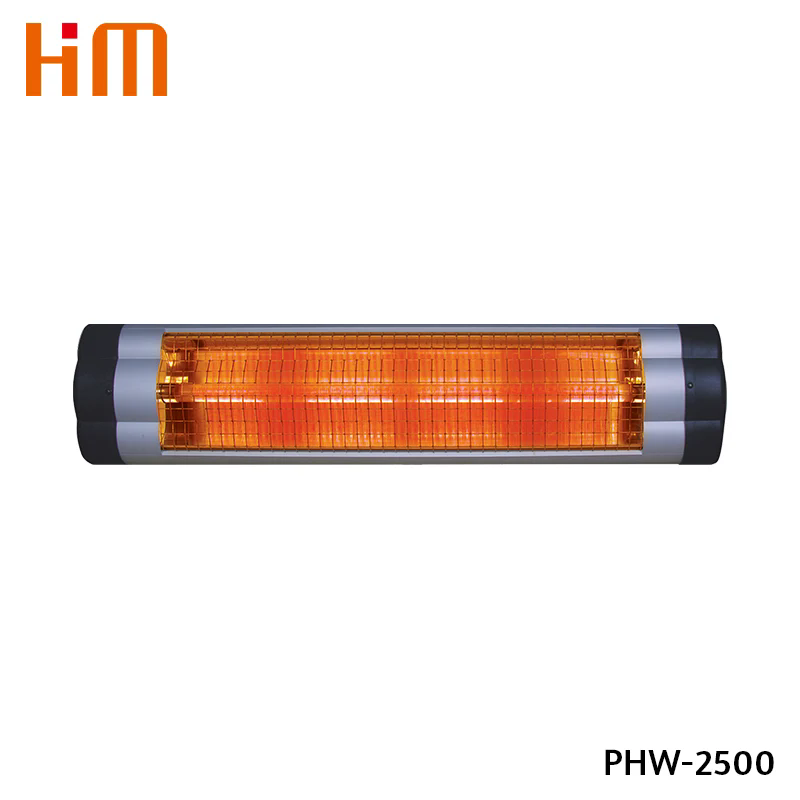
Electric infrared heating, converting electrical energy into radiant heat
-
Hybrid or modular systems, designed for specific commercial applications
Radiant heat is favored for outdoor use because it warms objects and people directly rather than attempting to heat surrounding air, which disperses quickly in open spaces.
Environmental Adaptation
Outdoor engineering also considers airflow, clearance zones, and weather exposure. Ventilation requirements, tilt sensors, flame failure devices, and overheat protection are integrated to ensure reliable operation under varying environmental conditions. These features are essential for compliance with safety standards and for maintaining consistent performance in real outdoor settings.
How Should Patio Heater Specifications Be Evaluated Before Selection?
Evaluating a patio heater requires a detailed understanding of technical specifications and how they correspond to the intended application. The following parameters are commonly assessed during professional procurement and installation planning.
Key Technical Parameters
| Parameter | Typical Range | Evaluation Considerations |
|---|---|---|
| Heat Output | 5,000–50,000 BTU (gas) / 1.5–4 kW (electric) | Determines coverage area and heat intensity |
| Power Source | Propane, Natural Gas, Electric | Influences installation complexity and operating environment |
| Coverage Area | 10–30 m² per unit | Depends on heater height and reflector design |
| Ignition System | Manual, Piezo, Electronic | Affects ease of operation and maintenance |
| Safety Devices | Tip-over switch, flame failure, overheat protection | Required for compliance and user safety |
| Mounting Type | Freestanding, Wall-mounted, Ceiling-mounted | Dictates spatial layout and clearance |
| Protection Rating | Outdoor-rated (e.g., IP ratings for electric models) | Indicates resistance to moisture and dust |
Matching Specifications to Use Scenarios
Residential patios often prioritize compact size, ease of operation, and compatibility with existing power sources. In contrast, commercial venues such as restaurants and hotels may require higher output units with fixed installations and centralized fuel supply.
Specification evaluation also includes fuel availability, local code compliance, and anticipated usage frequency. Selecting a heater with appropriate output prevents underperformance while avoiding unnecessary energy consumption.
How Can Patio Heaters Be Integrated into Different Outdoor Spaces?
Successful integration of a patio heater depends on spatial planning, installation method, and user behavior. Each environment presents unique considerations that influence heater placement and configuration.
Residential Applications
In residential settings, patio heaters are commonly used in backyards, terraces, and poolside areas. Freestanding units offer flexibility and mobility, allowing repositioning as furniture layouts change. Wall-mounted heaters are often selected for smaller patios where floor space is limited.
Clearance from combustible materials, overhead structures, and furniture is essential. Proper integration ensures even heat distribution without obstructing movement or sightlines.
Hospitality and Commercial Use
Restaurants, cafés, and event venues rely on patio heaters to support consistent outdoor seating capacity. In these environments, ceiling-mounted or fixed gas heaters are frequently used to maintain uniform coverage across multiple tables.
Integration planning includes coordination with architectural elements, lighting systems, and customer flow. Noise level, visual impact, and maintenance accessibility are also considered to preserve the overall guest experience.
Seasonal and Event-Based Layouts
Temporary installations for events, pop-up venues, or seasonal markets require portable heaters with quick setup and removal. In these cases, transportability, ignition reliability, and fuel management become key integration factors.
How Do Regulations, Safety Standards, and Market Trends Shape Patio Heater Adoption?
Patio heater adoption is influenced not only by design and performance but also by regulatory frameworks and evolving market expectations.
Safety and Compliance Considerations
Local and national regulations govern fuel usage, ventilation requirements, and minimum clearance distances. Certified patio heaters are tested for stability, ignition reliability, and emission control. Compliance ensures lawful operation and reduces liability in both residential and commercial settings.
Electric models must meet electrical safety standards, while gas models are subject to fuel system inspections and leak prevention requirements.
Environmental and Energy Considerations
Energy efficiency and emission awareness increasingly affect purchasing decisions. Electric infrared heaters are often selected in regions with strict emission controls, while high-efficiency gas models remain common where fuel infrastructure is established.
Manufacturers continue to refine burner efficiency, reflector geometry, and control systems to align with energy-conscious usage patterns.
Market Direction
The patio heater market reflects broader outdoor living trends, including the growth of mixed-use outdoor spaces and extended seasonal use. Demand is influenced by urbanization, hospitality expansion, and consumer interest in adaptable outdoor environments.
Common Patio Heater Questions
Q: How should a patio heater be positioned to achieve consistent warmth in an open area?
A: Positioning depends on heater type and coverage design. Radiant heaters should be oriented toward seating zones with unobstructed paths between the heater and occupants. Mounting height and angle are adjusted to maximize surface exposure while maintaining required safety clearances.
Q: What maintenance practices are recommended to support long-term patio heater operation?
A: Regular inspection of ignition systems, fuel connections, and safety devices is essential. Cleaning reflectors and burner areas ensures consistent heat output, while seasonal checks before peak usage help identify wear caused by outdoor exposure.
Brand Support and Professional Consultation
As outdoor living continues to evolve, selecting and configuring a patio heater requires both technical understanding and reliable product support. Cimao provides patio heating solutions developed to align with diverse outdoor applications, regulatory environments, and installation requirements.
For project consultation, technical specifications, or tailored recommendations, contact us to discuss how patio heating systems can be aligned with specific spatial and operational needs.