

How Does a Glass Chimney Kerosene Stove Improve Energy Efficiency?
2025-12-09
A Glass Chimney Kerosene Stove plays an essential role in regions where stable electricity is not guaranteed, outdoor activities are frequent, or households prefer cost-efficient heating and cooking solutions. Defined by its transparent glass chimney, controlled kerosene combustion, and compact body frame, this type of stove offers a reliable alternative to electric and gas appliances. The transparent chimney not only enhances visibility of the flame but also helps stabilize air circulation, enabling a cleaner burn and more efficient heat output.
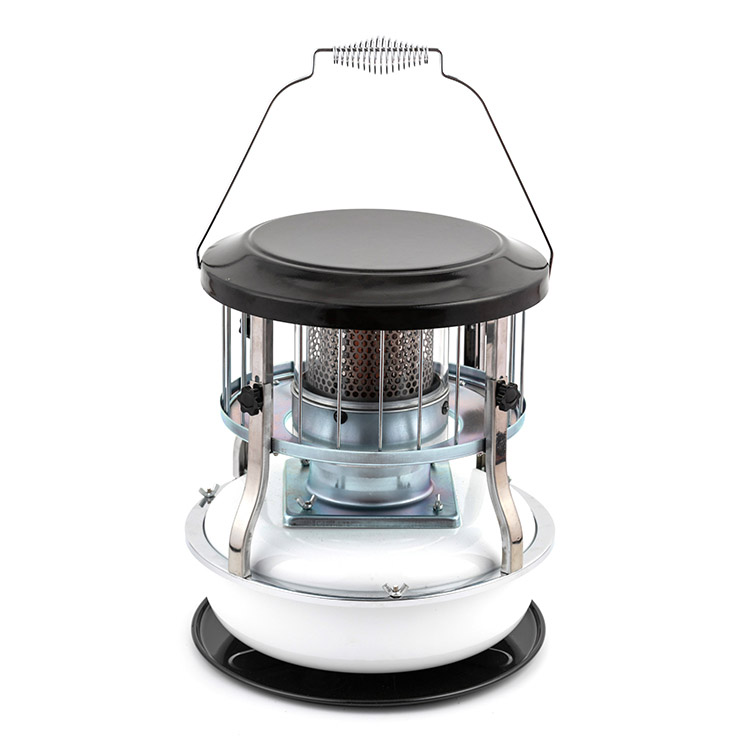
To help buyers, distributors, and sourcing specialists make informed decisions, the following table summarizes common specifications of a high-quality Glass Chimney Kerosene Stove. These values represent typical parameters across advanced models within the industry.
Product Parameters Overview
| Specification | Description |
|---|---|
| Product Name | Glass Chimney Kerosene Stove |
| Fuel Type | Refined kerosene |
| Material Composition | Heat-resistant glass chimney, coated steel body, brass or stainless-steel burner |
| Ignition Method | Manual wick ignition |
| Burner Structure | High-efficiency wick-based combustion |
| Wick Type | Thick cotton wick / fiber composite wick |
| Fuel Tank Capacity | 1.2 – 2.0 liters depending on model |
| Average Burn Time | 6 – 10 hours (per full tank) |
| Heat Output | 1.8 – 3.2 kW depending on flame adjustment |
| Cooking Power Range | Low simmer to rapid boil |
| Glass Chimney Height | 18 – 25 cm (heat-resistant borosilicate) |
| Safety Features | Anti-tilt base, controlled flame dial, chimney heat dissipation structure |
| Use Scenarios | Home cooking, outdoor camping, emergency heating, rural household use |
| Maintenance Requirements | Regular wick trimming, fuel tank cleaning, chimney wiping |
| Lifespan | 3–5 years with proper maintenance |
How Glass Chimney Kerosene Stoves Deliver Stable Heat, Long Burn Time, and High Cooking Efficiency
1. How Does the Glass Chimney Structure Optimize Combustion?
The glass chimney is a defining element that dramatically influences the stove’s performance. Its cylindrical shape facilitates vertical airflow, guiding oxygen evenly into the burner zone. When oxygen distribution becomes stable, the flame burns cleaner, brighter, and more consistent. This results in several operational improvements:
-
More complete combustion reduces soot formation.
-
Controlled flame shape enhances heat concentration directly beneath cookware.
-
Improved fuel economy helps households reduce kerosene consumption.
-
Better visibility allows users to monitor flame height and safety.
Heat-resistant borosilicate glass also withstands thermal shock, preventing cracking even during prolonged high-temperature use.
2. How Does Wick Technology Support Steady Cooking Performance?
The wick is responsible for transporting fuel from the tank to the burner through capillary action. Modern composite cotton wicks allow a stable fuel-air mixture, minimizing irregular flames or abrupt extinguishing. A thicker wick also ensures extended lifespan before replacement becomes necessary. When paired with a glass chimney, the wick system forms a balanced environment for precise flame control.
3. How Does a Kerosene Stove Reduce Household Energy Costs?
Households facing fluctuating electricity prices or limited access to national power grids often depend on kerosene stoves to manage daily heating and cooking tasks. The economic advantages include:
-
Low kerosene cost compared to LPG or electricity in many regions
-
Long burn time per tank helps reduce constant refilling
-
Low maintenance expense due to simple mechanical structure
-
Durable materials prolong the stove’s service life
For families in rural regions, the combined benefit translates into dependable heating and cooking without high monthly utility bills.
4. How Does the Stove Support Diverse Cooking Methods?
The adjustable flame enables users to tailor heat based on cooking needs:
-
Low flame for simmering soups or stews
-
Medium flame for stir-frying and everyday meals
-
High flame for boiling water or quick heating tasks
This versatility makes the stove suitable not only for household kitchens but also for camping, market vending, and emergency preparedness kits.
How Do Safety, Durability, and Functionality Position the Stove as a Long-Term Household Solution?
1. How Does the Safety Structure Minimize Operational Risks?
The stove’s anti-tilt steel base prevents accidental tipping, making it safer for use in compact or uneven environments. Additionally, the controlled flame dial allows precise adjustment, reducing chances of flare-ups. The chimney’s heat dissipation mechanism ensures the outer surface stays within safe handling temperatures during operation.
Other safety-oriented characteristics include:
-
Fuel tank sealing prevents leakage
-
Stable burner frame avoids structural deformation
-
Clear flame visibility helps users avoid over-adjustment
Together, these features form a multi-layer protection system that enables safe, extended use.
2. How Does the Design Improve Durability in Harsh Environments?
The combination of coated steel, heat-resistant glass, and corrosion-resistant burner components allows the stove to withstand high temperatures, moisture, and repeated daily use. These materials ensure:
-
Resistance to rust and environmental wear
-
Stability under long heat exposure
-
Lower likelihood of part deformation
-
Ability to function in rural or outdoor conditions
Users in farming, fishing, and construction settings often prefer kerosene stoves because they maintain performance even under dust, humidity, or transportation stress.
3. How Do Maintenance Practices Extend the Stove’s Service Life?
Proper maintenance not only prevents malfunction but also ensures high fuel efficiency. Essential care tasks include:
-
Trimming the wick regularly to maintain a consistent flame
-
Cleaning the glass chimney to avoid soot buildup
-
Removing old kerosene deposits from the tank
-
Checking the burner for carbon accumulation
These steps strengthen the stove’s reliability and reinforce its long-term value for households and field users.
How Will the Future of Glass Chimney Kerosene Stoves Evolve Toward Higher Efficiency, Cleaner Combustion, and Smarter Design?
1. How Will Energy Trends Influence Stove Innovation?
Growing global focus on energy independence has inspired interest in alternative cooking and heating systems. Kerosene stoves remain valuable where renewable sources are still developing or electricity is unstable. Future developments are expected to emphasize:
-
Cleaner combustion systems to reduce emissions
-
Improved wick materials for extended lifespan
-
Optimized chimney airflow for higher thermal efficiency
-
Lightweight yet more heat-resistant materials
These improvements aim to meet evolving environmental standards while ensuring users maintain access to dependable fuel-based appliances.
2. How Will Fuel Efficiency Improvements Benefit Users?
Manufacturers are adopting enhanced burner geometry to increase oxygen mixing efficiency. More efficient burners will:
-
Reduce kerosene consumption
-
Lower household energy costs
-
Provide stronger heating output
-
Decrease soot production
This trend aligns with global demand for sustainable and economical household technologies.
3. How Will User-Centric Designs Reshape the Future of the Stove?
User expectations are shifting toward convenience, simplicity, and safety. The next generation of Glass Chimney Kerosene Stoves may incorporate:
-
Child-safe lock mechanisms
-
Smoked-glass options to reduce glare
-
Faster ignition systems that require less manual adjustment
-
Compact foldable structures for outdoor activities
These innovations ensure the stove remains relevant across diverse markets, including homes, campsites, and emergency settings.
4. How Will Global Market Demand Grow?
Many developing regions prefer kerosene as an accessible and inexpensive energy source. As global energy prices fluctuate, kerosene stoves will continue playing a valuable role in:
-
Rural domestic kitchens
-
Disaster-preparedness kits
-
Outdoor recreation
-
Temporary housing
-
Remote-area construction camps
Their reliability and low operational cost ensure long-term demand.
Frequently Asked Questions
Q: How long can a Glass Chimney Kerosene Stove run on a full tank?
A: A typical stove operates between 6 and 10 hours per full tank, depending on flame height, wick condition, and cooking load, offering extended usage without constant refueling.
Q: How can soot buildup be minimized during long-term use?
A: Soot accumulation is reduced by trimming the wick regularly, using high-quality kerosene, maintaining proper flame height, and cleaning the glass chimney to ensure consistent airflow.
A Trusted Heating and Cooking Solution With Long-Term Value
A Glass Chimney Kerosene Stove delivers dependable heating, strong cooking performance, long burn time, and cost-efficient operation. Its simple mechanical structure, transparent chimney, and stable wick system make it suitable for everyday household tasks, rural energy needs, and outdoor activities. With growing global focus on durable and reliable heating appliances, this stove remains an essential tool for users seeking independence from unstable power grids. Manufacturers continue refining efficiency, safety design, and material quality, ensuring the product evolves with modern expectations.
For users searching for high-quality stoves with dependable performance, ZOOZAA offers professional-grade Glass Chimney Kerosene Stoves known for durability, efficiency, and user-oriented engineering. To learn more about product specifications, wholesale availability, or custom sourcing options, contact us for detailed consultation and support.