

How Does a Fiber Optic Gyroscope Improve Navigation Accuracy?
2026-01-15
Abstract: Fiber optic gyroscopes (FOGs) have revolutionized modern navigation systems by offering high-precision measurements without the limitations of traditional mechanical gyroscopes. This article explores how FOGs function, their advantages, applications, technical specifications, and answers common questions for industries seeking reliable orientation solutions.
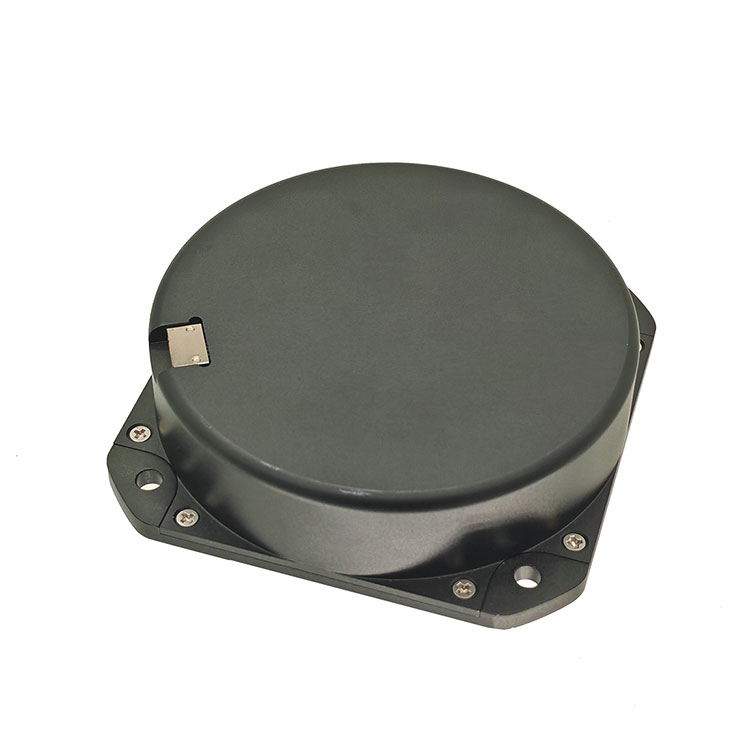
Table of Contents
- Introduction to Fiber Optic Gyroscopes
- Working Principle of Fiber Optic Gyroscopes
- Key Advantages of Fiber Optic Gyroscopes
- Applications in Modern Industries
- Technical Specifications
- Frequently Asked Questions
- Conclusion & Contact Information
Introduction to Fiber Optic Gyroscopes
A fiber optic gyroscope (FOG) is an advanced angular velocity sensor that measures rotation using light interference in a coiled optical fiber. Unlike traditional mechanical gyroscopes, FOGs contain no moving parts, making them highly reliable and resistant to wear. They are widely used in aerospace, marine, autonomous vehicles, and industrial navigation systems.
Jioptik, a leading manufacturer in this field, provides high-quality FOG solutions for precision navigation needs, ensuring both stability and accuracy for complex environments.
Working Principle of Fiber Optic Gyroscopes
The core technology behind a FOG is based on the Sagnac effect. Light from a laser source is split into two beams traveling in opposite directions through a coiled optical fiber. When the gyroscope rotates, a phase shift occurs between the two beams. This shift is detected and converted into a voltage signal, which is proportional to the angular velocity.
- No moving parts: Reduces mechanical wear and maintenance needs.
- High precision: Capable of detecting minute angular changes.
- Rapid response: Provides real-time rotational measurements.
Key Advantages of Fiber Optic Gyroscopes
Fiber optic gyroscopes have several notable advantages over traditional gyroscopes, which include:
| Feature | Benefit |
|---|---|
| No mechanical moving parts | Longer lifespan, minimal maintenance |
| Wide dynamic range | Accurate measurements under high-speed rotations |
| Insensitive to acceleration | Stable readings in unstable environments |
| Compact size | Easy integration into vehicles, drones, and ships |
| Digital output | Seamless integration with modern control systems |
Applications in Modern Industries
FOGs are versatile and have been adopted in multiple industries where precise orientation and stability are critical:
- Aerospace: For satellite attitude control, aircraft navigation, and missile guidance systems.
- Maritime: On ships and submarines for navigation without GPS reliance.
- Autonomous Vehicles: Providing reliable inertial navigation in GPS-denied environments.
- Industrial Robotics: Enhancing precision motion control in robotic arms and automated systems.
Technical Specifications of Popular FOG Models
Jioptik offers a range of fiber optic gyroscopes with specifications suitable for various applications:
| Model | Zero-bias stability | Measurement range | Random walk coefficient | Bandwidth |
|---|---|---|---|---|
| STA-F98 | <0.02°/h | ±300°/s | <0.002°/√h | >200Hz |
| STA-F70 | <0.05°/h | ±500°/s | <0.005°/√h | >200Hz |
| STA-F50B | <0.2°/h | ±600°/s | <0.02°/√h | >200Hz |
Frequently Asked Questions
Q1: How does a fiber optic gyroscope differ from a ring laser gyroscope?
A: Unlike ring laser gyroscopes, FOGs use fiber optic coils instead of laser cavities. This eliminates locking effects and reduces overall cost while maintaining high precision.
Q2: Can FOGs operate in harsh environments?
A: Yes, FOGs are resistant to temperature variations, vibrations, and shock due to their solid-state design.
Q3: What industries benefit the most from FOG technology?
A: Aerospace, defense, maritime, autonomous vehicles, and robotics industries benefit significantly from FOGs due to their accuracy and reliability in navigation systems.
Conclusion & Contact Information
Fiber optic gyroscopes represent a significant advancement in navigation technology. Their high precision, compact design, and reliability make them ideal for applications requiring accurate orientation under dynamic conditions. Jioptik provides a comprehensive range of FOGs suitable for aerospace, marine, and industrial navigation.
For inquiries or to explore Jioptik's fiber optic gyroscope solutions, contact us today and discuss the best options for your navigation and sensing needs.