

How Does a DMR Radio Improve Communication Efficiency and Reliability?
2026-06-12
In industries where communication is mission-critical, traditional analog radios often struggle with limited audio quality, channel congestion, and inefficient spectrum utilization. As organizations continue to demand clearer communication, enhanced security, and greater operational efficiency, Digital Mobile Radio (DMR) technology has become a preferred solution across commercial, industrial, public safety, and transportation sectors.
DMR radios combine advanced digital technology with reliable two-way communication capabilities, delivering clearer voice transmission, extended coverage, better battery performance, and versatile data functions. Whether managing a construction site, coordinating logistics operations, or ensuring workplace safety, DMR radio systems provide a dependable communication platform designed for modern business needs.
Article Summary
This article explains how DMR radios work, their key advantages over analog systems, common applications, essential features, and factors to consider when selecting the right device. You'll also learn why many organizations are transitioning to digital radio technology to improve communication reliability and operational productivity.
Table of Contents
- What Is a DMR Radio?
- How Does a DMR Radio Work?
- Key Benefits of DMR Radios
- DMR Radio vs Analog Radio
- Common Applications of DMR Radios
- Important Features to Consider
- How to Choose the Right DMR Radio
- Future Trends in DMR Communication
- Frequently Asked Questions
- Contact Us
What Is a DMR Radio?
DMR stands for Digital Mobile Radio, an internationally recognized digital radio standard developed to provide efficient, high-quality voice and data communication. Unlike traditional analog radios, DMR radios convert voice signals into digital data before transmission, allowing for improved clarity, reduced interference, and additional communication features.
DMR technology was designed to maximize spectrum efficiency while supporting a broad range of professional communication requirements. Today, it is widely used in industries such as security, manufacturing, transportation, utilities, hospitality, emergency response, and event management.
Modern DMR radios can support:
- Digital voice communication
- Private and group calling
- Text messaging
- GPS positioning
- Emergency alerts
- Remote monitoring
- Data transmission applications
As digital communication continues to evolve, DMR systems have become a practical upgrade path for organizations seeking greater reliability and operational efficiency.
How Does a DMR Radio Work?
A DMR radio converts analog voice into digital signals using advanced encoding techniques. The digital information is then transmitted through radio frequencies and decoded by the receiving device back into clear audio.
One of the most significant technological advantages of DMR is its Time Division Multiple Access (TDMA) architecture. This technology divides a single radio channel into two independent time slots, allowing two simultaneous conversations on the same frequency.
This approach effectively doubles channel capacity without requiring additional spectrum resources, making communication systems more efficient and cost-effective.
| Communication Aspect | Analog Radio | DMR Radio |
|---|---|---|
| Voice Transmission | Analog Signal | Digital Signal |
| Channel Capacity | One Call per Channel | Two Calls per Channel |
| Audio Clarity | Degrades with Distance | Consistently Clear |
| Data Services | Limited | Advanced Support |
| Spectrum Efficiency | Lower | Higher |
The result is more reliable communication, especially in environments where radio traffic is heavy or operational coordination is critical.
Key Benefits of DMR Radios
Organizations invest in DMR technology because it offers substantial advantages over conventional communication systems.
-
Superior Audio Quality
Digital signal processing reduces background noise and delivers clearer voice communication. -
Extended Battery Life
TDMA technology reduces power consumption, allowing radios to operate longer between charges. -
Improved Spectrum Utilization
Two communication paths can operate simultaneously on a single channel. -
Enhanced Coverage
Users experience more reliable communication throughout operational areas. -
Increased Security
Digital encryption options help protect sensitive communications. -
Advanced Functionality
Features such as GPS tracking, messaging, and emergency alerts improve workforce management. -
Scalability
DMR systems can easily expand as organizational requirements grow.
These benefits contribute directly to improved productivity, faster response times, and safer working environments.
DMR Radio vs Analog Radio
Many businesses considering a communication system upgrade often compare DMR and analog technologies. While analog radios remain useful in certain applications, digital systems provide measurable operational advantages.
| Feature | Analog Radio | DMR Radio |
|---|---|---|
| Voice Clarity | Variable | Excellent |
| Battery Efficiency | Standard | Improved |
| Data Capability | Minimal | Extensive |
| Security | Basic | Enhanced Encryption |
| Channel Efficiency | Single Slot | Dual Slot TDMA |
| Fleet Management | Limited | Advanced |
For organizations seeking long-term communication reliability and operational flexibility, DMR often provides a stronger return on investment.
Common Applications of DMR Radios
DMR radios are used across numerous industries where dependable communication is essential.
- Construction Sites – Coordinate workers, equipment operators, and project supervisors.
- Manufacturing Facilities – Improve production efficiency and workplace safety.
- Security Operations – Enable rapid incident response and team coordination.
- Transportation and Logistics – Maintain communication between drivers and dispatch centers.
- Hospitality Industry – Support seamless coordination among staff members.
- Utilities and Energy Companies – Ensure reliable communication in remote locations.
- Event Management – Coordinate large teams across expansive venues.
- Emergency Services – Facilitate critical communication during urgent situations.
As workplace communication demands continue to increase, DMR systems provide the flexibility needed across both indoor and outdoor environments.
Important Features to Consider
When evaluating a DMR radio solution, organizations should focus on features that align with operational requirements.
- Digital and analog dual-mode operation
- GPS positioning capabilities
- Emergency alarm functionality
- Text messaging support
- Voice encryption options
- Bluetooth connectivity
- Noise cancellation technology
- IP-rated waterproof and dustproof protection
- Long battery endurance
- Remote monitoring and management functions
Selecting the right combination of features can significantly improve communication effectiveness and workforce productivity.
How to Choose the Right DMR Radio
Choosing a suitable DMR radio requires careful evaluation of operational environments and communication objectives.
Consider the following factors:
- Determine the required communication range.
- Evaluate indoor and outdoor coverage needs.
- Identify necessary safety features.
- Assess durability requirements.
- Consider future system expansion plans.
- Review battery life expectations.
- Verify compatibility with existing infrastructure.
- Examine available support and service resources.
Working with an experienced radio communication provider can simplify deployment and ensure the chosen solution meets long-term operational demands.
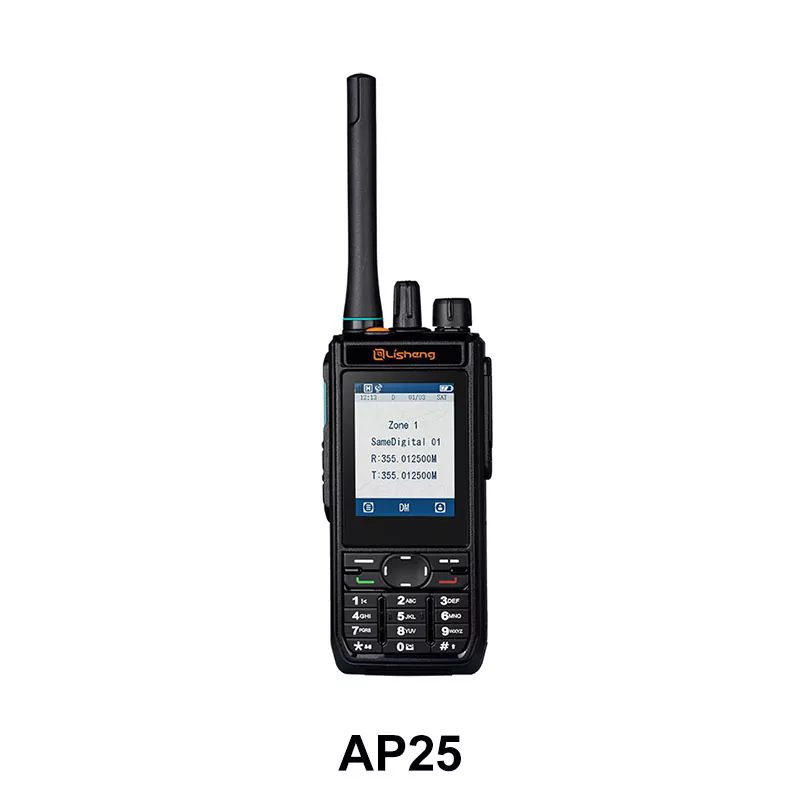
Companies such as Lisheng offer professional DMR radio solutions designed to support diverse industry requirements, providing dependable communication equipment engineered for demanding environments.
Future Trends in DMR Communication
The future of DMR technology is increasingly connected with broader digital transformation initiatives. Emerging developments include:
- Integration with LTE and broadband networks
- Cloud-based dispatch platforms
- Enhanced GPS tracking systems
- IoT device connectivity
- AI-assisted operational monitoring
- Advanced workforce management solutions
These innovations will continue to improve communication efficiency while supporting smarter operational decision-making across industries.
Frequently Asked Questions
Q1: What does DMR stand for?
DMR stands for Digital Mobile Radio, a globally recognized digital radio communication standard.
Q2: Are DMR radios better than analog radios?
For many professional applications, DMR radios provide clearer audio, greater spectrum efficiency, longer battery life, and more advanced communication features.
Q3: Can DMR radios communicate with analog radios?
Many modern DMR devices support dual-mode operation, allowing communication with both digital and analog systems.
Q4: Are DMR radios secure?
Yes. Many DMR radios support encryption technologies that help protect sensitive communications.
Q5: Which industries benefit most from DMR radios?
Construction, manufacturing, security, transportation, utilities, hospitality, logistics, and emergency response organizations all benefit from DMR technology.
Q6: How long do DMR radio batteries typically last?
Battery life varies by model and usage, but DMR radios generally offer longer operating times than comparable analog devices.
Conclusion
DMR radios have transformed professional communication by delivering superior audio quality, greater channel efficiency, enhanced security, and powerful digital capabilities. As organizations face increasing demands for reliable and efficient communication, DMR technology offers a future-ready solution that improves productivity, safety, and operational coordination.
Whether you are upgrading an existing radio network or deploying a new communication system, choosing the right DMR solution can make a significant difference in daily operations. Lisheng provides a comprehensive range of professional DMR radio products designed to meet the needs of modern industries, helping businesses achieve dependable communication in even the most challenging environments.
Looking for a reliable DMR radio solution for your organization? Contact us today to discuss your communication requirements and discover how Lisheng can help you build a more efficient, secure, and connected workforce.