

How Does a Current Transformer Work and Solve Modern Power Measurement Challenges?
2026-08-13
Article Summary:
A Current Transformer (CT) is a critical electrical device designed to measure high electrical currents safely and accurately by converting large currents into smaller standardized values that can be monitored by meters, protection relays, and control systems. As power networks become more complex, industries face challenges such as accurate energy measurement, equipment protection, operational safety, and system reliability. This article explains how Current Transformers work, why they are essential in modern electrical applications, how to select the right CT solution, and how Youbian provides reliable products to help customers improve power system performance.
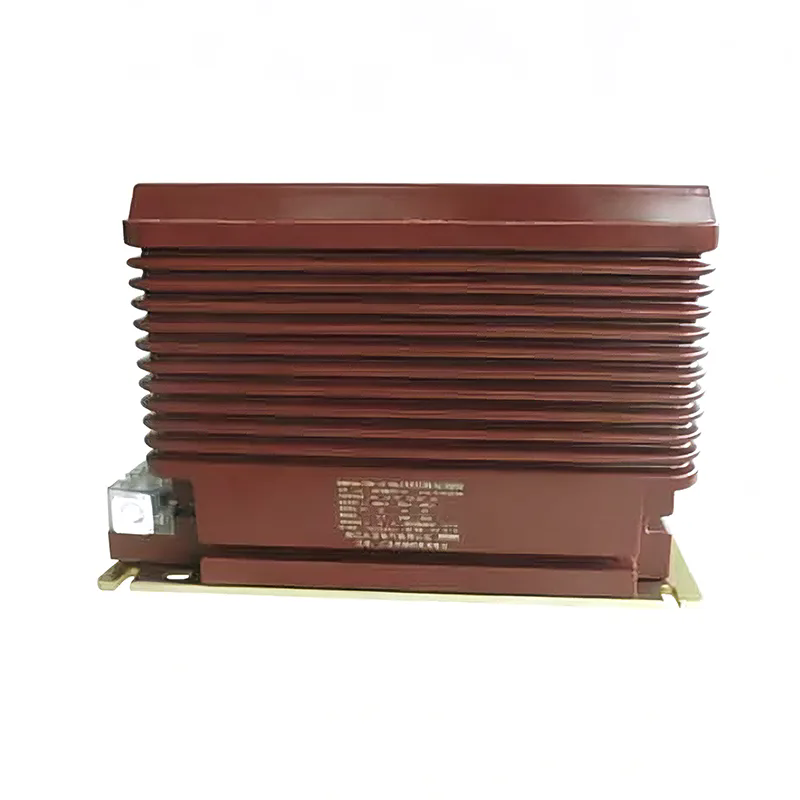
Table of Contents
- 1. Introduction to Current Transformer Technology
- 2. How Does a Current Transformer Work?
- 3. What Are the Main Components of a Current Transformer?
- 4. Where Are Current Transformers Used?
- 5. How to Choose the Right Current Transformer?
- 6. Key Advantages of Using High-Quality Current Transformers
- 7. Common Customer Challenges and Effective Solutions
- 8. Why Choose Youbian for Current Transformer Solutions?
- 9. Frequently Asked Questions About Current Transformers
1. Introduction to Current Transformer Technology
Electrical power systems require accurate measurement and reliable protection to ensure stable operation. In industrial plants, substations, renewable energy projects, and commercial buildings, electrical currents can reach extremely high levels that cannot be directly measured by ordinary instruments. This is where a Current Transformer becomes an essential component.
A Current Transformer is an instrument transformer that reduces high-voltage system currents into lower and safer current levels. This allows monitoring equipment, protective devices, and energy management systems to analyze electrical conditions without directly connecting to dangerous high-current circuits.
With the increasing demand for smart grids, automated power management, and energy efficiency, the role of Current Transformers has become more important than ever. A reliable CT solution helps reduce equipment damage risks, improve measurement accuracy, and support safer electrical operations.
Youbian focuses on providing dependable electrical solutions designed to meet different industrial requirements. Through advanced manufacturing processes and strict quality control, Youbian helps customers achieve stable and efficient power monitoring systems.
2. How Does a Current Transformer Work?
The working principle of a Current Transformer is based on electromagnetic induction. Similar to a traditional transformer, a CT contains primary and secondary windings placed around a magnetic core. When alternating current flows through the primary conductor, it creates a magnetic field inside the core. This magnetic field induces a proportional current in the secondary winding.
The main difference between a Current Transformer and a conventional power transformer is the purpose of operation. A power transformer transfers electrical energy between circuits, while a CT is mainly designed for measurement and protection.
| Component | Function |
|---|---|
| Primary Winding | Carries the high current from the power system and creates the magnetic field. |
| Secondary Winding | Produces a reduced current output for meters and protection equipment. |
| Magnetic Core | Transfers magnetic flux between primary and secondary circuits. |
| Insulation System | Provides electrical isolation and improves operational safety. |
| Housing | Protects internal components from environmental influences. |
For example, a power line carrying 1000A may use a Current Transformer to convert this current into a standard secondary output such as 5A or 1A. Monitoring devices can then safely process the signal without exposure to the original high-current circuit.
The accuracy of a Current Transformer depends on several factors, including core quality, winding design, load conditions, frequency stability, and manufacturing precision. Selecting a properly designed CT is essential for achieving dependable measurement results.
3. What Are the Main Components of a Current Transformer?
Understanding the structure of a Current Transformer helps users make better decisions when selecting electrical equipment. Each component plays an important role in ensuring measurement accuracy, safety, and long-term reliability.
| Component | Importance | Customer Benefit |
|---|---|---|
| Magnetic Core | Determines transformation performance and accuracy. | Provides stable current conversion. |
| Windings | Control transformation ratio and output performance. | Ensures precise measurement. |
| Insulation Material | Prevents electrical breakdown. | Improves safety and service life. |
| Terminal Connections | Provide secure electrical connections. | Reduces connection failures. |
| Protective Enclosure | Shields internal parts from external conditions. | Supports reliable operation in different environments. |
Modern Current Transformer designs focus not only on accuracy but also on durability, compact structure, and adaptability. Different industries may require different CT types depending on voltage levels, installation methods, and measurement objectives.
4. Where Are Current Transformers Used?
Current Transformers are widely applied across various industries because they provide safe and accurate current measurement. They are commonly found in electrical distribution systems, industrial automation, renewable energy installations, and power monitoring applications.
- Power Substations: CTs help measure transmission and distribution currents while supporting protection systems.
- Industrial Facilities: Manufacturing plants use CTs to monitor electrical consumption and prevent equipment failures.
- Energy Management Systems: CTs provide measurement data for improving energy efficiency.
- Renewable Energy Projects: Solar farms and wind power systems rely on CTs for current monitoring and grid connection management.
- Commercial Buildings: CTs support accurate electricity measurement and intelligent power control.
As electrical systems become more intelligent, Current Transformers are increasingly connected with digital monitoring platforms. Accurate current data allows operators to identify abnormal conditions quickly and improve overall system management.
5. How to Choose the Right Current Transformer?
Selecting a suitable Current Transformer requires careful consideration of electrical parameters, application conditions, and long-term operating requirements. Choosing an unsuitable CT may result in inaccurate measurement, protection system failure, or unnecessary maintenance costs. Customers should evaluate several important factors before purchasing.
The correct Current Transformer should match the characteristics of the electrical system and provide stable performance under normal and abnormal operating conditions. Youbian recommends evaluating the following key factors when selecting a CT solution:
| Selection Factor | Explanation | Why It Matters |
|---|---|---|
| Rated Primary Current | The maximum current that flows through the primary circuit. | Ensures the CT operates safely without overload. |
| Rated Secondary Current | The standard output current, commonly 1A or 5A. | Allows compatibility with meters and protection devices. |
| Accuracy Class | Defines measurement precision under specified conditions. | Improves energy monitoring and protection reliability. |
| Burden Rating | The maximum load the secondary circuit can support. | Maintains accurate output performance. |
| Installation Environment | Includes temperature, humidity, pollution level, and space limitations. | Improves durability and service life. |
Another important consideration is the purpose of the Current Transformer. Measurement applications usually require high accuracy, while protection applications require excellent performance during fault conditions. Understanding the difference helps customers avoid selecting equipment that cannot meet operational requirements.
For example, a factory that needs real-time energy monitoring may prioritize measurement accuracy, while a high-voltage substation may focus more on protection performance. A properly selected Current Transformer provides reliable data and helps reduce operational risks.
6. Key Advantages of Using High-Quality Current Transformers
A high-quality Current Transformer provides more than simple current conversion. It improves electrical system safety, supports efficient energy management, and helps organizations reduce operating expenses.
- Improved Electrical Safety: Current Transformers isolate measuring instruments from high-current circuits, allowing technicians to monitor systems without direct exposure to dangerous electrical levels.
- Accurate Power Monitoring: Reliable CT performance provides precise current data for electricity measurement, analysis, and optimization.
- Enhanced Equipment Protection: Protection relays depend on accurate current signals to quickly identify faults and prevent serious equipment damage.
- Better Energy Efficiency: Accurate monitoring helps companies understand consumption patterns and identify opportunities for reducing energy waste.
- Long-Term Reliability: Well-designed Current Transformers operate consistently under demanding industrial conditions.
In modern electrical systems, inaccurate current measurement can lead to incorrect decisions, unexpected downtime, and increased maintenance expenses. Investing in dependable CT equipment helps companies maintain stable operations and improve overall productivity.
7. Common Customer Challenges and Effective Solutions
Many customers face difficulties when integrating Current Transformers into existing electrical systems. These challenges are often related to selection errors, installation problems, or insufficient product performance.
| Customer Challenge | Possible Cause | Recommended Solution |
|---|---|---|
| Inaccurate Current Measurement | Incorrect CT ratio or unsuitable accuracy class. | Select a Current Transformer based on actual system requirements. |
| Protection System Response Issues | Poor CT performance during fault conditions. | Use CT products designed for protection applications. |
| Short Equipment Lifespan | Low-quality materials or unsuitable installation environment. | Choose reliable products with strong insulation and construction. |
| High Maintenance Requirements | Unstable operation or improper installation. | Use professionally designed solutions and follow installation guidelines. |
| Difficulty Integrating With Existing Systems | Incorrect specifications or incompatible outputs. | Confirm technical parameters before selection. |
These problems can significantly affect industrial productivity and electrical safety. Working with an experienced manufacturer helps customers avoid common mistakes and obtain a Current Transformer solution that fits their specific application.
8. Why Choose Youbian for Current Transformer Solutions?
Choosing the right supplier is an important step in ensuring reliable electrical system performance. Youbian provides Current Transformer products designed to support various power measurement and protection applications.
With professional manufacturing experience and a strong focus on product quality, Youbian develops electrical solutions that meet different customer requirements. The company understands that every project has unique technical challenges, so customized solutions can help customers achieve better results.
The advantages of working with Youbian include:
- Reliable Product Performance: Youbian Current Transformers are designed with attention to electrical stability, accuracy, and durability.
- Professional Technical Support: Customers can receive assistance in selecting suitable specifications for different applications.
- Flexible Application Solutions: Products can support various industries, including power distribution, industrial automation, and energy management.
- Quality-Oriented Manufacturing: Careful production processes help ensure consistent product performance.
- Customer-Focused Service: Youbian works closely with customers to provide practical electrical solutions.
Whether for new power projects or upgrading existing electrical systems, selecting a dependable Current Transformer supplier can improve system reliability and reduce future operational concerns.
9. Frequently Asked Questions About Current Transformers
What is the main purpose of a Current Transformer?
A Current Transformer is mainly used to convert high electrical currents into lower, measurable current signals. This allows electrical meters and protection devices to monitor power systems safely and accurately.
Why cannot high currents be measured directly?
Direct measurement of high currents can be dangerous and requires expensive equipment. A Current Transformer provides electrical isolation and reduces the current level to a safer value for monitoring devices.
What is the difference between a Current Transformer and a voltage transformer?
A Current Transformer measures and reduces current levels, while a voltage transformer reduces high voltage levels. Both are instrument transformers but serve different measurement purposes.
What factors affect Current Transformer accuracy?
Accuracy can be affected by the core material, winding design, burden load, temperature conditions, frequency, and whether the CT is correctly selected for the application.
How often should a Current Transformer be maintained?
Maintenance schedules depend on the operating environment and system importance. Regular inspection of connections, insulation conditions, and operating performance helps ensure reliable operation.
Can Youbian provide customized Current Transformer solutions?
Yes. Youbian can support customers with different technical requirements by providing suitable Current Transformer solutions according to application conditions, electrical parameters, and installation needs.
Conclusion: Building Safer and Smarter Power Systems With Current Transformer Technology
Current Transformers play a fundamental role in modern electrical systems by providing accurate measurement, reliable protection, and improved operational safety. From industrial facilities and substations to renewable energy projects, CT technology helps organizations manage electricity more effectively.
Choosing the correct Current Transformer requires careful evaluation of current ratings, accuracy requirements, environmental conditions, and application goals. A reliable manufacturer can help customers avoid technical problems and achieve better long-term performance.
With professional experience, quality-focused manufacturing, and customer-oriented solutions, Youbian continues to support industries that require dependable electrical measurement and protection equipment. For reliable Current Transformer products and customized electrical solutions, please contact us today and discover how Youbian can help improve your power system performance.