

How Does a Cellular Network Antenna Improve Modern Wireless Communication?
2026-09-01
Article Summary
A cellular network antenna is one of the most important components in modern wireless infrastructure. It directly affects signal coverage, communication stability, network capacity, and user experience. As mobile communication continues to expand with 4G, 5G, and future network technologies, businesses and network operators need reliable antenna solutions that can overcome challenges such as weak signals, high-density environments, interference, and increasing data demands.
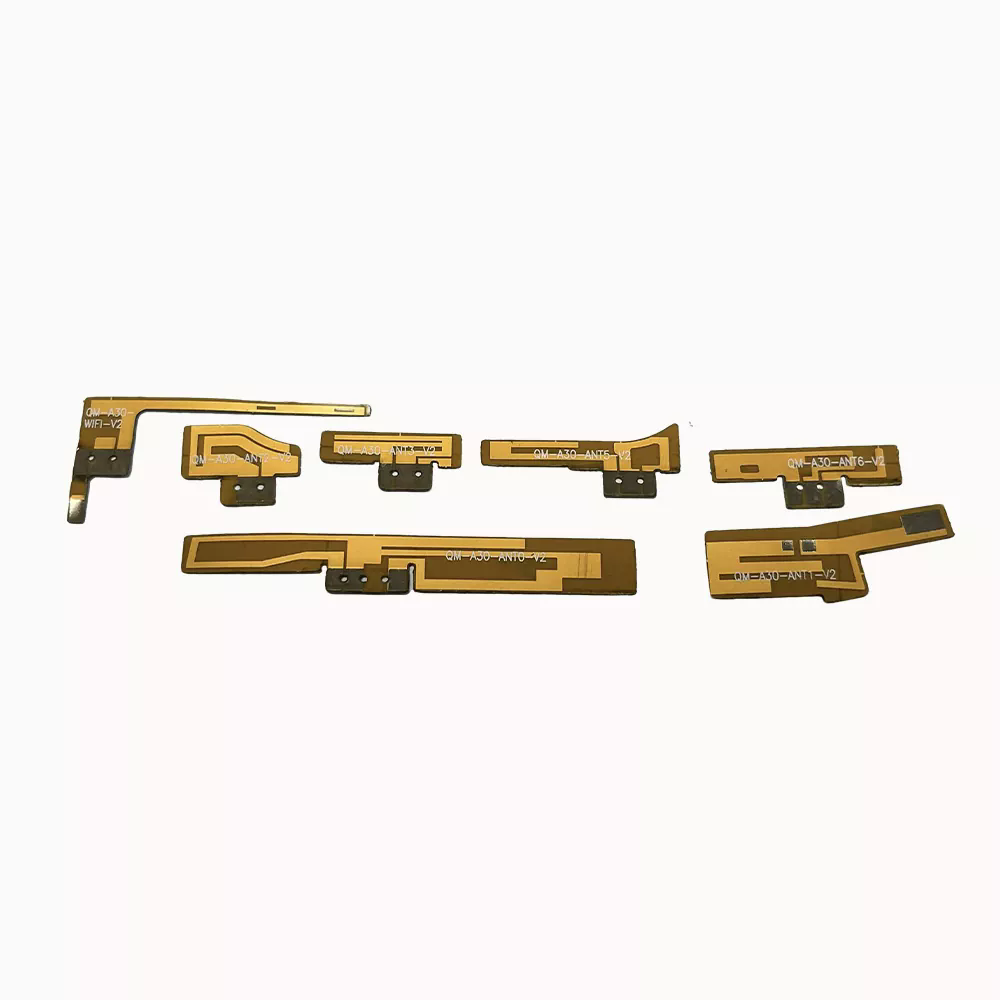
This article explains how a cellular network antenna works, why it matters, what problems it solves, and how to choose the right antenna solution for different applications. With professional antenna design and manufacturing experience, Qianmu Communication provides reliable communication antenna solutions designed to support stable and efficient wireless networks.
Table of Contents
- 1. What Is a Cellular Network Antenna?
- 2. How Does a Cellular Network Antenna Work?
- 3. Why Is a Cellular Network Antenna Important for Wireless Networks?
- 4. What Challenges Can Cellular Network Antennas Solve?
- 5. Different Types of Cellular Network Antennas and Their Applications
- 6. How to Choose the Right Cellular Network Antenna?
- 7. Advantages of Choosing Qianmu Communication Cellular Network Antenna Solutions
- Frequently Asked Questions
What Is a Cellular Network Antenna?
A cellular network antenna is a specialized device used to transmit and receive radio frequency signals between mobile devices and communication infrastructure. It serves as the connection point between users and cellular networks, allowing smartphones, industrial devices, IoT equipment, and other wireless terminals to communicate efficiently.
Unlike simple signal transmission devices, modern cellular network antennas are carefully designed to operate across multiple frequency bands while maintaining strong signal performance. They are widely used in mobile base stations, smart transportation systems, industrial communication networks, public safety systems, and enterprise wireless environments.
The increasing demand for high-speed connectivity has made antenna performance more important than ever. A poorly designed or unsuitable antenna may cause problems such as unstable connections, reduced coverage range, slower data transmission, and frequent communication interruptions.
| Key Component | Main Function |
|---|---|
| Antenna Element | Converts electrical signals into electromagnetic waves and receives incoming wireless signals. |
| Frequency Design | Ensures compatibility with specific cellular frequency bands. |
| Radiation Pattern | Controls signal distribution and improves network coverage. |
| Connector System | Provides stable connection between the antenna and communication equipment. |
| Housing Structure | Protects internal components from environmental conditions. |
How Does a Cellular Network Antenna Work?
A cellular network antenna works by converting electrical energy into electromagnetic waves during signal transmission and converting received electromagnetic waves back into electrical signals during reception.
When a user makes a phone call, accesses mobile data, or connects an IoT device, the communication equipment sends radio frequency signals to the antenna. The antenna then broadcasts these signals through the surrounding area. When another device sends information back, the antenna captures the signal and transfers it to the network system for processing.
The overall performance of a cellular network antenna depends on several technical factors, including gain, frequency range, polarization, impedance matching, and radiation efficiency.
| Technical Factor | Impact on Network Performance |
|---|---|
| Frequency Range | Determines whether the antenna can support specific cellular technologies and frequency bands. |
| Antenna Gain | Affects signal strength and communication distance. |
| Polarization | Influences signal consistency and reduces transmission loss. |
| Radiation Efficiency | Determines how effectively energy is converted into wireless signals. |
| VSWR Performance | Helps maintain stable signal transmission and reduces power loss. |
For professional communication applications, antenna selection cannot rely only on appearance or basic specifications. The antenna must match the network environment, installation conditions, and performance requirements.
Why Is a Cellular Network Antenna Important for Wireless Networks?
The rapid growth of mobile communication has created higher requirements for network reliability. A cellular network antenna directly influences whether users can enjoy stable voice communication, fast internet access, and continuous wireless connections.
For network operators and businesses, investing in high-quality antennas helps reduce operational problems and improve overall system efficiency.
- Improved Signal Coverage: A properly designed antenna expands coverage areas and reduces weak signal zones.
- Better Data Transmission: High-performance antennas support faster and more reliable wireless data exchange.
- Enhanced Network Stability: Reliable antenna structures minimize communication interruptions caused by unstable signals.
- Support for Multiple Applications: Cellular antennas can serve telecommunications, industrial automation, smart cities, and IoT systems.
- Lower Maintenance Requirements: Durable antenna designs reduce replacement frequency and long-term operating costs.
What Challenges Can Cellular Network Antennas Solve?
Modern wireless communication faces many challenges, including increasing user numbers, complex environments, and growing data consumption. A suitable cellular network antenna can help solve these issues by improving signal quality and network efficiency.
| Common Challenge | How Cellular Network Antennas Help |
|---|---|
| Weak Indoor Signals | Provides optimized coverage solutions for buildings, warehouses, and enclosed spaces. |
| High User Density | Supports efficient signal distribution in crowded locations. |
| Signal Interference | Advanced antenna design helps improve signal separation and stability. |
| Remote Communication Needs | Extends wireless connectivity in rural and industrial areas. |
| Increasing Data Requirements | Supports modern cellular technologies with improved transmission capability. |
As wireless networks become more complex, antenna technology continues to evolve. Businesses require antenna solutions that provide not only strong performance but also long-term reliability in different environments.
Different Types of Cellular Network Antennas and Their Applications
Cellular network antennas are available in various designs to meet different communication requirements. Choosing the correct antenna type depends on factors such as coverage area, installation location, frequency requirements, and network performance expectations.
Different environments require different antenna structures. For example, a large outdoor base station may need a high-gain directional antenna, while an industrial facility may require a compact omnidirectional antenna to provide wide-area connectivity.
| Cellular Network Antenna Type | Main Characteristics | Typical Applications |
|---|---|---|
| Omnidirectional Antenna | Provides 360-degree signal coverage around the installation point. | IoT devices, small communication systems, outdoor wireless networks, and general coverage applications. |
| Directional Antenna | Focuses signals toward a specific direction to achieve longer transmission distance. | Point-to-point communication, rural coverage, and network expansion projects. |
| Panel Antenna | Flat and compact structure with controlled signal distribution. | Indoor coverage systems, commercial buildings, and enterprise networks. |
| Yagi Antenna | High directional gain with strong long-distance communication ability. | Remote areas, signal enhancement projects, and specialized wireless applications. |
| Multi-Band Antenna | Supports multiple frequency bands within one antenna structure. | 4G, 5G, and multi-network communication systems. |
With the development of 5G technology, antenna requirements have become more advanced. Modern cellular network antennas need to support wider bandwidth, lower latency communication, and higher connection density. This makes antenna design a critical factor in building efficient wireless networks.
How to Choose the Right Cellular Network Antenna?
Selecting a suitable cellular network antenna requires a comprehensive understanding of the communication environment. Many network problems occur because the antenna does not match the actual application conditions.
Before purchasing an antenna solution, businesses and engineers should evaluate several important factors.
- Frequency Compatibility: Ensure that the antenna supports the required cellular frequency bands, including 4G LTE, 5G, and other wireless standards.
- Installation Environment: Consider whether the antenna will be installed indoors, outdoors, on vehicles, towers, industrial equipment, or other locations.
- Signal Coverage Requirements: Select an antenna with suitable gain and radiation characteristics based on the required coverage distance.
- Environmental Protection: Outdoor antennas should have strong resistance against moisture, dust, temperature changes, and weather conditions.
- Connector and Cable Compatibility: Ensure that the antenna interface matches the communication equipment to avoid signal loss.
- Future Expansion Needs: Consider whether the antenna can support future network upgrades and increasing data demands.
| Selection Consideration | Questions to Evaluate |
|---|---|
| Network Standard | Does the antenna support the required 3G, 4G, LTE, 5G, or IoT communication systems? |
| Operating Frequency | Is the frequency range suitable for the target network environment? |
| Installation Location | Will the antenna operate indoors, outdoors, or in harsh industrial conditions? |
| Performance Requirement | Is higher gain, wider coverage, or compact design the priority? |
| Durability | Can the antenna maintain stable performance over long-term operation? |
Professional antenna manufacturers can help customers analyze application requirements and provide customized solutions. This approach reduces trial-and-error costs and improves network reliability.
Advantages of Choosing Qianmu Communication Cellular Network Antenna Solutions
Qianmu Communication focuses on developing reliable communication antenna products that meet the changing demands of modern wireless networks. With professional manufacturing capabilities and experience in antenna technology, the company provides solutions designed for stable signal transmission and efficient network performance.
Customers in telecommunications, industrial communication, smart devices, and IoT industries require antennas that deliver consistent performance under different operating conditions. Qianmu Communication designs products with attention to signal quality, structural reliability, and practical application needs.
| Qianmu Communication Strength | Customer Benefits |
|---|---|
| Professional Antenna Design | Helps achieve optimized signal performance for different communication scenarios. |
| Wide Application Experience | Supports various industries including telecommunications, IoT, transportation, and industrial systems. |
| Quality Manufacturing Process | Provides reliable products with consistent performance and durability. |
| Customized Communication Solutions | Allows antenna configurations to match specific technical requirements. |
| Technical Support Capability | Helps customers select suitable antenna solutions for their projects. |
A reliable cellular network antenna is not only a hardware component but also an important foundation for communication efficiency. By selecting the right antenna solution, companies can improve connectivity, reduce signal-related problems, and build stronger wireless networks.
Key Benefits of Modern Cellular Network Antenna Technology
The continuous improvement of antenna technology brings significant advantages to modern communication systems. Whether for commercial networks or industrial applications, advanced antenna solutions help create more stable and efficient wireless connections.
- Higher Network Reliability: Improved antenna design reduces connection failures and enhances communication continuity.
- Better Coverage Efficiency: Optimized radiation patterns allow networks to reach more users and devices.
- Support for Smart Applications: Cellular antennas provide essential connectivity for smart factories, connected vehicles, and IoT platforms.
- Flexible Deployment: Different antenna designs allow installation in various environments and applications.
- Long-Term Cost Efficiency: Durable antenna products help reduce maintenance and replacement expenses.
Frequently Asked Questions About Cellular Network Antennas
What is the main purpose of a cellular network antenna?
A cellular network antenna is designed to transmit and receive wireless signals between communication equipment and user devices. It enables mobile communication, internet access, and wireless data transmission.
How does a cellular network antenna improve signal quality?
A properly selected antenna improves signal quality by providing suitable gain, optimized frequency performance, and efficient signal radiation. It helps reduce weak signal areas and improves communication stability.
Can one cellular network antenna support multiple frequency bands?
Yes. Many modern cellular network antennas are designed as multi-band solutions that can support different communication frequencies, allowing operators to manage multiple network technologies more efficiently.
What factors affect cellular network antenna performance?
Performance depends on antenna design, frequency range, gain, installation location, surrounding environment, cable quality, and compatibility with communication equipment.
Why should businesses choose professional cellular network antenna suppliers?
Professional suppliers provide better technical support, reliable product quality, and customized solutions that match specific communication requirements. This helps businesses avoid performance issues caused by unsuitable antenna selection.
Conclusion
A cellular network antenna plays a vital role in modern wireless communication by ensuring stable signal transmission, expanding coverage, and supporting the growing demand for connected devices. From mobile networks and industrial communication to IoT applications, the right antenna solution directly affects network efficiency and user experience.
As communication technologies continue to develop, businesses need dependable antenna products that can adapt to changing requirements. Qianmu Communication provides professional cellular network antenna solutions designed to deliver reliable performance, flexible applications, and long-term value.
If you are looking for a dependable cellular network antenna solution customized for your communication project, please contact Qianmu Communication today. Our professional team is ready to provide suitable antenna products and technical support to help you build a stronger wireless network. Please contact us for more information.