

How Does a Bladeless Fan Improve Modern Air Circulation and Home Comfort?
2026-08-11
Article Summary:
A bladeless fan is becoming an increasingly popular cooling solution for homes, offices, hotels, and commercial spaces because of its modern appearance, safer structure, and smoother airflow performance. Unlike traditional fans with exposed rotating blades, a bladeless fan uses an internal air movement system to generate continuous airflow while reducing common problems such as difficult cleaning, safety concerns, and uneven wind distribution. This article explains how a bladeless fan works, why it is valuable for different environments, and how Basy provides reliable bladeless fan solutions designed for modern users.
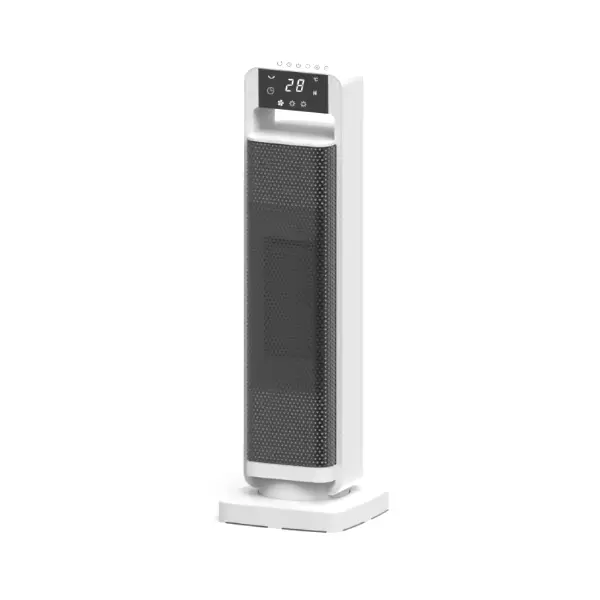
Table of Contents
- 1. What Is a Bladeless Fan?
- 2. How Does a Bladeless Fan Work?
- 3. What Advantages Does a Bladeless Fan Provide?
- 4. Bladeless Fan vs Traditional Fan: Which Is Better?
- 5. Where Can Bladeless Fans Be Used?
- 6. How to Choose the Right Bladeless Fan?
- 7. How to Maintain a Bladeless Fan?
- 8. Frequently Asked Questions About Bladeless Fans
1. What Is a Bladeless Fan?
A bladeless fan is an advanced electric fan designed to produce airflow without visible external blades. Instead of relying on large rotating blades to push air directly, this type of fan uses an internal motor and impeller system to draw air into the base or housing and accelerate it through a specially designed airflow channel.
The innovative structure allows the fan to create a smooth and continuous breeze. Traditional fans often produce interrupted airflow because rotating blades repeatedly cut through the air, while bladeless fans are designed to provide a more stable air stream.
For families with children, pets, or elderly users, safety is one of the most important concerns when selecting home appliances. The enclosed design of a bladeless fan eliminates exposed fast-moving blades, reducing the risk of accidental contact during daily use.
Basy focuses on developing practical and efficient home appliance solutions. Its bladeless fan products combine modern design concepts with reliable performance to meet the requirements of global customers looking for comfortable and safe cooling equipment.
2. How Does a Bladeless Fan Work?
Understanding the working principle of a bladeless fan helps users recognize why this technology provides a different cooling experience.
The operation process can generally be divided into several stages:
| Working Stage | Description |
|---|---|
| Air Intake | The internal motor draws surrounding air into the fan base or enclosed chamber. |
| Air Acceleration | The internal impeller increases airflow speed before directing it through the air outlet. |
| Air Amplification | The specially designed ring or airflow channel helps expand and stabilize the airflow. |
| Continuous Breeze Output | The fan releases a smooth stream of air for improved comfort. |
The design principle behind many bladeless fans is based on airflow amplification. A small amount of air generated internally can help move additional surrounding air, creating a stronger and more comfortable breeze.
Compared with conventional fans, the airflow is less turbulent because there are no visible blades directly chopping the air. This makes bladeless fans suitable for bedrooms, working areas, and spaces where quiet operation is important.
3. What Advantages Does a Bladeless Fan Provide?
Many consumers choose bladeless fans because they solve several common problems associated with traditional cooling devices.
1. Safer Design for Families
Traditional fans require protective grills because the rotating blades can cause injury if touched accidentally. A bladeless fan removes this concern through its enclosed airflow structure, making it a suitable choice for households with young children and pets.
2. Easier Cleaning and Maintenance
Dust accumulation on fan blades and protective covers is a common cleaning challenge. Since a bladeless fan does not have exposed blades, daily maintenance becomes easier. Users mainly need to clean the external surface and air inlet area regularly.
3. Modern Appearance
The simple and stylish appearance of bladeless fans fits well with contemporary interior designs. Their compact structure saves visual space and complements modern homes, offices, hotels, and commercial environments.
4. More Comfortable Airflow
A smooth airflow pattern helps prevent the uncomfortable feeling caused by direct strong wind from traditional fans. Many users prefer bladeless fans because they provide a more natural cooling sensation.
5. Flexible Application
Bladeless fans can be used in multiple environments, including bedrooms, living rooms, offices, classrooms, and hospitality spaces. Their quiet and clean operation makes them suitable for long-term use.
4. Bladeless Fan vs Traditional Fan: Which Is Better?
| Feature | Bladeless Fan | Traditional Fan |
|---|---|---|
| Safety | Enclosed design with no exposed blades | Requires protective grille |
| Cleaning | Simple surface and inlet cleaning | Blade and grille cleaning required |
| Airflow | Smooth and continuous airflow | Strong but sometimes uneven airflow |
| Appearance | Modern minimalist design | Traditional structure |
| Usage Environment | Home, office, hotel, commercial spaces | Mainly household and general cooling |
Both fan types have their own advantages. Traditional fans remain popular because of their simple structure and strong airflow. However, users who value safety, design, convenience, and comfortable airflow often prefer bladeless fan technology.
5. Where Can Bladeless Fans Be Used?
A major advantage of bladeless fans is their wide range of applications. They are suitable for different environments where airflow quality and user comfort are important.
- Bedrooms: Provides comfortable airflow during sleeping without disturbing rest.
- Living Rooms: Offers efficient air circulation for family spaces.
- Offices: Creates a comfortable working environment with modern appearance.
- Hotels: Enhances guest experience with stylish and safe appliances.
- Commercial Areas: Supports air movement in shops, waiting areas, and public spaces.
For businesses purchasing fans in large quantities, choosing a reliable manufacturer is essential. Basy provides professional appliance manufacturing capabilities and customized solutions for different market requirements.
6. How to Choose the Right Bladeless Fan?
Selecting the right bladeless fan requires consideration of several important factors.
| Selection Factor | What to Consider |
|---|---|
| Airflow Performance | Choose a model suitable for the room size and cooling requirement. |
| Noise Level | Lower operating noise is better for bedrooms and workplaces. |
| Energy Efficiency | Efficient motors help reduce long-term electricity costs. |
| Design Quality | A durable structure improves product lifespan. |
| Manufacturer Capability | Select suppliers with production experience and customization ability. |
When purchasing for personal use or business distribution, product quality, manufacturing experience, and after-sales support should all be considered.
7. How to Maintain a Bladeless Fan?
Although bladeless fans require less maintenance than traditional fans, regular care can improve performance and extend service life.
- Clean the air inlet regularly to prevent dust accumulation.
- Use a soft cloth to wipe the external housing.
- Avoid blocking the airflow outlet during operation.
- Keep the fan away from excessive moisture.
- Check power connections regularly for safe operation.
Proper maintenance ensures stable airflow performance and helps the fan operate efficiently over a longer period.
8. Frequently Asked Questions About Bladeless Fans
Q1: Is a bladeless fan really without blades?
A bladeless fan does not have visible external blades. Most models still use an internal impeller or fan mechanism to generate airflow, but the rotating components are safely enclosed inside the structure.
Q2: Are bladeless fans safer than normal fans?
Yes. The enclosed design reduces the possibility of accidental contact with rotating parts, making them a safer option for many households.
Q3: Can a bladeless fan cool a large room?
The cooling ability depends on airflow capacity, room size, and product specifications. Choosing the correct model according to the application environment is important.
Q4: Why choose Basy bladeless fans?
Basy combines manufacturing experience, product development capabilities, and customer-focused solutions to provide reliable bladeless fan products for different markets and applications.
Q5: How long can a bladeless fan operate?
The service life depends on product quality, usage conditions, and maintenance. High-quality components and proper care can significantly improve durability.
Conclusion
A bladeless fan represents a modern approach to air circulation by combining safety, convenience, elegant design, and comfortable airflow. Compared with traditional fans, it provides solutions to common user concerns such as cleaning difficulty, exposed blades, and uneven wind distribution.
As a professional manufacturer, Basy continues to develop practical and reliable bladeless fan solutions for homes, offices, and commercial applications. Whether you need standard products or customized solutions, Basy is ready to support your cooling needs. Contact us today to discover high-quality bladeless fan options designed for modern lifestyles.