

How Does a 2.5 SATA SSD Improve Storage Performance and Reliability?
2026-08-04
Article Summary
A 2.5 SATA SSD has become a practical storage solution for users who need faster system response, stable data access, and improved energy efficiency without replacing existing devices with expensive hardware upgrades. Compared with traditional hard disk drives, a 2.5 SATA SSD delivers faster boot times, quicker file transfers, lower power consumption, and stronger resistance to physical shock. This article explains how a 2.5 SATA SSD works, why it is widely used in industrial and consumer applications, how to select the right model, and how GUDGA provides reliable storage solutions for different customer requirements.
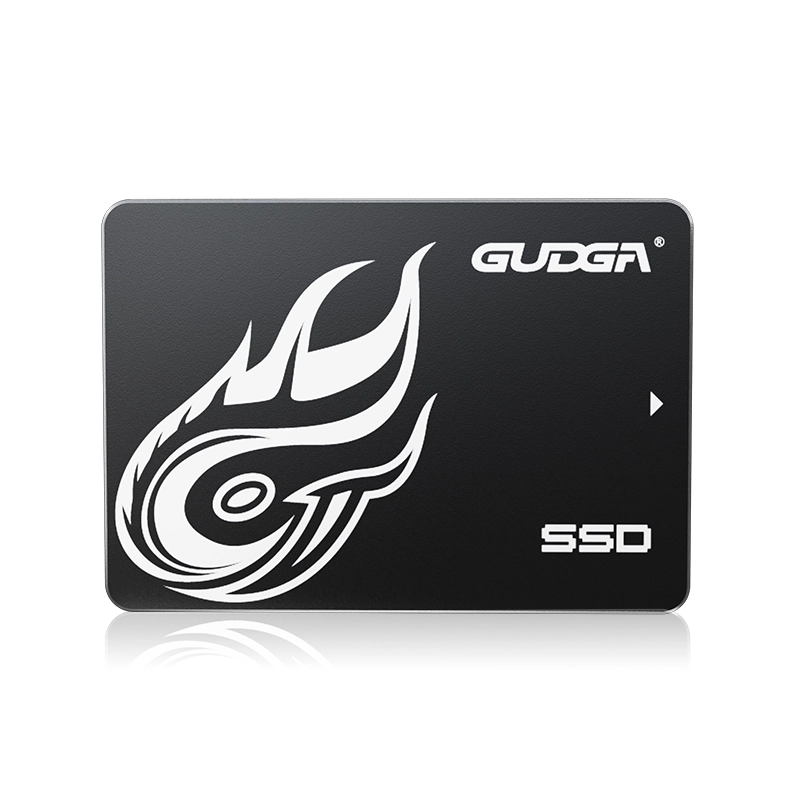
Table of Contents
- 1. What Is a 2.5 SATA SSD?
- 2. How Does a 2.5 SATA SSD Work?
- 3. Why Choose a 2.5 SATA SSD?
- 4. Where Are 2.5 SATA SSDs Commonly Used?
- 5. How to Select the Right 2.5 SATA SSD?
- 6. 2.5 SATA SSD vs Traditional Storage Devices
- 7. Why Choose GUDGA 2.5 SATA SSD Solutions?
- 8. Frequently Asked Questions
Article Outline
- The basic structure and operation principle of 2.5 SATA SSD technology
- The performance advantages compared with HDD storage
- Common customer challenges and practical solutions
- Important factors when purchasing industrial and commercial SSD products
- Applications across different industries
- Professional storage solutions provided by GUDGA
What Is a 2.5 SATA SSD?
A 2.5 SATA SSD is a solid-state storage device designed with a standard 2.5-inch form factor and a SATA interface. It uses NAND flash memory instead of mechanical components to store digital data. Because there are no spinning disks or moving read/write heads inside the drive, the device can provide faster access speeds, better durability, and quieter operation.
The 2.5-inch design makes this type of SSD highly compatible with many existing computers, industrial computers, embedded systems, and enterprise equipment. For customers who want to upgrade storage performance without changing the entire system architecture, a 2.5 SATA SSD offers a convenient and cost-effective solution.
Modern storage users often face problems such as slow system startup, limited storage capacity, high failure rates, and unstable performance in demanding environments. A reliable 2.5 SATA SSD can effectively solve these challenges by providing consistent data processing capability and long-term operational stability.
How Does a 2.5 SATA SSD Work?
The working principle of a 2.5 SATA SSD is based on electronic data storage. Unlike HDDs that rely on physical movement, SSDs store information inside NAND flash memory chips. When data is requested, the SSD controller manages communication between the host system and memory cells to complete reading and writing operations.
The main components of a 2.5 SATA SSD include:
- NAND Flash Memory: Stores user data permanently even when power is removed.
- SSD Controller: Controls data transmission, error correction, and performance optimization.
- Firmware: Helps manage drive operation and improves reliability.
- SATA Interface: Provides compatibility with computers and industrial systems.
- Cache Memory: Improves data access efficiency during intensive workloads.
When a user saves a file, the controller distributes the data across flash memory cells. Advanced management technology helps reduce unnecessary wear on individual cells, extending the service life of the SSD.
Why Choose a 2.5 SATA SSD?
Many customers upgrade from HDD storage because they need better speed, reliability, and efficiency. A 2.5 SATA SSD provides several important benefits.
| Feature | Customer Benefit |
|---|---|
| High Data Access Speed | Faster operating systems, applications, and file transfers |
| No Mechanical Parts | Lower risk of physical damage and improved durability |
| Low Power Consumption | Reduced energy usage for computers and industrial equipment |
| Silent Operation | No vibration or mechanical noise during operation |
| Compact Design | Easy installation in space-limited systems |
For businesses operating critical equipment, storage reliability is especially important. Unexpected storage failure can lead to production interruptions, data loss, and increased maintenance costs. Selecting a stable SSD helps minimize these operational risks.
Where Are 2.5 SATA SSDs Commonly Used?
The flexible design of 2.5 SATA SSDs allows them to support a wide range of applications. They are commonly used in environments where stable storage performance is required.
- Industrial Computers: Used in automation systems, manufacturing equipment, and monitoring platforms.
- Embedded Systems: Suitable for compact devices requiring reliable long-term storage.
- Commercial Computers: Improves performance for office computers, workstations, and business terminals.
- Surveillance Systems: Supports continuous data recording and fast access.
- Medical Equipment: Provides stable storage for professional devices that require dependable operation.
- Transportation Systems: Helps maintain reliable data storage in vehicles and control systems.
Different industries have different requirements for storage temperature range, endurance, capacity, and reliability. Therefore, choosing an SSD supplier with professional experience is important for achieving long-term performance.
How to Select the Right 2.5 SATA SSD?
Choosing the correct SSD requires evaluating several technical factors. A suitable storage device should match the actual working environment and application requirements.
| Selection Factor | Important Consideration |
|---|---|
| Storage Capacity | Select capacity based on operating system, software, and data requirements |
| Read/Write Speed | Higher performance is needed for data-intensive applications |
| Endurance | Important for systems with frequent writing operations |
| Operating Temperature | Choose suitable models for harsh industrial environments |
| Compatibility | Ensure interface and size match existing equipment |
Customers should also consider product quality, supplier experience, and technical support. A reliable SSD manufacturer can provide better consistency and customized solutions for special applications.
2.5 SATA SSD vs Traditional Storage Devices
Understanding the difference between SSD and HDD technology helps customers make better purchasing decisions.
| Comparison Item | 2.5 SATA SSD | Traditional HDD |
|---|---|---|
| Data Access | Fast electronic access | Slower mechanical operation |
| Durability | Higher resistance to vibration and shock | More sensitive to physical movement |
| Noise Level | Silent operation | Mechanical noise generated |
| Energy Efficiency | Lower power consumption | Higher energy usage |
| Maintenance | Reduced maintenance requirements | Higher mechanical failure risk |
Why Choose GUDGA 2.5 SATA SSD Solutions?
GUDGA focuses on providing dependable storage solutions designed for different application environments. The company understands that customers require more than just storage capacity. They need products that deliver stable performance, long service life, and compatibility with existing systems.
GUDGA 2.5 SATA SSD products are developed to meet the needs of various users, including industrial customers, system integrators, and commercial applications. Through careful component selection and quality control, GUDGA helps customers achieve reliable data storage performance.
Whether upgrading existing equipment or designing a new system, selecting the right SSD solution can improve efficiency and reduce future maintenance problems. Professional technical support and customized storage options allow customers to choose products that better match their specific requirements.
Key Benefits of GUDGA Storage Solutions
- Reliable performance for long-term operation
- Compatibility with various SATA-based systems
- Suitable for industrial and commercial applications
- Stable data management capability
- Professional support for different storage requirements
Frequently Asked Questions
What is the lifespan of a 2.5 SATA SSD?
The lifespan of a 2.5 SATA SSD depends on factors such as flash memory quality, usage frequency, workload type, and operating conditions. Proper selection and correct application can significantly improve service life.
Can a 2.5 SATA SSD replace an HDD directly?
In most systems, a 2.5 SATA SSD can directly replace a traditional HDD because both use similar physical dimensions and SATA connections. However, users should confirm system compatibility before installation.
Is a 2.5 SATA SSD suitable for industrial applications?
Yes. Many industrial systems use 2.5 SATA SSDs because they provide stable operation, low power consumption, and better resistance to vibration compared with mechanical drives.
How can users improve SSD performance?
Users can maintain SSD performance by selecting suitable capacity, keeping sufficient free space, updating firmware when necessary, and choosing products designed for the intended workload.
Conclusion
A 2.5 SATA SSD is an efficient storage solution that helps users overcome common problems such as slow performance, unstable operation, and limited system efficiency. With faster data access, strong durability, and broad compatibility, it has become an important choice for modern computing and industrial applications.
GUDGA continues to provide reliable SSD solutions that support different customer requirements. By choosing a professional storage partner, businesses can improve equipment performance and build more dependable systems. For high-quality 2.5 SATA SSD products and customized storage solutions, please contact us today to discuss your application needs.