Article Summary
Music Device Panel Boards play a critical role in modern audio systems by acting as the central interface between users and complex electronic components. These boards integrate control functions, signal distribution, and operational management into a single structured platform. This article explores how they work, why they matter, the challenges they solve for manufacturers and users, and how high-quality engineering improves long-term reliability and performance. It also highlights industrial applications and design considerations for better system stability.
1. Overview of Music Device Panel Boards
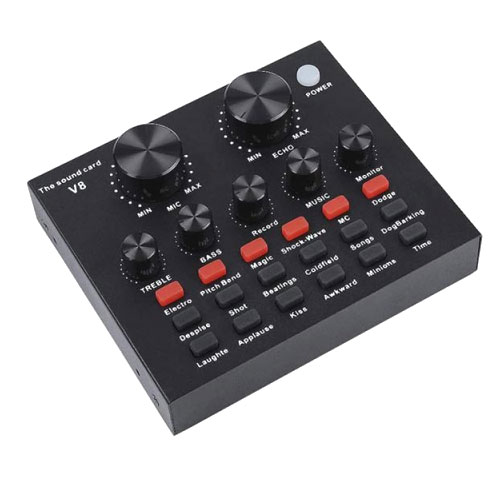
Music Device Panel Boards are integrated electronic control units used in professional and consumer audio systems. They function as the operational hub where user commands—such as volume adjustment, equalizer settings, input selection, and system configuration—are processed and transmitted to the internal circuitry.
In modern sound systems, these boards are essential because they ensure that different hardware components communicate efficiently. Without a well-designed panel board, audio systems can suffer from inconsistent performance, signal delays, or even complete functional failure.
2. Core Functions and Structure
A Music Device Panel Board is not a single-purpose component. It integrates multiple functional layers to ensure seamless operation.
-
Control Interface: Receives user inputs such as buttons, touch panels, or rotary encoders.
-
Signal Routing: Directs audio and control signals to the correct modules.
-
Power Distribution: Ensures stable voltage supply to sensitive components.
-
Microcontroller Integration: Executes firmware-based control logic.
-
Feedback System: Provides visual or audio indicators for user interaction.
Structurally, these boards are built using multilayer PCB technology to separate signal paths and minimize interference.
3. Key Problems They Solve
Manufacturers and system designers often face several challenges in audio device development. Music Device Panel Boards directly address these issues:
-
Signal Interference: Reduces noise and cross-channel distortion.
-
System Complexity: Consolidates multiple control modules into one interface.
-
User Experience Issues: Provides intuitive control mechanisms.
-
Reliability Problems: Improves durability through standardized circuit design.
-
Integration Difficulties: Ensures compatibility across multiple audio components.
By solving these issues, panel boards significantly enhance both product performance and end-user satisfaction.
4. Common Types of Panel Boards
Different audio systems require different types of control board configurations. Below are the most widely used categories:
-
Analog Control Boards: Use physical potentiometers and switches for direct signal manipulation.
-
Digital Control Boards: Utilize microcontrollers for software-driven control logic.
-
Hybrid Boards: Combine analog signal processing with digital control systems.
-
Touch Interface Boards: Support capacitive touch and smart user interfaces.
Each type is selected based on system complexity, cost requirements, and intended application environment.
5. Design and Engineering Considerations
Designing an efficient Music Device Panel Board requires precision engineering and careful planning. Key considerations include:
-
Electromagnetic interference (EMI) shielding
-
Thermal management for long-term stability
-
High-quality copper layering for signal integrity
-
Component placement optimization
-
Firmware compatibility and upgrade capability
A poorly designed board can lead to audio distortion, overheating issues, or system instability. Therefore, engineering expertise is essential in every stage of development.
6. Manufacturing and Quality Standards
High-performance Music Device Panel Boards require advanced manufacturing processes. Companies like Shenzhen Peak Fasten Technologies Co.,Ltd. focus on precision production methods to ensure reliability and durability in demanding environments.
Key manufacturing practices include:
-
Automated PCB assembly for accuracy
-
Strict quality inspection at every production stage
-
Use of industrial-grade electronic components
-
Environmental stress testing for temperature and humidity resistance
These processes ensure that each board meets consistent performance standards across large-scale production batches.
7. Functional Comparison Table
|
Feature
|
Basic Boards
|
Advanced Music Device Panel Boards
|
|
Signal Stability
|
Moderate
|
High with noise reduction design
|
|
User Interface
|
Limited physical controls
|
Digital + touch integration
|
|
Customization
|
Low
|
High with programmable firmware
|
|
Durability
|
Standard
|
Industrial-grade reliability
|
8. Industrial Applications
Music Device Panel Boards are widely used across multiple sectors, including:
-
Professional audio mixing consoles
-
Home theater systems
-
Public broadcasting equipment
-
Smart speaker systems
-
Recording studio hardware
Their adaptability makes them a core component in both consumer electronics and professional-grade sound systems.
9. Installation and Maintenance Guide
Proper installation and maintenance are essential for long-term performance.
-
Ensure correct voltage compatibility before installation
-
Avoid exposure to moisture or dust accumulation
-
Regularly inspect connectors for wear or oxidation
-
Update firmware when applicable
-
Use anti-static handling procedures during servicing
Routine maintenance helps extend system lifespan and reduces the risk of unexpected failures.
10. Frequently Asked Questions
Q1: What is the main purpose of a Music Device Panel Board?
It serves as the central control interface that manages audio system functions and signal routing.
Q2: Are digital boards better than analog ones?
Digital boards offer more flexibility and programmability, while analog boards are valued for simplicity and direct signal control.
Q3: Can panel boards be customized?
Yes, many manufacturers offer customized firmware, layouts, and interface designs depending on application needs.
Q4: What industries use these boards the most?
They are widely used in audio production, broadcasting, entertainment systems, and consumer electronics manufacturing.
11. Final Thoughts
Music Device Panel Boards are a fundamental component in modern audio system architecture. They combine control intelligence, signal stability, and user interaction into a unified platform that enhances overall performance and usability.
As audio technology continues to evolve, demand for more efficient, durable, and intelligent panel boards will continue to grow. Manufacturers that prioritize precision engineering and quality control are better positioned to meet these expectations.
Shenzhen Peak Fasten Technologies Co.,Ltd. continues to support global clients with reliable solutions designed for high-performance audio control systems.
For more technical details, customization options, or partnership opportunities, please feel free to contact us to discuss your project requirements and get professional support tailored to your needs.