

How Do Magnetic Sweepers Improve Debris Control Across Industrial and Commercial Sites?
2025-12-11
Magnetic sweepers are engineered tools designed to collect ferrous metal debris efficiently across construction zones, manufacturing plants, warehouses, workshops, parking lots, logistics centers, and outdoor maintenance areas. By relying on magnetic force rather than manual detection, these devices streamline debris control, prevent tire punctures, reduce workplace hazards, and enhance operational safety.
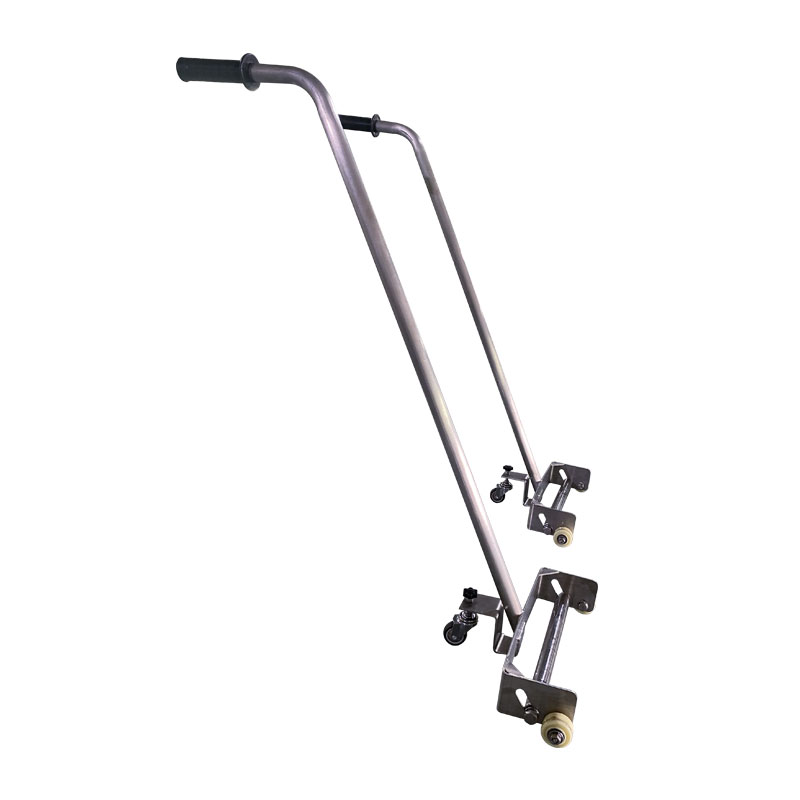
To support technical evaluation, the following table outlines representative parameters commonly configured for industrial-grade magnetic sweepers:
| Parameter Category | Typical Specification Range | Technical Notes |
|---|---|---|
| Magnet Type | Permanent ferrite / rare-earth neodymium | Rare-earth magnets provide higher holding force; ferrite offers cost efficiency. |
| Holding Capacity | 30–200 lbs of metallic debris (per unit length) | Influences debris retention on uneven surfaces or high-debris work zones. |
| Sweeping Width | 18–72 inches | Wider widths enhance coverage in large industrial areas. |
| Housing Material | Aluminum or powder-coated steel | Corrosion resistance and structural strength determine durability. |
| Release Mechanism | Manual quick-release / lever-actuated / foot-release | Allows debris disposal without manual hand contact. |
| Mounting Type | Hand-push, forklift-mounted, vehicle-mounted | Selection depends on mobility, area size, and sweeping frequency. |
| Wheel Type | Rubber, pneumatic, or heavy-duty caster | Impacts maneuverability on gravel, concrete, or asphalt. |
| Operating Height | 1–4 inches adjustable | Determines metal-pickup efficiency on uneven surfaces. |
This foundation supports a deeper exploration of how magnetic sweepers contribute to streamlined workplace operations and why optimized debris management remains critical for industrial productivity.
How Magnetic Sweeper Mechanisms Achieve High-Efficiency Metal Debris Retrieval
Magnetic sweepers utilize controlled magnetic fields to attract and secure nails, screws, metal shavings, wire fragments, rivets, and other ferrous debris from work surfaces. The underlying magnet assembly is engineered to balance field penetration, holding strength, and release functionality. This ensures that collected debris remains attached through vibration, directional changes, and surface irregularities.
A key operational question involves how field strength interacts with surface type. Industrial concrete floors require strong lateral retention and minimal vertical lift, while uneven outdoor terrain requires deeper field penetration. The magnet assembly is therefore calibrated according to the expected debris load, substrate material, and operational duty cycle. High-grade rare-earth magnets typically provide superior retention in environments where metal fragments embed themselves partially into soil or asphalt.
The structural housing protects the magnet core from moisture, impacts, and abrasive particles. Robust housings are especially important in construction zones where sharp impacts or dropped materials are common. Adjustable operating height allows operators to adapt sweeper clearance to debris volume and surface variation. A lower clearance improves pickup efficiency but may hinder smooth movement on rough ground; higher clearance reduces drag but can miss partially embedded objects.
Sweeping width influences throughput. Narrow units are preferred in aisles, corridors, and compact manufacturing cells, while wider units are used for hangars, distribution centers, and transport yards. In high-traffic industrial areas, debris loads accumulate quickly, making wide sweepers with high holding capacity indispensable.
Forklift-mounted and vehicle-mounted options offer efficiency when continuous sweeping is required. They allow debris collection during normal vehicle movement, eliminating dedicated labor hours while ensuring consistent debris management.
How Do Selection Criteria, Component Engineering, and Site Requirements Shape Magnetic Sweeper Performance?
Selecting a magnetic sweeper involves evaluating debris type, operational frequency, environmental conditions, and mobility demands. The criteria below outline the engineering considerations that determine suitability for various industrial and commercial sectors.
Magnet Strength and Field Design
Field strength must support both attraction and retention of ferrous materials. Weak fields risk leaving behind embedded fragments. Excessive field intensity may generate drag on metallic floors or attract metal objects unnecessarily. Balanced field design optimizes a three-dimensional field envelope suitable for typical debris distribution.
Release Mechanisms and Disposal Efficiency
Efficient disposal reduces downtime. Mechanical quick-release mechanisms prevent operators from having to manually pull debris from the magnet surface. In high-volume applications, a lever-assisted or foot-activated release mechanism accelerates the cleaning cycle. For forklift-mounted sweepers, a bottom-drop release design is often preferred for fast unloading into designated disposal containers.
Wheel and Axle Construction
Manoeuvrability depends on wheel selection. Rubber wheels are appropriate for indoor smooth flooring; pneumatic wheels handle gravel, cracked pavement, and uneven terrain. Heavy-duty caster wheels support directional flexibility in confined spaces. High-capacity axles with sealed bearings extend service life in dusty or wet conditions.
Housing Durability and Corrosion Protection
Long-term exposure to moisture, chemical residues, or abrasive particles requires durable, corrosion-resistant housing materials. Aluminum provides lightweight maneuverability, while powder-coated steel maximizes structural integrity. In coastal or high-humidity settings, enhanced coatings ensure magnetic performance longevity.
Compatibility With Industrial Equipment
Vehicle-mounted and forklift-mounted sweepers must adhere to standard mounting dimensions and safety specifications. Quick-hitch systems allow rapid deployment without requiring customized brackets. These design considerations enhance operational efficiency during multi-shift industrial activity.
How Is the Magnetic Sweeper Market Evolving With Industrial Automation and Workplace Safety Demands?
Global demand for magnetic sweepers continues to rise as industrial sectors focus on preventive maintenance, operational efficiency, and safety compliance. Workplace safety standards increasingly emphasize proactive debris mitigation due to the direct costs associated with punctured tires, equipment downtime, workplace injuries, and contamination risks. Many industrial facilities now incorporate magnetic sweeping into scheduled daily operations rather than periodic cleanup cycles.
Automation trends push manufacturers toward integrating sweepers with existing equipment fleets. Vehicle-mounted units allow debris removal during routine movements within logistics yards or construction sites. This passive-operation model aligns with lean maintenance strategies, allowing facilities to reduce standalone cleaning time.
Material innovation also shapes future development. Enhanced neodymium magnets deliver superior holding force while maintaining compact form factors. Composite housings, reinforced wheel assemblies, and corrosion-resistant coatings further improve durability. Adjustable multi-height systems allow operators to shift between fine-debris collection and coarse ground clearance.
Industries such as aviation maintenance, heavy construction, recycling plants, and steel fabrication increasingly rely on sweepers for preventive hazard reduction. The cost savings from reduced punctures and operational disruptions continue to reinforce investment in magnetic debris control solutions.
How Can Businesses Achieve Better Equipment Reliability Through Effective Magnetic Sweeper Deployment?
Effective deployment requires aligning sweeper capabilities with operational workflows. Industrial facilities benefit from strategic sweeping routes that cover ingress points, fabrication zones, storage aisles, and vehicle paths. High-debris areas may require multiple sweeping passes or continuous use of vehicle-mounted systems. Regular inspection of the magnet bed ensures optimal holding force and identifies damage caused by impacts or excessive debris buildup.
In distribution centers, daily sweeping prevents metal debris from damaging forklifts or pallet jacks. In construction zones, sweepers protect heavy machinery tires and reduce hazards for workers on foot. On agricultural fields, sweepers prevent metal fragments from entering harvesting equipment, reducing the likelihood of mechanical damage and contamination.
Proactive maintenance ensures consistent performance. Operators should inspect wheels, axles, housing integrity, and release mechanisms. Debris should be emptied frequently to maintain full magnetic capacity. Adjustable height settings must be calibrated to match site conditions. Facilities tracking maintenance metrics often observe a direct correlation between sweeper usage frequency and reduced equipment repair costs.
As industrial environments grow more automated and fast-paced, the reliability of debris control systems becomes indispensable. Magnetic sweepers provide a stable, low-maintenance solution that complements modern facility operations by reducing unplanned downtime and protecting high-value equipment.
Common Questions About Magnetic Sweepers
Q: How does sweeping height affect metal pickup efficiency?
A: Sweeping height determines how effectively the magnetic field interacts with debris. A lower height allows the magnet to capture fine particles and partially embedded fragments, but may reduce maneuverability on rough terrain. Higher clearance improves movement but may reduce pickup performance. Adjustable-height sweepers enable operators to balance efficiency and mobility based on real-world conditions.
Q: What type of magnetic sweeper is suitable for outdoor construction sites?
A: Outdoor construction zones typically require wide-format sweepers equipped with high-strength rare-earth magnets and pneumatic wheels. These components support efficient debris pickup across uneven terrain, gravel, soil, and asphalt. For large sites, forklift-mounted or vehicle-mounted sweepers provide continuous sweeping during normal vehicle movement, ensuring consistent hazard reduction.
Force Magnetic Solution Co., Ltd provides industrial-grade magnetic sweepers engineered for heavy-duty applications across construction, manufacturing, logistics, field maintenance, and equipment-intensive operations. Its product range emphasizes durable construction, high magnetic retention, and efficient release mechanisms to support demanding facility maintenance requirements. For organizations seeking optimized metal debris control solutions tailored to their operational environments, contact us to discuss specifications, applications, and procurement options tailored to your facility’s safety and productivity objectives.