

How Do EAS Alarm Tags Prevent Retail Theft and Improve Store Security?
2026-03-26
Article Summary
EAS Alarm Tags are essential tools in modern retail loss prevention systems. They help businesses reduce theft, protect inventory, and enhance operational efficiency. This article provides a comprehensive explanation of how EAS alarm tags work, the problems they solve, their types, key features, and how to choose the right solution. Whether you operate a clothing store, supermarket, or electronics shop, this guide will help you make informed decisions and maximize your security investment.
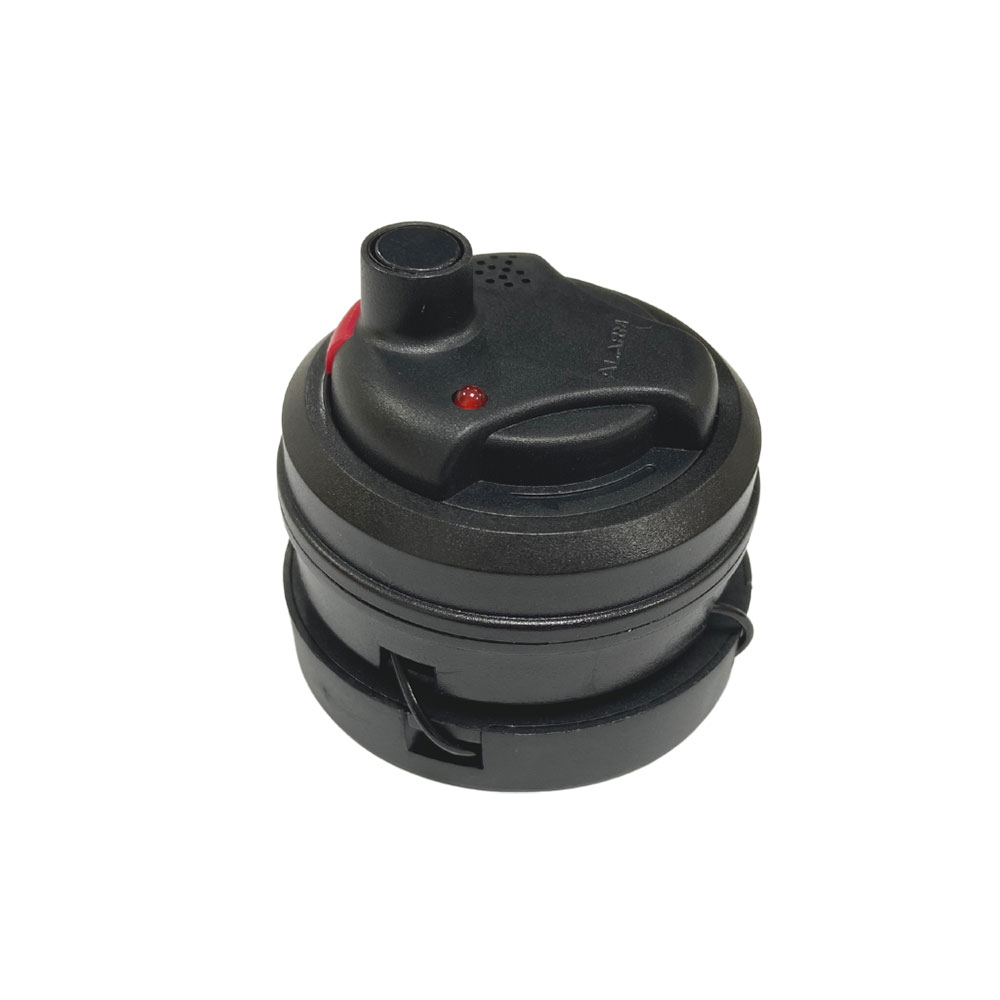
Table of Contents
- 1. What Are EAS Alarm Tags?
- 2. How Do EAS Alarm Tags Work?
- 3. Common Retail Pain Points Solved by EAS Tags
- 4. Types of EAS Alarm Tags
- 5. Key Features and Technical Specifications
- 6. How to Choose the Right EAS Alarm Tag
- 7. Installation and Usage Best Practices
- 8. Frequently Asked Questions
- 9. Conclusion
1. What Are EAS Alarm Tags?
EAS (Electronic Article Surveillance) alarm tags are security devices attached to retail merchandise to prevent theft. These tags interact with detection systems installed at store exits. If a tagged item passes through the detection zone without being properly deactivated or removed, an alarm is triggered.
EAS alarm tags are widely used across industries such as apparel, electronics, cosmetics, and supermarkets. They are a key component of retail loss prevention strategies and are designed to be both highly effective and minimally intrusive to the customer experience.
2. How Do EAS Alarm Tags Work?
EAS alarm tags operate based on electromagnetic or radio frequency technologies. The system typically consists of three components:
- Security tags attached to products
- Detection antennas installed at store exits
- Detachers or deactivators at checkout counters
When a product with an active tag passes through the detection antennas, the system identifies the signal emitted by the tag and triggers an alarm. Once the item is purchased, the cashier removes or deactivates the tag, allowing the customer to exit without triggering the alarm.
This simple yet effective mechanism significantly reduces shoplifting and unauthorized removal of goods.
3. Common Retail Pain Points Solved by EAS Tags
Retailers face multiple challenges when it comes to inventory security. EAS alarm tags directly address these issues:
- High Shrinkage Rates: Prevents loss due to theft
- Limited Staff Monitoring: Provides automated surveillance
- Customer Experience Concerns: Non-intrusive and efficient
- Inventory Inaccuracy: Reduces discrepancies in stock levels
By implementing EAS solutions, businesses can maintain better control over their inventory while minimizing operational costs.
4. Types of EAS Alarm Tags
Different retail environments require different types of EAS alarm tags. Below are the most common options:
- Hard Tags: Durable and reusable, ideal for clothing and high-value items
- Soft Labels: Disposable and discreet, suitable for packaged goods
- Ink Tags: Contain ink vials that break if tampered with
- Specialty Tags: Designed for specific products like bottles or eyewear
Choosing the right type depends on product category, store layout, and security requirements.
5. Key Features and Technical Specifications
| Feature | Description |
| Frequency Type | RF (Radio Frequency) or AM (Acousto-Magnetic) |
| Detection Range | Varies based on antenna system and tag type |
| Material | ABS plastic or durable composite materials |
| Locking Mechanism | Magnetic locking for secure attachment |
| Reusability | Hard tags are reusable; labels are disposable |
| Compatibility | Works with standard EAS systems |
Products from LIFANGMEI are engineered with precision, ensuring reliable detection performance and long-term durability in high-traffic retail environments.
6. How to Choose the Right EAS Alarm Tag
Selecting the appropriate EAS alarm tag requires careful consideration of several factors:
- Product Type: Apparel, electronics, or consumables
- Store Layout: Entrance width and customer flow
- Security Level: Value and theft risk of items
- System Compatibility: RF or AM technology
- Budget: Initial investment and long-term cost
Working with an experienced supplier ensures you receive tailored recommendations and reliable product performance.
7. Installation and Usage Best Practices
Proper implementation is critical for maximizing the effectiveness of EAS alarm tags:
- Install antennas at all entry and exit points
- Train staff on correct tag application and removal
- Regularly test system functionality
- Position tags strategically on products
Routine maintenance and staff awareness play a significant role in ensuring optimal system performance.
8. Frequently Asked Questions
Q1: Are EAS alarm tags reusable?
Yes, hard tags are reusable and can be removed at checkout, while soft labels are typically single-use.
Q2: Can EAS tags damage products?
No. When used correctly, EAS tags are designed to securely attach without causing damage.
Q3: What is the difference between RF and AM systems?
RF systems are cost-effective and widely used, while AM systems offer higher detection accuracy and are suitable for challenging environments.
Q4: Do EAS systems require maintenance?
Yes. Regular testing and calibration ensure consistent detection performance and reduce false alarms.
9. Conclusion
EAS alarm tags are an indispensable solution for modern retail security. They provide a cost-effective way to prevent theft, improve inventory accuracy, and enhance overall store operations. By understanding how they work and selecting the right type, businesses can significantly reduce losses and improve profitability.
LIFANGMEI offers a wide range of high-quality EAS alarm tag solutions designed to meet the diverse needs of global retailers. With reliable performance and durable design, these products help businesses maintain strong security standards while ensuring a seamless shopping experience.
If you are looking to upgrade your retail security system with proven and efficient solutions, contact us today to discover how we can support your business with professional EAS products and customized services.