

How Do Advanced Energy Storage Connectors Shape Performance, Safety, and Future Trends in High-Power Systems?
2025-12-10
Energy storage connectors play a decisive role in modern high-power applications such as renewable energy systems, battery energy storage systems (BESS), microgrids, EV charging equipment, industrial power modules, and backup power infrastructures. Their function goes far beyond a simple mechanical interface—they ensure high-current transmission, low-resistance performance, thermal stability, and long-term safety in demanding environments.
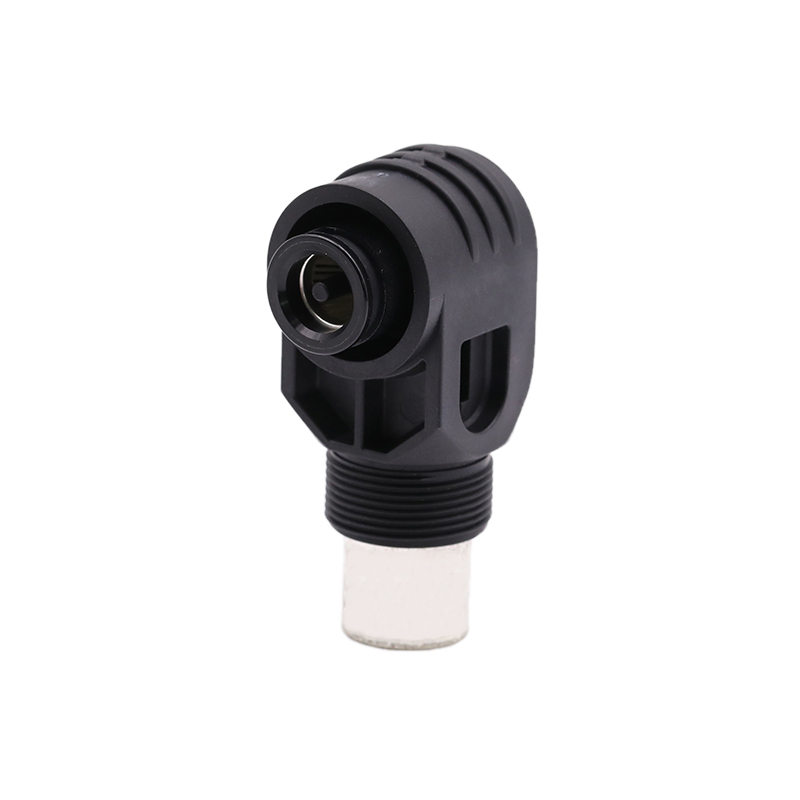
How Do High-Performance Energy Storage Connectors Improve Efficiency and Stability in Large-Scale Power Systems?
Energy storage systems operate under constant cycles of charge and discharge, meaning every component must maintain reliability under mechanical vibration, fluctuating loads, heat accumulation, and environmental exposure. The connector—often overlooked—becomes a bottleneck or a performance booster depending on its engineering quality.
Key Functions of an Energy Storage Connector
-
Transfers high-current loads with minimal resistance
-
Maintains heat stability during long-duration operation
-
Prevents accidental disconnection under vibration or impact
-
Ensures safe installation with anti-misplugging mechanisms
-
Supports modular expansion for large energy storage cabinets
-
Provides long service life with corrosion-resistant materials
To meet these requirements, advanced connectors adopt precision contact structures, reinforced housing materials, and optimized electroplating to reduce resistance and improve conductivity.
How Do Technical Specifications Determine the Performance of an Energy Storage Connector?
Below is a specification-focused table presenting the core parameters typically required for industrial-grade energy storage connectors designed for BESS cabinets, renewable power modules, and high-current DC transmission environments.
Technical Specifications Overview
| Parameter Category | Specification Details |
|---|---|
| Rated Current | 150A / 200A / 300A / 400A options |
| Rated Voltage | DC 1500V (common for utility-scale BESS) |
| Contact Resistance | ≤ 0.3 mΩ (ensures low power loss) |
| Insulation Resistance | ≥ 5000 MΩ @ 500V DC |
| Temperature Rise | ≤ 50°C under rated load |
| Operating Temperature | −40°C to +105°C |
| Connector Type | Panel-mount, plug-in, quick-release, anti-misplugging design |
| Material | Copper alloy contacts with silver plating |
| Flame Rating | UL94 V-0 |
| Ingress Protection Level | IP67 when mated |
| Connection Method | Crimping or bolt-fixed terminals |
| Mechanical Life | 1000–10,000 mating cycles depending on model |
These specifications demonstrate how connectors are engineered to deliver consistent conductivity, thermal control, and environmental durability necessary for energy storage deployments.
How Do Energy Storage Connectors Support Renewable Energy Growth and Future Industrial Trends?
The accelerating demand for clean energy creates substantial opportunities for connectors designed specifically for energy storage units. As renewable power installations scale, BESS requires connectors that adapt to evolving technical and strategic trends.
Key Trends Elevating Connector Requirements
a. High-Voltage / High-Current Systems
Utility-level energy storage continues to increase output density, making 1500V DC a standard requirement. Connectors must therefore:
-
withstand thermal loads
-
prevent arc damage
-
ensure stable conduction under fluctuating current
b. Safer and More Intelligent Designs
Future connectors integrate:
-
real-time temperature monitoring
-
anti-loose locking structures
-
arc-suppression technology
-
misalignment protection
These features address industry concerns over fire risk, overheating, and accidental engagement.
c. Miniaturization and High Power Density
As BESS cabinets become more compact, connectors must carry higher current loads within smaller footprints. This trend demands improved materials, better thermal pathways, and innovative mechanical geometry.
d. Fast Assembly for Modular Energy Storage
High-volume deployments require connectors that support:
-
quick plug-and-play installation
-
simplified cable management
-
rapid module replacement
This reduces overall project installation time and maintenance costs.
e. Compatibility With Smart Grid Ecosystems
Next-generation connectors are expected to work seamlessly with intelligent monitoring systems, enabling predictive maintenance and real-time system diagnostics.
How Do Application Advantages Demonstrate the Value of Using High-Quality Energy Storage Connectors?
a. Enhanced System Safety
Low contact resistance and heat-resistant materials significantly reduce the risk of thermal runaway.
b. Improved Energy Efficiency
Optimized conductive pathways minimize power loss, enabling maximum energy transfer during peak load cycles.
c. Stable Operation Under Harsh Conditions
Industrial-grade environmental protection ensures performance even in dusty, humid, or high-vibration installations.
d. Longer Operational Lifespan
Durable mechanical construction and high-cycle mating structures reduce maintenance frequency and lifetime cost.
e. Scalable Deployment
Modular architecture simplifies expansion as energy storage capacity requirements grow.
Common Questions About Energy Storage Connectors
Q1: How does contact resistance affect the performance of an energy storage connector?
A1: Contact resistance plays a critical role because high resistance generates heat during load transmission. Excessive heat can damage contacts, reduce efficiency, accelerate wear, and even lead to safety hazards. High-quality connectors use precision-machined alloy contacts with silver plating to maintain extremely low resistance, ensuring cool operation and stable current flow even under continuous high-power cycles.
Q2: How should an energy storage connector be selected for a high-current system?
A2: Selection should consider rated current, voltage level, ambient temperature, conductor size, installation orientation, and environmental exposure. For systems above 150A, connectors must provide strong locking mechanisms, anti-misplugging features, and tight environmental sealing. Thermal rise testing and cycle durability should also meet the certification requirements of UL, TUV, or equivalent industrial standards to ensure safety and long-term reliability.
How Will Future-Ready Connectors Redefine the Next Stage of Energy Storage Technology?
High-performance energy storage connectors are redefining how large-scale energy systems integrate safety, efficiency, and scalability. As renewable energy and BESS installations expand globally, connector technology must continue to evolve—supporting higher voltages, smarter operational monitoring, tighter environmental protection, and more adaptable mechanical structures. These improvements are essential to maintain stable power operation, extend system lifecycle, and enable energy infrastructures to transition into smarter, greener, and more sustainable forms.
Brands dedicated to precision engineering and reliability, such as Sanan®, continue to contribute to the advancement of energy storage connector technology by providing durable, safe, and performance-driven solutions for demanding industrial applications.
For professional consultation, technical specifications, or customized connector solutions tailored to your energy storage project requirements, contact us to receive detailed support and expert guidance.