

How Can Intelligent Weighing Equipment Transform Your Business Operations?
2026-03-31
Article Summary: Intelligent weighing equipment has emerged as a game-changer for industries ranging from manufacturing to logistics. This article explores how these advanced devices improve accuracy, efficiency, and operational transparency, helping businesses reduce errors, save costs, and make data-driven decisions. We also provide practical guidance for selecting the right equipment, implementation strategies, and maintenance tips.
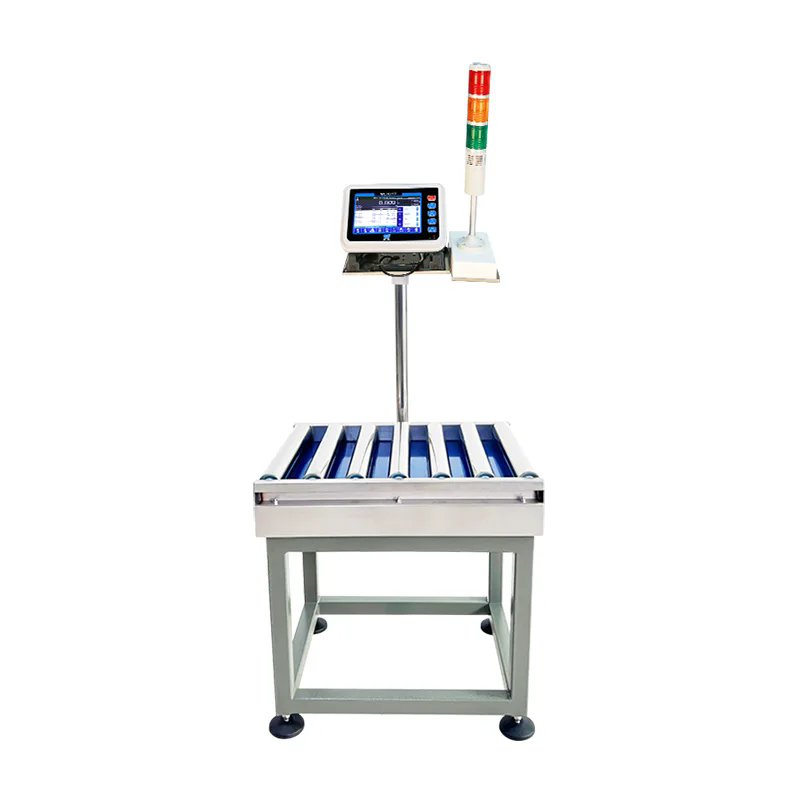
Table of Contents
- Introduction
- Key Benefits of Intelligent Weighing Equipment
- Types of Intelligent Weighing Equipment
- How to Choose the Right Equipment
- Implementation and Integration Tips
- Maintenance and Troubleshooting
- Frequently Asked Questions
- Conclusion
Introduction
In modern industrial and commercial environments, accuracy and efficiency are paramount. Traditional weighing methods often involve human errors, slow processes, and data inconsistencies. Intelligent weighing equipment, equipped with digital sensors, smart analytics, and connectivity features, offers a reliable solution to these challenges. Companies like J-sky have developed advanced weighing systems that enhance operational accuracy while providing actionable insights.
Key Benefits of Intelligent Weighing Equipment
Intelligent weighing equipment offers multiple advantages across various industries. Some of the most significant benefits include:
- High Accuracy: Digital sensors ensure precise measurements, reducing material waste and financial losses.
- Efficiency Boost: Automated weighing reduces manual labor and accelerates production processes.
- Data Transparency: Real-time monitoring allows management to track performance and detect anomalies quickly.
- Integration Capabilities: Connects seamlessly with ERP and inventory management systems for streamlined operations.
- Enhanced Compliance: Meets industry standards and regulatory requirements for measurement and reporting.
Types of Intelligent Weighing Equipment
Understanding the different types of intelligent weighing equipment helps businesses choose solutions that align with their operational needs.
| Equipment Type | Main Features | Applications |
|---|---|---|
| Industrial Scales | High-capacity, automated measurement, digital output | Manufacturing plants, bulk material weighing |
| Checkweighers | Fast weighing, automatic rejection of under/overweight items | Food production, packaging lines |
| Precision Balances | High-resolution measurement, calibration alerts | Laboratories, pharmaceutical industry |
| Truck Scales | Heavy-duty, integrated software, network connectivity | Logistics, mining, agriculture |
How to Choose the Right Equipment
Selecting intelligent weighing equipment requires careful consideration of operational needs, budget, and technical requirements. Key steps include:
- Assessing Capacity Requirements: Determine the maximum and minimum weight range your operation requires.
- Evaluating Accuracy Needs: Identify the precision level critical for your application to avoid measurement errors.
- Connectivity and Software Integration: Ensure compatibility with existing systems such as ERP, inventory, or quality control software.
- Compliance and Certification: Verify that the equipment meets industry-specific regulations and standards.
- Supplier Support: Partner with manufacturers like J-sky who provide training, installation, and after-sales support.
Implementation and Integration Tips
Integrating intelligent weighing equipment into existing operations can be smooth if planned carefully. Consider the following strategies:
- Site Preparation: Ensure stable flooring and proper environmental conditions to maintain measurement accuracy.
- Staff Training: Educate employees on operation, data interpretation, and maintenance procedures.
- Software Configuration: Customize reporting dashboards, alerts, and integration with other management systems.
- Test Runs: Perform trial operations to calibrate equipment and verify data accuracy before full-scale deployment.
Maintenance and Troubleshooting
Regular maintenance ensures consistent performance and longevity of intelligent weighing equipment:
- Routine Calibration: Schedule periodic calibration to maintain accuracy.
- Sensor Checks: Inspect load cells and digital sensors for wear or damage.
- Software Updates: Keep firmware and software updated for optimal performance.
- Cleaning Protocol: Follow manufacturer instructions to prevent dust, debris, or moisture interference.
Common troubleshooting tips:
- Incorrect readings → Recalibrate and check sensor alignment
- Intermittent connectivity → Verify network connections and update software
- System errors → Contact technical support for guidance
Frequently Asked Questions
- Q1: Can intelligent weighing equipment be customized?
- A1: Yes, many suppliers offer modular designs and software customization to meet specific operational requirements.
- Q2: How often should calibration be performed?
- A2: Calibration frequency depends on usage, environmental conditions, and regulatory requirements; typically, monthly or quarterly checks are recommended.
- Q3: Is remote monitoring possible?
- A3: Most modern intelligent weighing systems allow cloud-based monitoring, enabling managers to track operations from any location.
- Q4: What industries benefit most?
- A4: Manufacturing, logistics, food processing, pharmaceuticals, and agriculture gain significant advantages from improved accuracy and efficiency.
Conclusion
Intelligent weighing equipment is more than just a tool—it’s a strategic investment for modern businesses seeking accuracy, efficiency, and data-driven decision-making. By leveraging devices from trusted providers like J-sky, companies can minimize errors, streamline processes, and gain valuable insights. Whether you operate in manufacturing, logistics, or laboratory environments, integrating intelligent weighing systems can dramatically enhance operational performance.
Explore the full range of solutions at J-sky Intelligent Weighing Equipment and contact us today to discover how your business can achieve higher precision and efficiency.