

Summary: Variable Frequency Drives (VFDs) have revolutionized industrial automation by offering precise control over motor speed, reducing energy consumption, and enhancing operational efficiency. This article explores the principles, benefits, applications, and common questions surrounding VFDs, providing actionable insights for engineers, facility managers, and decision-makers seeking sustainable solutions. Hengfu factory offers advanced VFD solutions tailored to diverse industrial requirements.
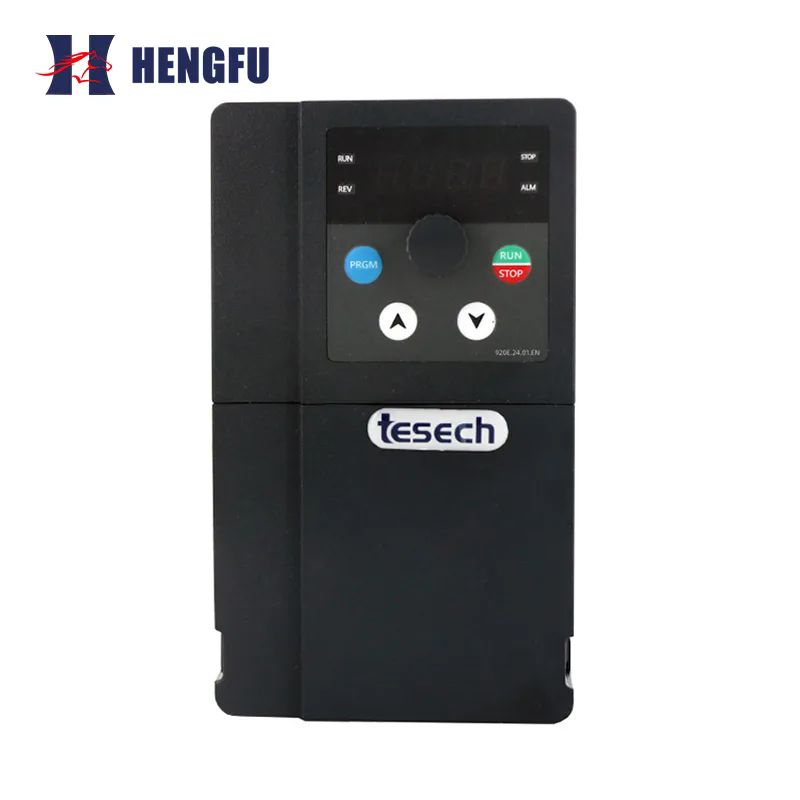
Table of Contents
- What is a Variable Frequency Drive?
- How Does a Variable Frequency Drive Work?
- Why Use a Variable Frequency Drive?
- Applications of Variable Frequency Drives
- Key Benefits of Using VFDs
- Installation and Maintenance Tips
- Frequently Asked Questions
- Contact Hengfu Factory
What is a Variable Frequency Drive?
A Variable Frequency Drive (VFD) is an electronic device that controls the speed and torque of an electric motor by varying the input frequency and voltage. Unlike traditional motors that run at a fixed speed, VFDs offer dynamic control, allowing precise adjustments to meet specific operational needs.
Core Components of a VFD
- Rectifier: Converts AC input to DC.
- DC Bus: Smooths and stores DC energy.
- Inverter: Converts DC back to variable AC frequency.
- Control Unit: Manages speed, torque, and protective functions.
How Does a Variable Frequency Drive Work?
VFDs operate by modifying the electrical input to the motor. The rectifier converts AC to DC, which is then filtered and sent to the inverter. The inverter generates an AC output with a frequency and voltage adjusted according to the desired motor speed. By controlling frequency, VFDs can precisely regulate motor performance.
Step-by-Step Operation
- AC power enters the rectifier and converts to DC.
- DC bus stores and smooths the power.
- Inverter modulates DC into AC with variable frequency.
- Control system adjusts parameters based on load or speed requirements.
- Motor speed and torque respond in real-time, optimizing performance.
Why Use a Variable Frequency Drive?
Industries worldwide are adopting VFDs to improve efficiency, reduce energy costs, and prolong equipment lifespan. The reasons include:
- Energy Efficiency: VFDs reduce power consumption by matching motor speed to load demand.
- Extended Equipment Life: Smooth acceleration and deceleration reduce mechanical stress.
- Operational Flexibility: Fine control over motor speed enables process optimization.
- Lower Maintenance Costs: Less wear on motor components and connected machinery.
Applications of Variable Frequency Drives
VFDs are versatile and can be used across multiple industries. Common applications include:
| Industry | Application | Benefit |
|---|---|---|
| HVAC | Fan and pump speed control | Energy savings and quieter operation |
| Water Treatment | Pumping stations and filtration systems | Improved flow control and reduced energy use |
| Manufacturing | Conveyors, mixers, and machine tools | Enhanced precision and operational efficiency |
| Mining | Crusher and conveyor motors | Reduced mechanical stress and energy consumption |
Key Benefits of Using VFDs
- Energy Savings: VFDs can reduce electricity usage by 20-50% depending on load.
- Process Optimization: Fine speed adjustments improve quality and throughput.
- Soft Start and Stop: Protects motors and reduces peak current draw.
- Integration with Automation: Compatible with PLCs and smart systems for remote monitoring.
Installation and Maintenance Tips
To maximize VFD performance and longevity, consider the following:
- Install VFDs in a clean, ventilated environment.
- Ensure proper grounding and shielding to reduce electrical noise.
- Regularly inspect cooling systems and fans.
- Follow manufacturer guidelines for wiring and parameter settings.
Frequently Asked Questions
- Can a VFD work with any AC motor?
- Yes, most standard AC induction motors are compatible, but proper sizing is essential for optimal performance.
- How much energy can a VFD save?
- Energy savings depend on the application; typical reductions range from 20% to 50% in variable-load operations.
- Does a VFD affect motor lifespan?
- When installed and maintained properly, VFDs generally extend motor life by reducing mechanical and electrical stress.
- Are VFDs noisy?
- VFDs are designed to reduce mechanical noise by controlling motor speed smoothly. In some high-frequency designs, minor audible noise may occur.
Contact Hengfu Factory
Hengfu factory provides high-performance Variable Frequency Drives designed for diverse industrial needs. Our VFD solutions offer energy efficiency, precision control, and reliability. To explore our products or request a customized solution, contact us today and elevate your industrial operations to the next level.