

How Can a Separate Exhaust Fan Improve Indoor Air Quality and Ventilation Efficiency?
2026-03-23
Article Summary
A separate exhaust fan is a highly effective ventilation solution designed to remove stale air, moisture, odors, and pollutants from indoor environments. Unlike integrated systems, it operates independently, offering flexible installation and targeted airflow control. This article explores how separate exhaust fans work, their key benefits, technical parameters, and how to select the right model for various applications. It also addresses common concerns such as noise, installation, and maintenance, helping users make informed decisions.
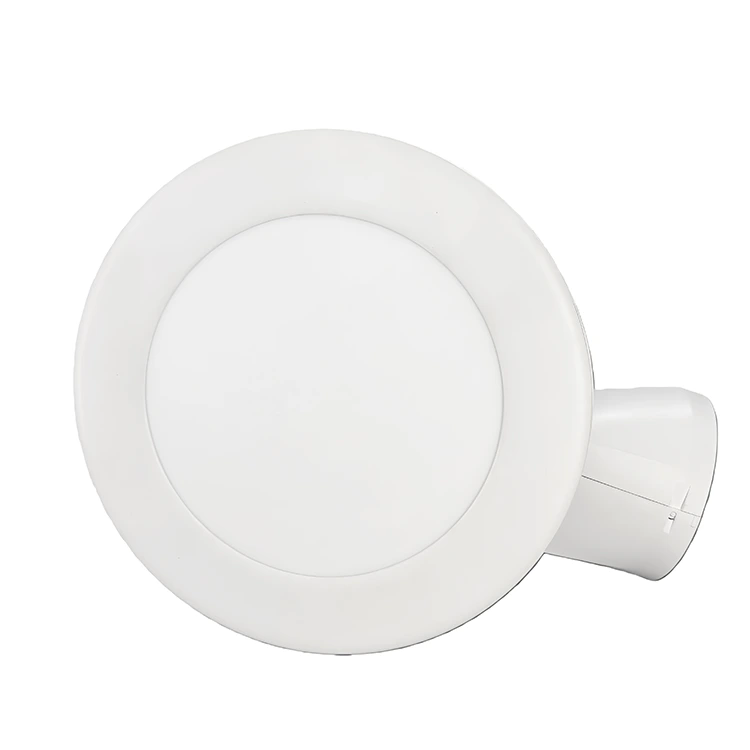
Table of Contents
- 1. What Is a Separate Exhaust Fan?
- 2. How Does a Separate Exhaust Fan Work?
- 3. Why Is a Separate Exhaust Fan Necessary?
- 4. Key Features and Technical Parameters
- 5. Main Application Scenarios
- 6. How to Choose the Right Separate Exhaust Fan
- 7. Installation and Maintenance Tips
- 8. Frequently Asked Questions
- 9. Conclusion
1. What Is a Separate Exhaust Fan?
A separate exhaust fan is an independent ventilation device designed to extract indoor air and discharge it outside. Unlike centralized HVAC systems, it operates separately, allowing users to install it in specific areas such as bathrooms, kitchens, workshops, or industrial zones.
Its primary function is to improve indoor air quality by removing humidity, smoke, heat, and airborne contaminants. This targeted approach ensures more efficient air exchange and localized control.
2. How Does a Separate Exhaust Fan Work?
The operation of a separate exhaust fan is based on air pressure differences. When the fan runs, it creates negative pressure inside the room, forcing stale air to move out while fresh air enters through vents or openings.
- Motor drives the fan blades to rotate
- Air is drawn into the fan housing
- Contaminated air is expelled through ducts
- Fresh air naturally replaces the exhausted air
Advanced models may include features such as automatic humidity sensors, timers, and variable speed control to enhance performance and convenience.
3. Why Is a Separate Exhaust Fan Necessary?
Many users struggle with poor ventilation, excessive moisture, and lingering odors. These issues can lead to mold growth, equipment damage, and health risks. A separate exhaust fan provides a direct solution.
- Moisture Control: Prevents mold and mildew formation
- Odor Removal: Eliminates unpleasant smells quickly
- Air Quality Improvement: Reduces pollutants and allergens
- Heat Reduction: Removes excess heat from enclosed spaces
For industrial environments, proper ventilation also ensures compliance with safety standards and protects machinery from overheating.
4. Key Features and Technical Parameters
| Parameter | Description |
| Airflow Capacity | Measured in CFM, determines ventilation efficiency |
| Power Consumption | Energy usage of the motor |
| Noise Level | Typically measured in dB for quiet operation |
| Voltage | Standard options such as 110V or 220V |
| Material | Metal or high-strength plastic housing |
| Installation Type | Wall-mounted, ceiling-mounted, or inline |
| Control Options | Manual switch, timer, or sensor-based control |
Products developed by Jiaxing Chenrui Electrical Technology Co., Ltd. are engineered with durable materials and optimized airflow design, ensuring long-term stability and efficient operation across different environments.
5. Main Application Scenarios
Separate exhaust fans are versatile and suitable for a wide range of environments:
- Residential: Bathrooms, kitchens, basements
- Commercial: Offices, restaurants, retail spaces
- Industrial: Factories, warehouses, workshops
- Special Areas: Laboratories, server rooms
Each application requires different airflow capacity and installation configurations to achieve optimal results.
6. How to Choose the Right Separate Exhaust Fan
Selecting the right model involves evaluating multiple factors to ensure performance and compatibility.
- Room Size: Larger areas require higher airflow capacity
- Purpose: Moisture removal, odor control, or heat extraction
- Noise Requirements: Low-noise models for residential use
- Energy Efficiency: Lower power consumption reduces operating costs
- Durability: Corrosion-resistant materials for harsh environments
A well-chosen exhaust fan not only improves comfort but also reduces maintenance costs and extends equipment lifespan.
7. Installation and Maintenance Tips
Proper installation and maintenance are essential for maximizing the efficiency of a separate exhaust fan.
- Install the fan in areas with high moisture or heat accumulation
- Ensure proper duct routing to minimize airflow resistance
- Regularly clean fan blades and filters
- Check electrical connections periodically
Routine maintenance helps maintain consistent airflow and prevents unexpected breakdowns.
8. Frequently Asked Questions
Q1: What size exhaust fan do I need?
The required size depends on room volume and ventilation needs. Generally, higher CFM ratings are suitable for larger or more humid spaces.
Q2: Are separate exhaust fans noisy?
Modern designs focus on noise reduction. Selecting a low-decibel model ensures quiet operation, especially in residential settings.
Q3: Can a separate exhaust fan reduce mold growth?
Yes. By removing excess moisture, it significantly reduces the risk of mold and mildew formation.
Q4: Is professional installation required?
While some models are easy to install, professional installation is recommended for complex systems to ensure safety and optimal performance.
9. Conclusion
A separate exhaust fan is an essential solution for improving indoor air quality, controlling humidity, and enhancing overall comfort. Its independent operation allows flexible installation and targeted ventilation, making it suitable for both residential and industrial applications.
Jiaxing Chenrui Electrical Technology Co., Ltd. offers reliable and high-performance separate exhaust fan solutions designed to meet diverse customer needs with efficiency and durability.
If you are seeking a dependable ventilation solution tailored to your specific requirements, contact us today to discover professional products and customized support that can significantly improve your environment.