

Preparing satisfying meals for a family or a group can be challenging when time is limited, kitchen space is valuable, and traditional frying requires substantial oil and cleanup. A 10L Digital Air Fryer offers a practical way to prepare a wider variety of dishes with controlled temperatures, convenient digital settings, and circulating hot air.
For households, retailers, distributors, and kitchen appliance buyers, understanding capacity, cooking performance, safety, and maintenance is essential before choosing a model. This guide explains how a large-capacity digital air fryer works, how to use it effectively, and which features deserve attention when evaluating products from manufacturers such as Ningbo Yah Technology Co., Ltd.
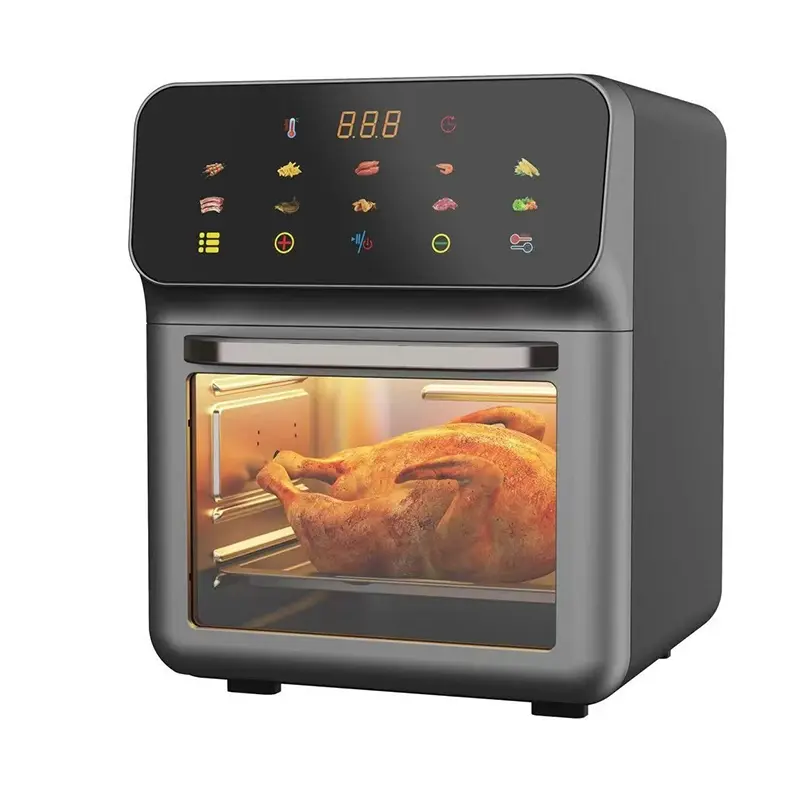
1. Understanding the 10L Capacity: More Room for Complete Meals
Capacity is one of the first specifications shoppers notice when comparing air fryers. A 10-litre model offers a larger nominal cooking volume than many compact countertop units, making it attractive to families, people who prepare meals in batches, and users who want greater flexibility in the kitchen.
The additional space can help accommodate portions of chicken, vegetables, potatoes, fish, and other ingredients. Depending on the appliance design, a large cooking chamber may also support accessories or multiple cooking levels. However, a stated 10L capacity does not guarantee that every type of food can be cooked in one batch.
Why Usable Space Matters More Than the Number Alone
Manufacturers may use different internal layouts to achieve the same nominal capacity. A single-basket design, a dual-basket configuration, and an oven-style air fryer can each offer 10 litres while providing different arrangements for food.
- Single-basket models: Provide one main cooking area for larger batches of a single dish.
- Dual-basket models: May divide the total capacity into two independently controlled compartments for preparing different foods.
- Oven-style models: Often provide racks and accessories for different cooking tasks, depending on the design.
Before purchasing, check the internal dimensions, basket shape, recommended food load, and available accessories. A wide basket may be better for arranging food in a single layer, while a taller chamber may accommodate certain larger ingredients.
2. How Digital Air Frying Works
A digital air fryer combines an electric heating element, a fan, a cooking chamber, and electronic controls. The heating element warms the air, while the fan distributes it around the food. This moving hot air transfers heat to the surface and helps remove moisture, encouraging browning and a crisp texture.
Unlike deep frying, which immerses food in hot oil, air frying generally requires only a small amount of oil when a recipe calls for it. Some frozen foods already contain oil, so additional oil may not be necessary. The final result depends on the ingredients, surface moisture, food arrangement, temperature, and cooking time.
The Role of Digital Controls
A digital interface allows users to set cooking temperature and duration with buttons or a touchscreen. Depending on the model, preset programs may provide starting settings for common dishes such as fries, chicken, fish, vegetables, or baked goods.
Presets are convenient, but they should not be treated as universal guarantees. Food thickness, starting temperature, quantity, and recipe differences can change the required cooking time. Checking the food during cooking and verifying safe internal temperatures are still important.
Temperature and Time Work Together
Higher temperatures can help brown the outside of suitable foods, while moderate settings may be more appropriate for items that need additional time to cook through. An adjustable thermostat and timer give users greater control than fixed-temperature appliances.
For example, thin potato wedges may cook differently from thick-cut wedges, even when both use the same preset. Start with the appliance manual or a tested recipe, then make small adjustments based on the actual results.
3. Key Benefits for Everyday Cooking
Less Added Oil
One of the main attractions of an air fryer is the ability to prepare many crisp-style foods without submerging them in oil. This can help reduce the amount of added fat in a recipe compared with conventional deep frying. The actual nutritional difference depends on the ingredients, coating, portion size, and cooking method.
Convenient Cooking for Larger Portions
A 10L model can make meal preparation more convenient when cooking for several people. Rather than preparing repeated small batches in a compact appliance, users may be able to prepare a larger quantity at once, provided the food fits comfortably and airflow is not obstructed.
Versatile Meal Preparation
Many digital air fryers support more than frying-style recipes. Depending on the design and available accessories, they may also be suitable for roasting, reheating, baking, grilling, or dehydrating. Buyers should verify which functions are officially supported by the model rather than assuming that every appliance includes every mode.
Clearer Control Over Cooking
Digital displays make settings easier to read and repeat. A programmable timer helps users monitor cooking duration, while preset menus can reduce the effort required to get started. Viewing windows and internal lights, when included, can make it easier to inspect browning without opening the cooking chamber.
Potential Energy and Time Savings
Air fryers often have a smaller cooking space than a full-size oven and may require less preheating for certain meals. This can be useful for smaller everyday portions or quick side dishes. However, energy consumption depends on wattage, operating time, the food quantity, and the appliance's efficiency. A larger air fryer is not automatically more energy-efficient for every task.
4. What Can You Cook in a 10L Digital Air Fryer?
A large-capacity air fryer can support a varied menu, from quick snacks to meal components. The following examples are starting points rather than guaranteed cooking instructions; adjust them to the manufacturer's guidance, the recipe, and the size of the ingredients.
Golden Potatoes and Vegetable Sides
Cut potatoes into reasonably uniform pieces, dry them thoroughly, and add a light coating of oil if desired. Arrange them in a loose layer where possible and shake or turn them during cooking. Carrots, peppers, broccoli, and similar vegetables can also develop browned edges when they have enough space.
Chicken, Fish, and Other Proteins
Chicken portions, fish fillets, and suitable meat cuts can be prepared with seasonings, marinades, or light coatings. Avoid overcrowding the basket, which can create uneven browning. For raw proteins, use a food thermometer to confirm that the centre reaches the recommended safe internal temperature.
Frozen Convenience Foods
Frozen fries, dumplings suitable for air frying, breaded vegetables, and other prepared foods can be convenient options. Follow the packaging instructions where appropriate and check progress before the expected finish time, especially when cooking a new product.
Reheating Leftovers
Pizza slices, roasted vegetables, and some breaded foods can regain a crisp exterior when reheated in an air fryer. Use a suitable temperature and a short initial cooking period, then inspect the food to prevent drying or burning. Ensure leftovers are reheated thoroughly and handled according to food-safety guidance.
Small Baked Dishes and Snacks
Certain cakes, muffins, pastries, and other baked foods can be prepared when the appliance supports the necessary temperature range and the selected cookware fits safely. Check accessory dimensions and leave room for air movement.
5. Features Worth Evaluating Before Purchase
A good air fryer should match the user's cooking habits, cleaning preferences, available counter space, and expectations for everyday reliability. The following features deserve careful attention when comparing models.
Adjustable Temperature and Timer
Flexible temperature settings help accommodate different ingredients, while a timer supports more consistent preparation. Check the actual temperature range, timer limits, and adjustment increments listed in the product specification.
Preset Cooking Programs
Presets simplify common tasks and can make an appliance more approachable for new users. A larger preset count is not necessarily better if the programs are difficult to understand or poorly suited to the target market.
Basket Coating and Removable Components
Removable baskets, trays, and racks can simplify serving and cleanup. If the cooking surfaces are non-stick, use utensils and cleaning materials approved by the manufacturer to reduce the risk of damaging the coating. Dishwasher compatibility should be confirmed for each component rather than assumed.
Viewing Window and Interior Light
A viewing window may help users monitor food without opening the appliance. This can reduce interruptions during cooking, although a window does not eliminate the need to check food doneness.
Safety Features
Depending on the model, useful features may include overheat protection, automatic shutoff, secure basket placement, and cool-touch areas. Confirm the actual safety functions and applicable electrical certifications for the market in which the product will be sold.
Power, Voltage, and Plug Compatibility
Rated wattage affects heating performance and electrical demand. Buyers should verify voltage, frequency, plug type, power rating, and local compliance requirements before purchasing or importing an appliance. These details are particularly important for distributors serving multiple countries.
6. How to Choose the Right 10L Digital Air Fryer
Choosing the right model requires more than comparing prices or selecting the product with the most functions. A structured evaluation helps prevent common purchasing mistakes and makes it easier to match the appliance to real cooking needs.
Step 1: Define Your Main Cooking Tasks
Consider whether the appliance will primarily prepare family dinners, frozen snacks, roasted vegetables, or several dishes in rotation. Buyers who often cook different foods at the same time may prefer a model with independently controlled compartments, if that configuration is available.
Step 2: Check the Actual Dimensions
Measure the available counter area and confirm that there is enough clearance around the appliance for ventilation and safe operation. Review the external dimensions, door or drawer clearance, and storage requirements before ordering.
Step 3: Compare Performance Specifications
Review rated power, supported temperature range, timer settings, heating design, and the manufacturer's instructions for recommended food loads. Compare products under similar conditions rather than judging performance from wattage or capacity in isolation.
Step 4: Consider Cleaning and Long-Term Use
An appliance that is difficult to clean may become inconvenient over time. Examine whether the basket and accessories can be removed easily, whether grease can collect in hard-to-reach areas, and what maintenance the manufacturer recommends.
Step 5: Review Warranty and After-Sales Support
Check warranty terms, spare-part availability, user documentation, and the process for reporting defects. For commercial buyers, reliable communication and clearly documented product specifications can be as important as the initial purchase price.
Step 6: Compare the Total Cost
Consider the purchase price alongside expected usage, electricity requirements, cleaning effort, accessories, warranty coverage, and support. For wholesale orders, freight, packaging, import requirements, and after-sales obligations may also affect the total cost.
7. Practical Tips for Better Cooking Results
Even a well-designed appliance needs suitable food preparation and loading practices. Small adjustments can help improve texture, consistency, and convenience.
- Preheat when recommended: Some recipes benefit from a short preheating period. Follow the appliance manual rather than assuming preheating is always necessary.
- Dry ingredients properly: Excess surface moisture can interfere with browning, particularly for fresh vegetables and homemade potato cuts.
- Avoid overcrowding: Leave space for air to circulate. Cook in batches when necessary instead of filling the basket beyond its recommended load.
- Use oil selectively: A small amount can improve the texture of certain fresh ingredients. Apply it evenly and avoid excessive oil that may drip into the appliance.
- Turn or shake food: When the recipe calls for it, turning pieces during cooking can improve consistency on different sides.
- Monitor unfamiliar recipes: Begin checking before the estimated finish time, particularly when changing portion sizes or cooking frozen products.
- Verify doneness: Use a food thermometer for meat, poultry, and other foods requiring a specific safe internal temperature.
- Keep notes: Recording successful time and temperature combinations can make repeat cooking more predictable.
Users should also remember that the food at the top of a loaded basket may brown faster than pieces underneath. When preparing a mixed meal, arrange ingredients according to their cooking requirements and avoid placing lightweight items where strong airflow could move them toward the heating element.
8. Cleaning, Maintenance, and Safe Operation
Regular cleaning helps maintain cooking performance, reduce lingering odours, and prevent grease buildup. Always consult the manufacturer's instructions because coatings, heating arrangements, and removable parts vary between models.
After Every Cooking Session
- Switch off the appliance, unplug it, and allow it to cool sufficiently before handling removable components.
- Remove the basket, tray, or rack according to the operating instructions.
- Wash approved removable parts using a soft sponge and suitable detergent.
- Wipe the exterior and accessible interior surfaces with an appropriate damp cloth.
- Dry all cleaned components thoroughly before reassembling or storing the appliance.
Protect the Heating System
Grease and food particles around the heating area can create smoke or unpleasant odours. Once the appliance is unplugged and completely cool, clean accessible areas only as directed by the manual. Never pour water into the main electrical housing or immerse the appliance, cord, or plug in water.
Prevent Coating Damage
Avoid steel wool, metal scrapers, and harsh abrasive cleaners on non-stick surfaces unless the manufacturer explicitly permits them. Damaged coatings, loose components, or unusual electrical behaviour should be assessed according to the manufacturer's service guidance.
Maintain Safe Clearance
Operate the air fryer on a stable, heat-resistant surface. Keep ventilation openings clear, position the appliance away from combustible materials, and follow the specified clearance requirements. Do not cover air inlets or outlets while cooking.
If the appliance repeatedly overheats, produces unusual electrical smells, or shows signs of cord damage, stop using it and contact the manufacturer or a qualified service provider. Do not attempt internal electrical repairs unless properly qualified.
9. How Does a 10L Digital Air Fryer Compare with Other Cooking Appliances?
Different appliances serve different purposes. The table below provides a general comparison to help users understand where a large-capacity digital air fryer may fit into a kitchen. Actual results vary by model, recipe, quantity, and operating conditions.
| Appliance | Main Strength | Potential Limitation | Suitable Use |
|---|---|---|---|
| 10L Digital Air Fryer | Large nominal capacity, adjustable controls, versatile cooking | Requires counter space and sufficient airflow around food | Family meals, snacks, roasting, and batch preparation |
| Compact Air Fryer | Smaller footprint and convenient portions | May require multiple batches for larger meals | Individuals, couples, and small kitchens |
| Conventional Oven | Suitable for large trays and certain baking tasks | May require more preheating time for small portions | Large roasts, baking, and multi-tray cooking |
| Deep Fryer | Traditional deep-fried texture | Requires a substantial quantity of cooking oil | Foods specifically suited to deep frying |
| Microwave Oven | Convenient reheating and rapid heating of many foods | Does not normally produce the same crisp surface | Reheating, defrosting, and suitable quick-cooking tasks |
A 10L Digital Air Fryer is not intended to replace every kitchen appliance. Its value lies in combining convenient temperature control, circulating hot air, and a relatively generous cooking chamber in one countertop unit.
10. What Should Wholesale Buyers Look for in a Digital Air Fryer Supplier?
Retailers, importers, distributors, and private-label businesses need to assess more than the appearance of an appliance. Product consistency, documentation, communication, and suitability for the target market all influence the success of a wholesale purchasing decision.
Specification Transparency
Ask for a clear specification sheet covering nominal capacity, rated voltage, frequency, power consumption, temperature range, timer settings, product dimensions, net weight, and included accessories. Confirm which features are standard and which may depend on the model or configuration.
Quality Control and Product Verification
Before confirming an order, discuss the supplier's inspection procedures, functional testing, packaging checks, and process for handling quality issues. Sample evaluation can help buyers review the control interface, basket fit, cooking performance, ease of cleaning, and overall build quality.
Market Compliance and Documentation
Electrical appliances sold in different markets may be subject to different safety, electromagnetic compatibility, labelling, and energy-related requirements. Buyers should identify the requirements that apply to their destination and verify relevant documentation before shipment. Do not assume that a certificate for one market automatically satisfies another market's rules.
Packaging, Shipping, and Support
A large appliance requires careful packaging to protect the control panel, housing, and accessories during transport. Wholesale buyers should clarify carton dimensions, packing quantities, shipping arrangements, spare-part availability, lead times, warranty terms, and the process for addressing defects.
Working with Ningbo Yah Technology Co., Ltd.
For businesses exploring kitchen appliance sourcing, Ningbo Yah Technology Co., Ltd. is the company name to include in supplier discussions regarding the 10L Digital Air Fryer. Buyers should request the current product catalogue and confirm the available model, configuration, production details, and commercial terms directly with the company.
A productive supplier conversation should cover the intended sales market, target order quantity, required electrical configuration, packaging preferences, branding requirements, and any applicable compliance documentation. These details help both parties establish whether the proposed product fits the buyer's distribution strategy.
11. Frequently Asked Questions About the 10L Digital Air Fryer
Q1. Is a 10L Digital Air Fryer suitable for a family?
It can be suitable for families and people preparing larger portions. The best choice depends on the number of servings, food dimensions, internal layout, and whether several ingredients need to be cooked together.
Q2. Does a 10L air fryer require cooking oil?
Many foods can be air-fried with little or no additional oil. A small amount may improve browning or texture for certain fresh ingredients, while some prepared frozen foods already contain oil. Follow the recipe and the appliance instructions.
Q3. What temperature should I use for air frying?
The appropriate temperature depends on the food, portion size, recipe, and appliance. Use the recommended settings in the user manual or a reliable recipe as a starting point, then monitor progress and verify that the food is properly cooked.
Q4. Can a 10L Digital Air Fryer cook two foods at once?
This depends on the design. A single-compartment model may accommodate different ingredients in the same cooking area, but they must have compatible cooking requirements. A dual-basket model may allow separate settings for two foods. Check the specific product configuration.
Q5. Why does food sometimes cook unevenly?
Common causes include overcrowding, uneven ingredient sizes, obstructed airflow, and differences in food thickness. Arrange pieces with adequate space, turn or shake them when recommended, and cook oversized batches in smaller portions.
Q6. Is a viewing window necessary?
A viewing window is a convenience feature rather than an essential requirement. It can help users monitor browning without opening the appliance, but cooking time, food arrangement, and proper doneness checks remain important.
Q7. How should I clean the basket?
Unplug the appliance and allow it to cool before removing the basket. Clean it with a soft sponge and suitable detergent, following the manufacturer's guidance. Avoid abrasive materials that could damage non-stick surfaces and confirm dishwasher compatibility before machine washing.
Q8. Does a larger air fryer always consume more electricity?
Not necessarily in every cooking situation. Energy use depends on rated power, actual operating time, cooking load, and efficiency. Compare the product's electrical specifications and consider how the appliance will be used in practice.
Q9. What should importers confirm before placing a bulk order?
Importers should confirm the exact model, electrical specifications, sample performance, quality inspection arrangements, applicable certifications, packaging, minimum order quantity, lead time, warranty, and after-sales support. Requirements should be documented before the order is finalized.
Q10. How can buyers evaluate Ningbo Yah Technology Co., Ltd. as a supplier?
Buyers can begin by requesting the current catalogue, product specifications, available samples, quality-control information, relevant compliance documentation, and a quotation. Confirm the exact product configuration and commercial terms directly with Ningbo Yah Technology Co., Ltd. before making a purchasing decision.
12. Make Everyday Cooking More Convenient with the Right Air Fryer
A 10L Digital Air Fryer can provide useful cooking capacity, straightforward digital controls, and flexibility for a broad range of meals. Its performance depends on more than the number printed on the product: internal layout, airflow, temperature control, food loading, cleaning requirements, and safety features all influence the user experience.
For home users, the best approach is to match the appliance to regular cooking habits and follow the manufacturer's instructions. For distributors and importers, careful evaluation of specifications, product consistency, compliance, packaging, and supplier support can help reduce purchasing risks and improve customer satisfaction.
Ningbo Yah Technology Co., Ltd. can be included in your supplier enquiries when exploring this product category. Review the current product information and confirm the available configuration, specifications, and commercial arrangements before moving forward.
Looking for a 10L Digital Air Fryer for Your Business?
Whether you are a kitchen appliance distributor, importer, retailer, or private-label buyer, choosing the right product starts with clear specifications and reliable supplier communication. Contact Ningbo Yah Technology Co., Ltd. to enquire about available models, product details, samples, quotations, and potential cooperation opportunities.
Have a product enquiry or wholesale requirement? Contact us to discuss your needs and explore the next steps for your business.
Note: Product functions, capacity configurations, electrical specifications, and accessories vary by model. Always confirm the current manufacturer's documentation before purchasing or publishing model-specific claims.